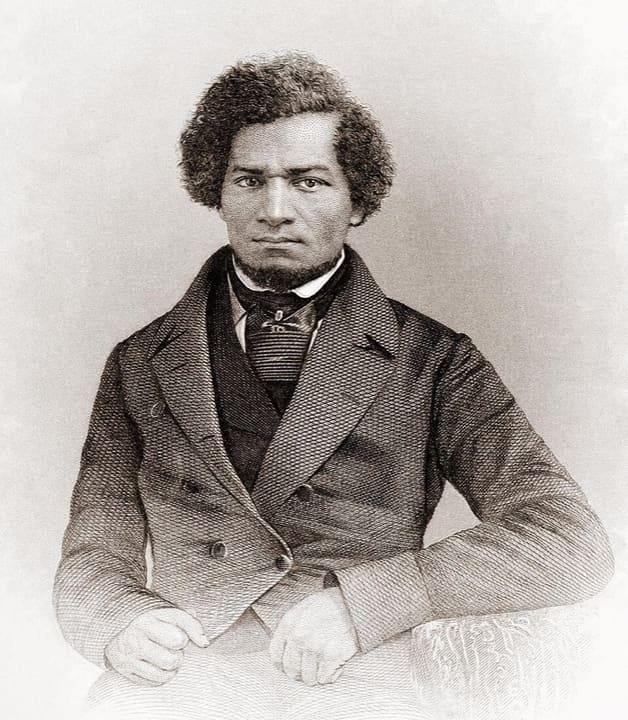
Frederick Douglass (c. 1818-1895) was an American abolitionist, orator, editor, autobiographer, reformer, and statesman who escaped slavery in Maryland and became one of the nineteenth century's most powerful public voices. His autobiographies and speeches joined personal testimony to constitutional, biblical, and moral argument against slavery and racial prejudice.
This Douglass entry pairs the 1845 Narrative of the Life of Frederick Douglass with the 1852 speech commonly known as What to the Slave Is the Fourth of July? The Narrative tells Douglass's movement from enslaved childhood in Maryland through violence, literacy, skilled labor, resistance, escape, and public abolitionist identity.