Heroes, villains and complicated figures from the books in the library, each with a short sketch, the virtues or vices the story shows in them, a line from the work itself and a link to the book.
Quotations are taken from the library's own texts or from verified quotations in each work's record. Pictures are public-domain illustrations and artworks; where none is listed, the character has no picture yet.
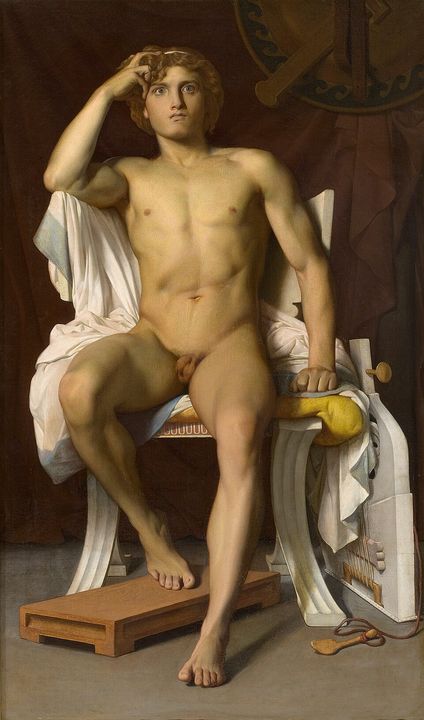
Achilles: François-Léon Benouville, 1847. Source · Public domain
The greatest warrior of the Greeks withdraws from the war at Troy after a quarrel with Agamemnon. The death of his friend Patroclus drives him back to battle and to a terrible revenge on Hector, yet the poem ends with him weeping alongside Priam and returning Hector's body.
Virtues and vices: unmatched valor; consuming anger
mightyproudwrathfulgrieving
“Sing, O goddess, the anger of Achilles son of Peleus, that brought countless ills upon the Achaeans”
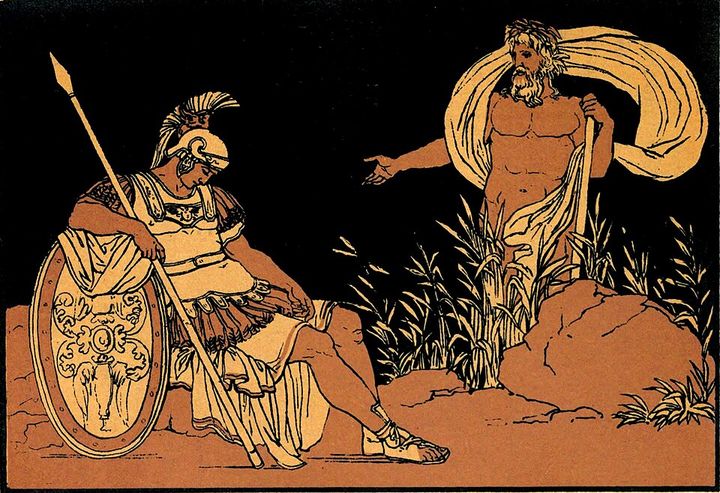
Aeneas and the Tiber: Bartolomeo Pinelli, before 1835. Source · Public domain
A Trojan prince escapes the burning city carrying his father and leading his son. Driven by fate and pursued by Juno's anger, he leaves Dido in Carthage, visits the underworld and fights in Italy to found the line that will build Rome.
Virtues: piety and duty to family, gods and people
dutifulsteadfastreverentweary
“Arms, and the man I sing, who, forc’d by fate, And haughty Juno’s unrelenting hate, Expell’d and exil’d, left the Trojan shore”
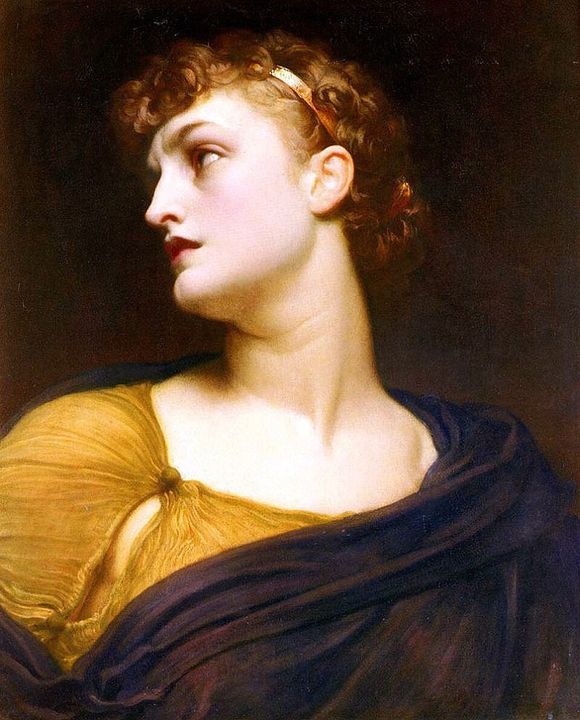
Antigone: Frederic Leighton, 1882. Source · Public domain
A daughter of Oedipus defies King Creon's order that her brother Polynices lie unburied. She buries him herself, appeals to the unwritten laws of the gods, and accepts the penalty.
Virtues: fidelity to family and divine law
resoluteloyalfearlessdevout
“The immutable unwritten laws of Heaven. They were not born today nor yesterday; They die not; and none knoweth whence they sprang”
Aslan is the great Lion and rightful King of Narnia. He returns to end the White Witch's long winter, gives himself up in Edmund's place at the Stone Table, rises again, and leads the battle that frees the land.
Atticus is a lawyer in Maycomb, Alabama, and the widowed father of Scout and Jem. He defends Tom Robinson, a Black man falsely accused of assault, and teaches his children to see things from other people's point of view.
Virtues: justice, courage and fatherly patience
faircalmpatientcourageous
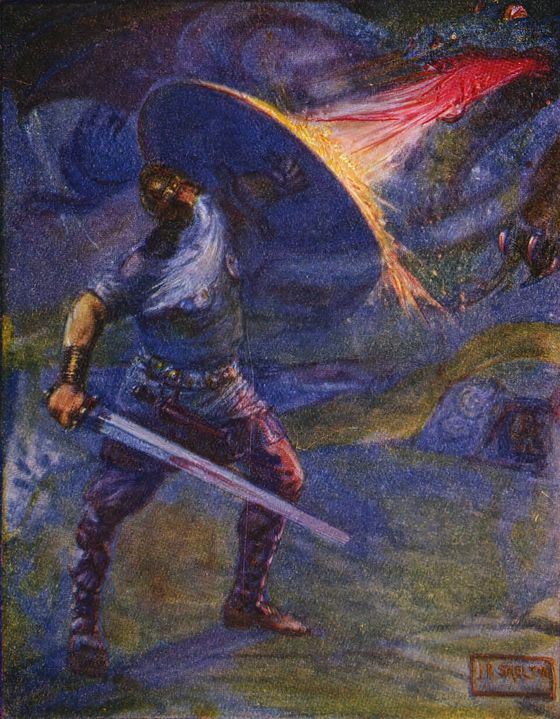
Beowulf: J. R. Skelton, 1908. Source · Public domain
A Geatish warrior crosses the sea to free King Hrothgar's hall from the monster Grendel, fighting him bare-handed, and then tracks Grendel's mother to her lair. Fifty years later, as king, he faces a dragon to protect his people.
Bilbo is a comfortable hobbit of Bag End hired by Gandalf and Thorin's dwarves as their burglar. On the road to the Lonely Mountain he finds a magic ring, outwits Gollum and the spiders, and gives up the Arkenstone to try to keep peace among the armies.
Virtues: courage that grows; peacemaking
homelyresourcefulmodestbrave
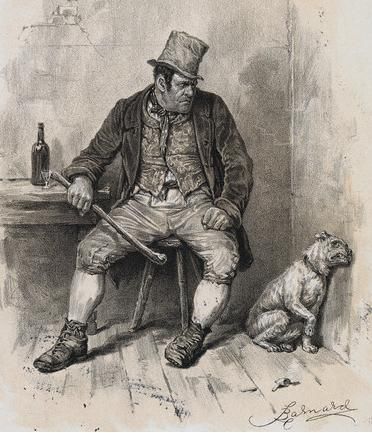
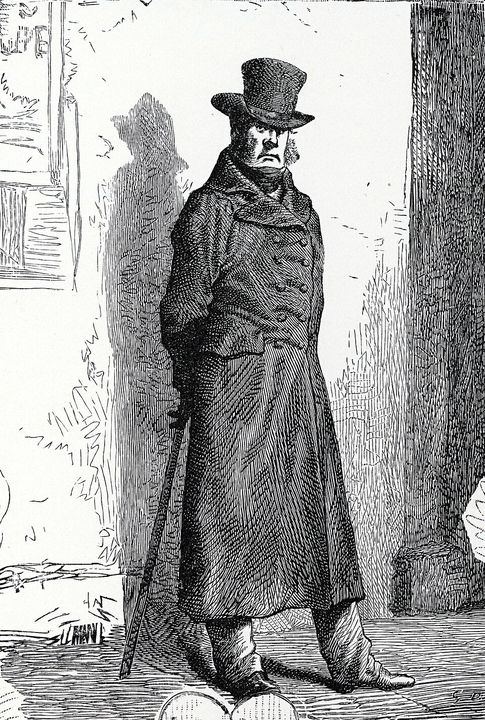
Bill Sikes: Fred Barnard, c. 1870. Source · Public domain
Sikes is a housebreaker in Fagin's London circle who forces Oliver to help in a burglary. Violent and suspicious, he turns on Nancy when he learns she has spoken to Rose Maylie, then flees across London, pursued by a crowd and his own conscience.
Vices: violence and suspicion
brutalsuspiciousfearlesshunted
“The man who growled out these words, was a stoutly-built fellow of about five-and-thirty, in a black velveteen coat”
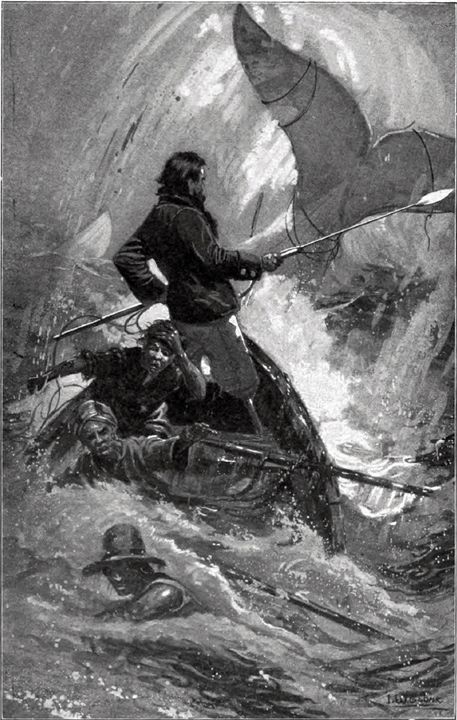
Moby-Dick, the final chase: I. W. Taber, 1902. Source · Public domain
Ahab is the captain of the Nantucket whaler Pequod, who lost a leg to the white whale Moby Dick. He binds his crew to his hunt for the whale, overriding Starbuck's objections, and pursues it to the end.
Virtues and vices: grandeur and resolve; consuming obsession
commandingobsessedeloquentdefiant
“Talk not to me of blasphemy, man; I’d strike the sun if it insulted me.”
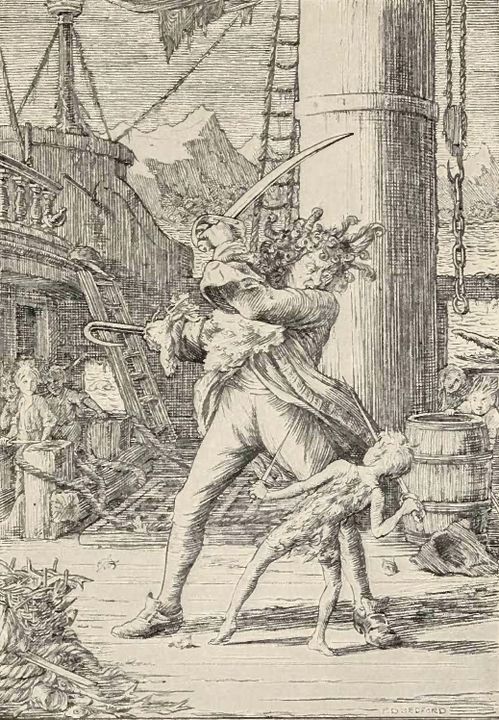
Captain Hook: F.D. Bedford, 1912. Source · Public domain
James Hook is captain of the pirate ship Jolly Roger and Peter Pan's sworn enemy, having lost his hand to Peter and the crocodile. Elegant in manner and vain about his good form, he plots against the Lost Boys and poisons Peter's medicine before their final duel.
Vices: pride and vengefulness; concern for good form
vainelegantvengefulfearful
““Proud and insolent youth,” said Hook, “prepare to meet thy doom.””
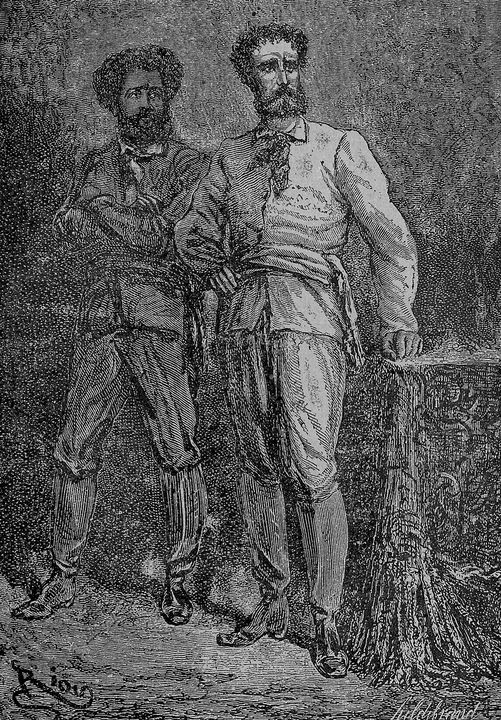
Captain Nemo: Édouard Riou (engraved by Hildibrand), 1871. Source · Public domain
Nemo is the mysterious commander of the submarine Nautilus who has cut himself off from land and nations. A scholar of the sea and a generous rescuer of a poor pearl diver, he is also driven by a private grief to sink a warship.
Virtues and vices: learning and compassion; vengeance
brilliantsolitaryproudgrieving
“I am not what you call a civilised man! I have done with society entirely, for reasons which I alone have the right of appreciating.”
Charlotte is a grey barn spider who befriends Wilbur, a pig destined for the smokehouse. She spins words into her web to convince the farm and the town that Wilbur is remarkable, and so saves his life before her own season ends.
A man burdened by a heavy load leaves the City of Destruction for the Celestial City. Along the way he loses his burden at the cross, fights Apollyon, escapes Doubting Castle and crosses the river at the journey's end.
Virtues: perseverance and faith
earnestperseveringfaithfulhonest
“I dreamed, and behold, I saw a man clothed with rags, standing in a certain place, with his face from his own house, a book in his hand, and a great burden upon his back.”
Dracula is an ancient Transylvanian nobleman and vampire who buys property in England. He imprisons Jonathan Harker, preys on Lucy Westenra and Mina Harker, and is pursued back to his castle by Van Helsing's band.
Vices: predatory will and cunning
courtlypredatoryancientcunning
“Welcome to my house! Enter freely and of your own will”
The new king of Thebes forbids burial of a rebel and condemns Antigone for disobeying. He holds firmly to civic order until the prophet Tiresias warns him, and his change of heart comes too late to save his son and wife.
Virtues and vices: concern for order; inflexible pride
sternproudlaw-mindedstubborn
“Whome’er the State Appoints must be obeyed in everything,”
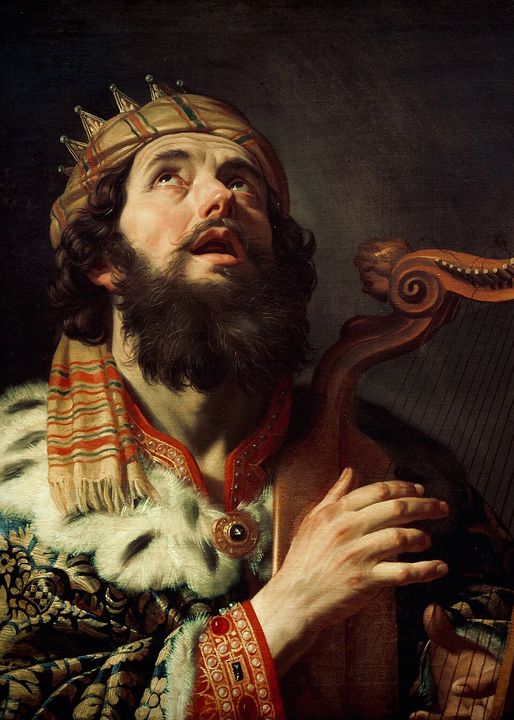
David: Gerard van Honthorst, 1622. Source · Public domain
A shepherd boy from Bethlehem volunteers to face the Philistine champion Goliath with a sling and five stones. He later becomes king of Israel, a psalmist and a father whose family troubles the books of Samuel record frankly.
Virtues: courage and trust in God
bravetrustingmusicalbold
“Thou comest to me with a sword, and with a spear, and with a shield: but I come to thee in the name of the LORD of hosts”
Don Quixote Complicated figure
Don Quixote · Grades 10–12 · Renaissance Early Modern
A country gentleman of La Mancha reads so many romances of chivalry that he sets out as a knight-errant with his squire Sancho Panza. He charges windmills and flocks of sheep, yet his courtesy and ideals win the affection of many he meets.
Virtues and vices: noble ideals; deluded judgment
idealisticchivalrousdeludedgenerous
“Fortune is arranging matters for us better than we could have shaped our desires ourselves, for look there, friend Sancho Panza, where thirty or more monstrous giants present themselves”
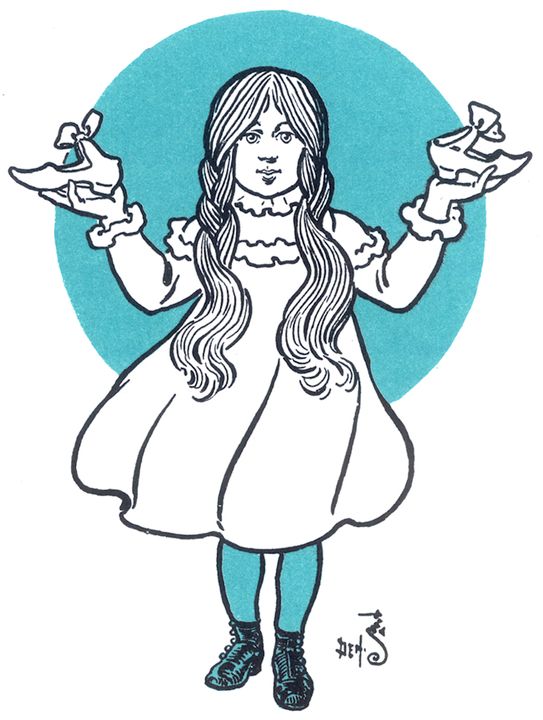
Dorothy Gale: W. W. Denslow, 1900. Source · Public domain
Dorothy is a girl from the Kansas prairie carried by a cyclone to the Land of Oz. Seeking a way home, she gathers the Scarecrow, the Tin Woodman and the Cowardly Lion along the Yellow Brick Road and keeps faith with each of them.
Virtues: courage, loyalty and love of home
bravekindsteadfastpractical
“There is no place like home.”
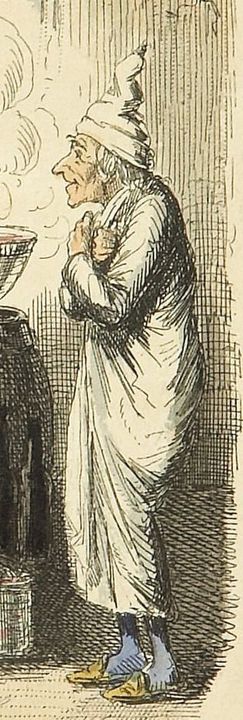
Ebenezer Scrooge: John Leech, 1843. Source · Public domain
Scrooge is a London money-lender who scorns Christmas and keeps his clerk Bob Cratchit on low wages. Visited by his late partner Marley and three spirits, he sees his past, present and possible future and wakes a changed and generous man.
Virtues and vices: avarice; repentance and generosity
miserlysharplonelyrepentant
“I will honour Christmas in my heart, and try to keep it all the year”
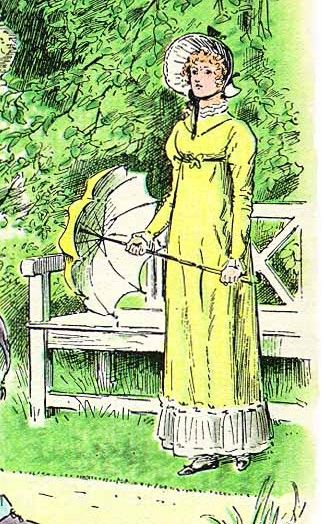
Elizabeth Bennet: C. E. Brock, 1895. Source · Public domain
Elizabeth is the second of five Bennet sisters, quick-witted and fond of a laugh. She refuses two proposals, including Mr. Darcy's first, and learns, as he does, to correct a judgment formed too quickly.
Virtues: wit and integrity; hasty judgment
wittyindependentloyalperceptive
“There is a stubbornness about me that never can bear to be frightened at the will of others. My courage always rises with every attempt to intimidate me.”
Frodo is the hobbit who inherits Bilbo's Ring and agrees to carry it to Mount Doom to be destroyed. With Sam beside him he crosses Middle-earth under its growing weight, showing pity to Gollum along the way.
Virtues: endurance and mercy
humbleenduringmercifulburdened
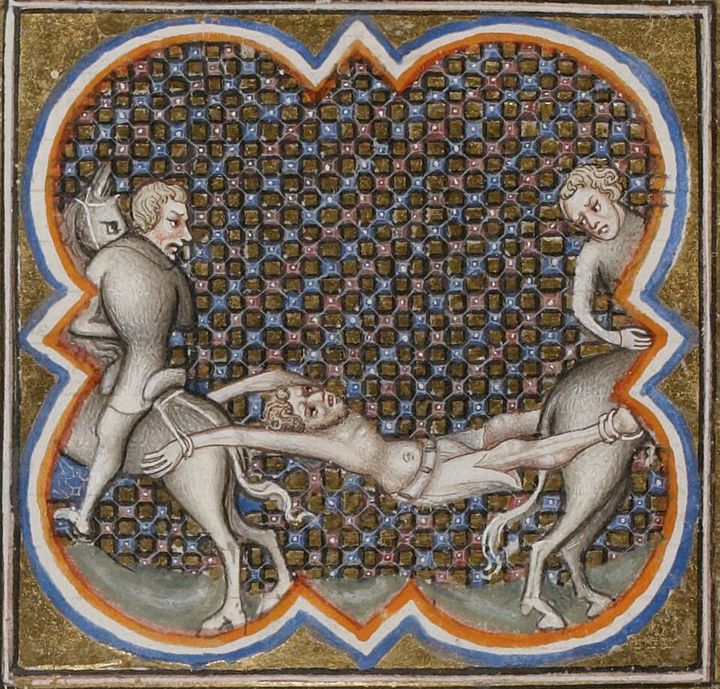
Ganelon in a medieval manuscript illumination, c. 1375–1380. Source · Public domain
Roland's stepfather, sent as envoy to the Saracen king, resents the appointment and arranges the ambush of the rear guard. He is tried before Charlemagne's barons and executed.
Vices: wounded pride turned to treachery
resentfulcraftyproudtreacherous
“Guenes came there, that wrought the treachery.”
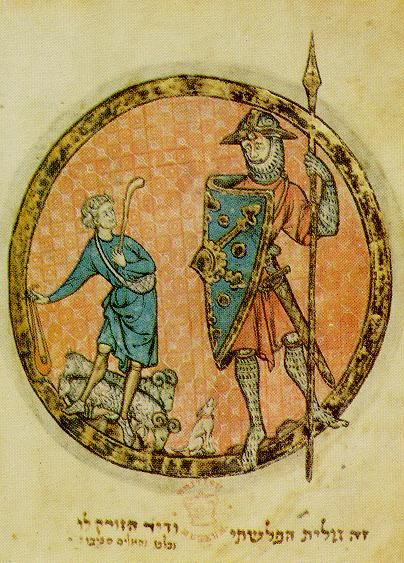
Goliath: Medieval Hebrew manuscript illuminator (unknown). Source · Public domain
A giant warrior of Gath who stands between the armies of the Philistines and Israel and challenges any Israelite to single combat for forty days. He is felled by David's sling stone.
Vices: strength and scorn
hugeboastfularmoredscornful
“I defy the armies of Israel this day; give me a man, that we may fight together.”
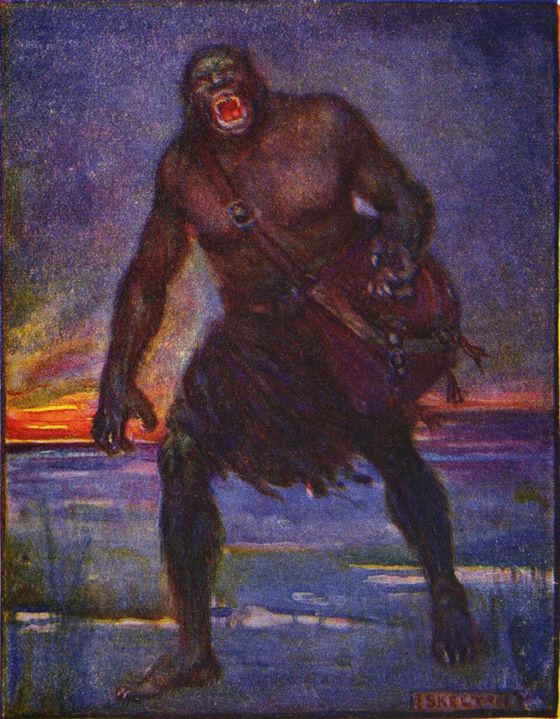
Grendel: Joseph Ratcliffe Skelton, 1908. Source · Public domain
A monster of the fens, described as a descendant of Cain, who raids the Danish hall Heorot by night for twelve years. He is mortally wounded when Beowulf tears off his arm.
The prince of Denmark learns from his father's ghost that his uncle Claudius murdered the king. He feigns madness, tests the king with a play and wrestles with doubt and grief before the final duel.
Virtues and vices: conscience and intellect; delay
Heathcliff is a foundling brought to Wuthering Heights by Mr. Earnshaw and raised alongside Catherine. Separated from her, he returns wealthy and spends years taking revenge on the Earnshaw and Linton families.
Virtues and vices: devoted love; vengeance
passionatebroodingvengefuldevoted
“Be with me always—take any form—drive me mad”
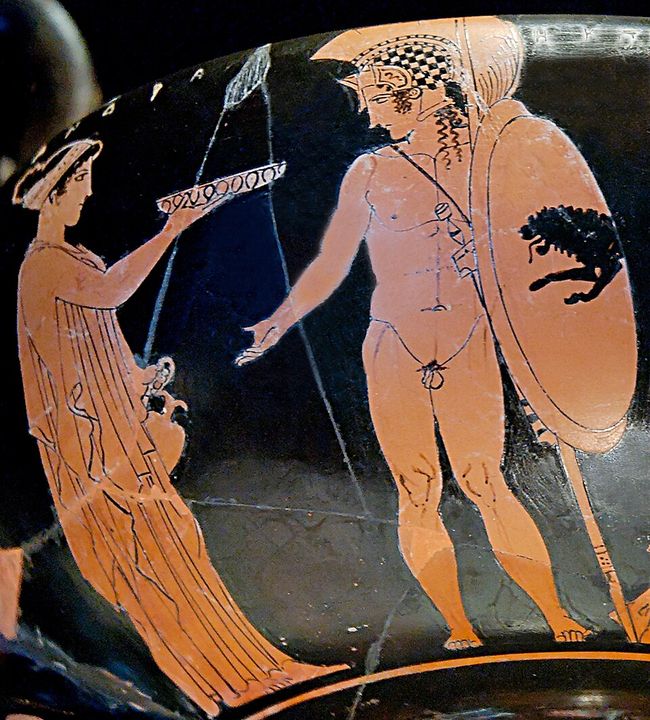
Hector and Cassandra on an ancient Greek vase (photo: Jastrow). Source · Public domain
The eldest son of King Priam leads the defense of Troy. He takes leave of his wife Andromache and infant son knowing the city may fall, and he dies facing Achilles before the walls.
Virtues: courage and devotion to family and city
dutifulbravedevotedhonorable
“with what face should I look upon the Trojans, men or women, if I shirked battle like a coward?”
Othello's ensign, passed over for promotion, works on his general's trust with false hints about Desdemona and Cassio. His schemes bring death to nearly everyone around him.
Jane is an orphan raised at Gateshead and Lowood who becomes governess at Thornfield Hall. She loves Mr. Rochester but leaves him when she learns he is already married, refuses St. John Rivers, and returns at last of her own free choice.
Virtues: integrity and self-respect
principledpassionateplain-spokenresilient
“I am no bird; and no net ensnares me; I am a free human being with an independent will, which I now exert to leave you.”
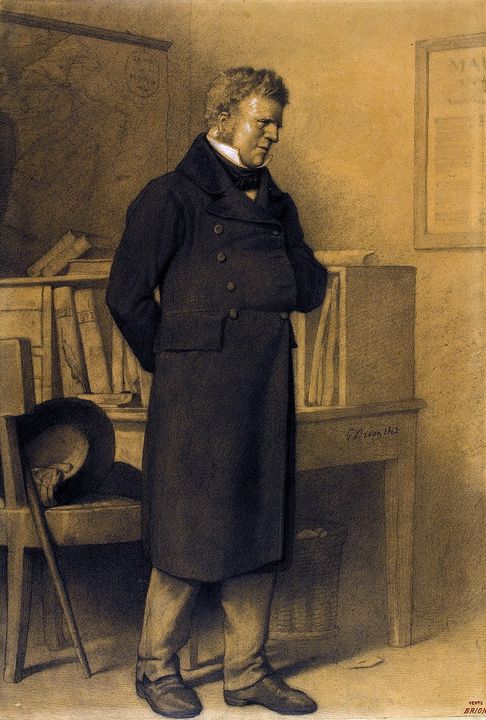
Javert: Gustave Brion, 1862. Source · Public domain
Javert is a police inspector who believes wholly in the law and pursues Valjean for decades. When Valjean spares his life at the barricade, Javert can no longer reconcile duty and mercy.
Virtues and vices: devotion to duty; inflexibility
dutifulrigidincorruptiblerelentless
“Javert’s ideal, was not to be human, to be grand, to be sublime; it was to be irreproachable.”
Jean Valjean: Gustave Brion, 1862. Source · Public domain
Valjean is a former convict who served nineteen years for stealing bread. Changed by the Bishop of Digne's mercy, he becomes a mayor and benefactor, raises the orphan Cosette, and spends his life repaying that gift while hunted by Javert.
Virtues: mercy and self-sacrifice
strongmercifulhumbleconscientious
“Jean Valjean, my brother, you no longer belong to evil, but to good. It is your soul that I buy from you; I withdraw it from black thoughts and the spirit of perdition, and I give it to God.”
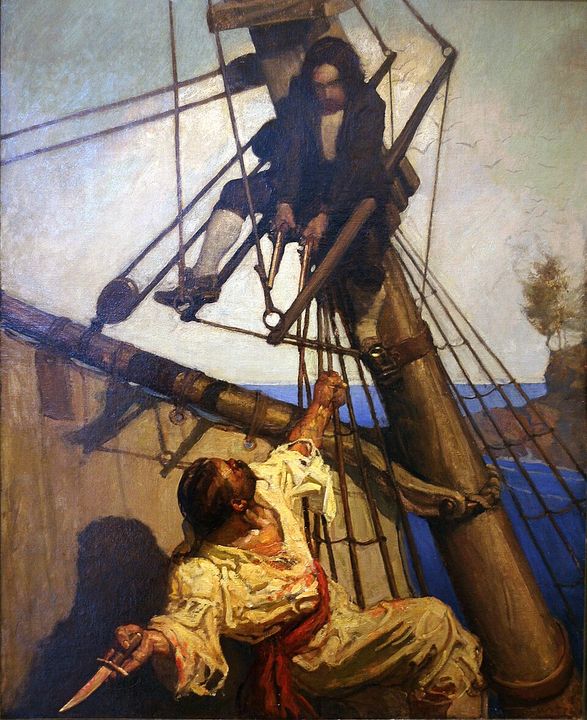
Jim Hawkins: N. C. Wyeth, 1911. Source · Public domain
Jim is the innkeeper's son who finds Billy Bones's treasure map and sails with Squire Trelawney and Dr. Livesey on the Hispaniola. By overhearing the mutineers, retaking the ship and keeping his word to his captors, he does much to bring the voyage home.
Virtues: courage and keeping his word; rashness
braveresourcefulhonestimpulsive
“I’ve had the top of this business from the first; I no more fear you than I fear a fly.”
The young English king, once the wild Prince Hal, leads his army into France. Walking disguised among his soldiers the night before Agincourt, he weighs a king's responsibility, then rallies his outnumbered men to victory.
Virtues: leadership and courage; the weight of command
eloquentresolutereflectivecommanding
“We few, we happy few, we band of brothers”
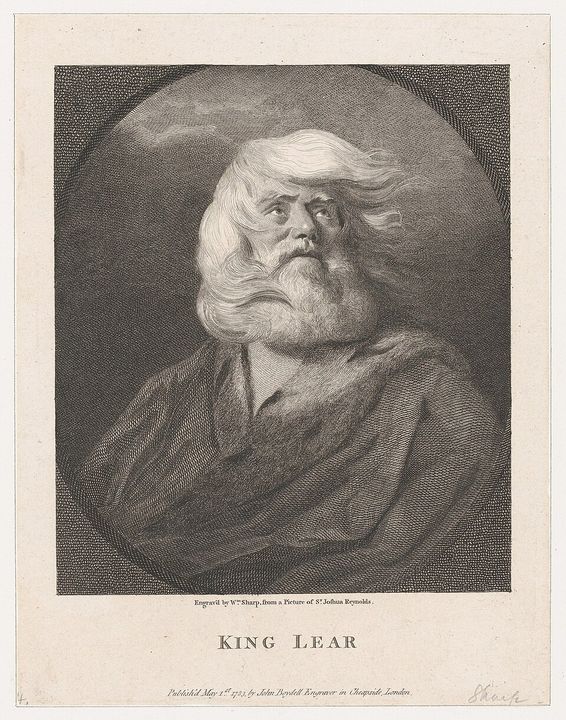
King Lear: engraving by William Sharp after Joshua Reynolds, Boydell Shakespeare Gallery, 1783. Source · CC0
King Lear Complicated figure
King Lear · Grades 11–12 · Renaissance Early Modern
An aging king divides Britain between the daughters who flatter him and banishes Cordelia, who will not. Turned out by Goneril and Regan, he rages on the heath, loses his wits and finds Cordelia again too late.
Virtues and vices: rashness and pride; hard-won humility
proudrashsufferingrepentant
“I am a man More sinn’d against than sinning.”
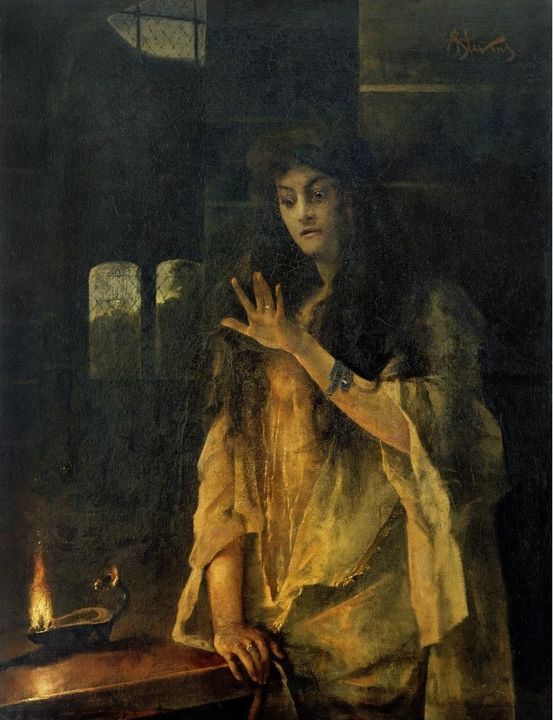
Lady Macbeth: Alfred Stevens, before 1889. Source · Public domain
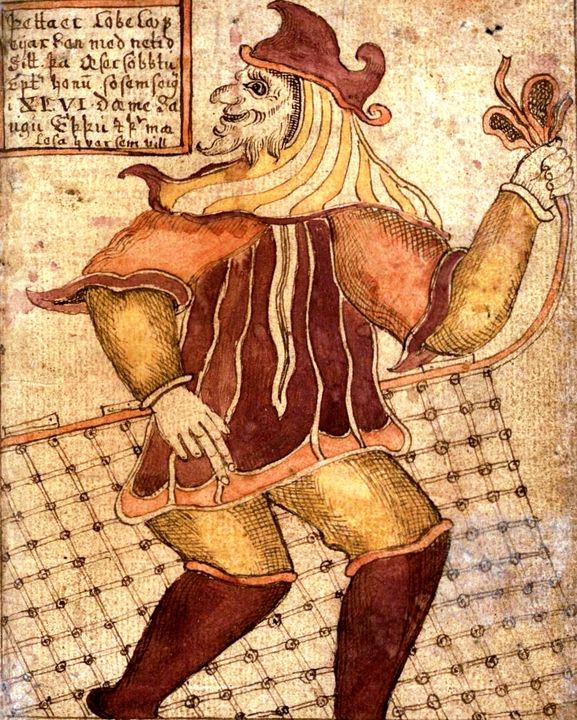
A shape-shifting companion of the Norse gods who both rescues and endangers them with his tricks. He arranges the death of Baldr with a mistletoe dart and is bound until the end of the world.
Vices: cunning and spite
cleverficklemischievousshape-shifting
“Loki is beautiful and comely to look upon, evil in spirit, very fickle in habit.”
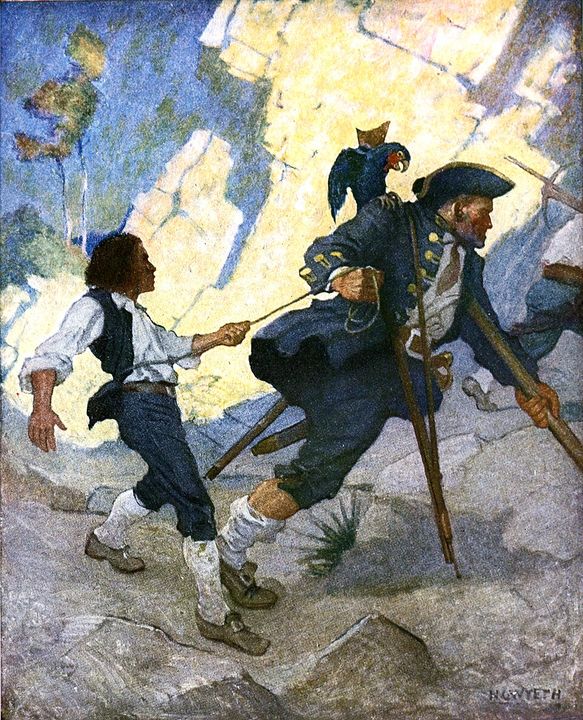
Long John Silver: N. C. Wyeth, 1911. Source · Public domain
Silver is the one-legged ship's cook of the Hispaniola, Flint's former quartermaster, and the secret leader of the mutiny. Charming, shrewd and ready to change sides, he wins Jim's affection and protects him when it suits his own survival.
Vices: cunning and double-dealing; nerve and charm
A Scottish general, spurred by three witches' prophecy and his wife's urging, murders King Duncan and seizes the throne. Each further killing deepens his isolation until he meets Macduff in battle.
Virtues and vices: valor turned by ambition
ambitiousbravehaunteddesperate
“I am in blood Stepp’d in so far that, should I wade no more, Returning were as tedious as go o’er”
Thérèse Defarge keeps a wine shop in Saint Antoine with her husband and knits into her work the names of those marked for revenge. A leader of the Revolution's crowds, she pursues the Evrémonde family to the end.
Vices: vengeance; steady resolve
implacablewatchfulresolutevengeful
“It would be easier for the weakest poltroon that lives, to erase himself from existence, than to erase one letter of his name or crimes from the knitted register of Madame Defarge.”
Marcus Brutus Complicated figure
Julius Caesar · Grades 9–10 · Renaissance Early Modern
A Roman senator, persuaded that Caesar's power threatens the republic, joins the conspiracy to kill him. He loses the struggle for Rome to Antony and Octavius and dies at Philippi, praised by his enemy.
Virtues and vices: devotion to Rome; trust in the wrong arguments
principledidealistichonorablemisjudging
“Not that I loved Caesar less, but that I loved Rome more”
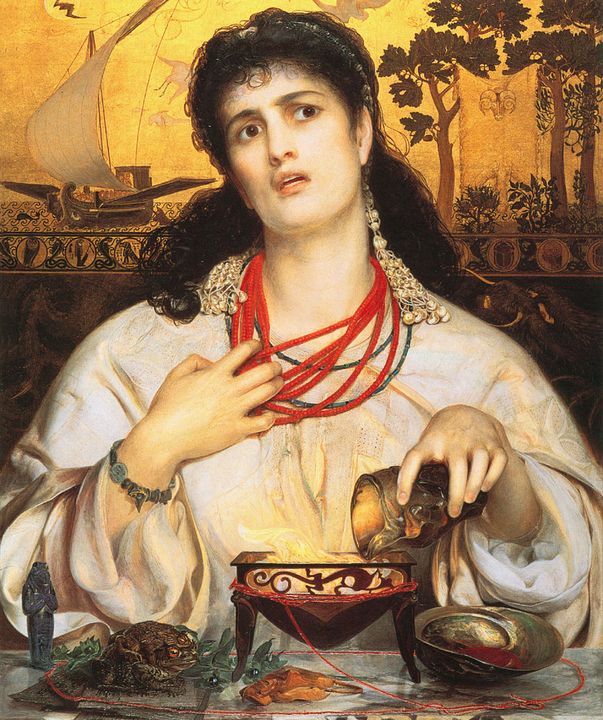
Medea: Frederick Sandys, 1868. Source · Public domain
A princess and enchantress from Colchis who helped Jason win the Golden Fleece. Abandoned by him in Corinth for a new marriage, she plans a revenge that destroys the royal house and her own children.
Virtues and vices: fierce intelligence; implacable revenge
brilliantpassionatewrongedruthless
“Of all things upon earth that bleed and grow, A herb most bruised is woman”
Mr. McGregor is the gardener whose vegetable rows tempt Peter. He chases the young rabbit through the garden with a rake and a sieve, and he keeps Peter's lost jacket and shoes for a scarecrow.
Vices: diligence in guarding his garden; hot pursuit
watchfuldeterminedhardworking
“Mr. McGregor was on his hands and knees planting out young cabbages, but he jumped up and ran after Peter, waving a rake and calling out, 'Stop thief!'”
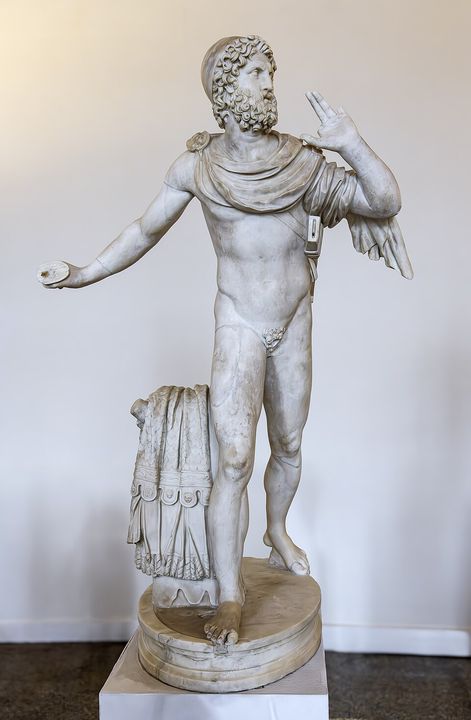
Roman statue of Ulysses, Venice archaeological museum (photo: Didier Descouens). Source · Public domain
The king of Ithaca spends ten years after the fall of Troy trying to reach home. He survives the Cyclops, Circe, the Sirens and shipwreck by wit and patience, then returns in disguise to reclaim his house.
Virtues: cunning and endurance; a taste for boasting
cleverenduringresourcefulloyal
“Tell me, O Muse, of that ingenious hero who travelled far and wide after he had sacked the famous town of Troy”
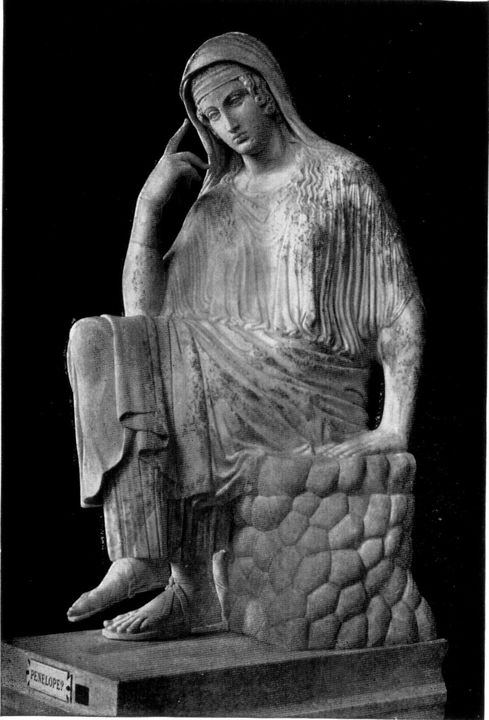
Penelope: illustration from a Project Gutenberg edition of the Odyssey (artist unknown). Source · Public domain
Odysseus's wife keeps their household in Ithaca for twenty years while suitors crowd her halls. She delays them by weaving a shroud by day and unpicking it by night, and she tests her returning husband before trusting him.
Virtues: constancy and prudence
faithfulshrewdpatientsteady
“I used to keep working at my great web all day long, but at night I would unpick the stitches again by torch light.”
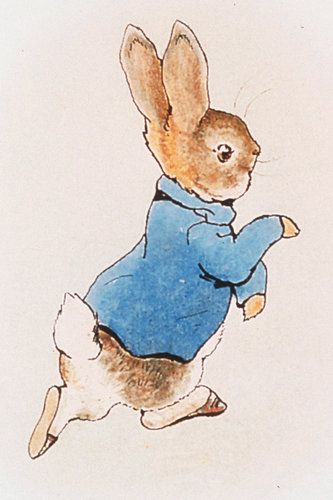
Peter Rabbit: Beatrix Potter, 1902. Source · Public domain
Peter is the youngest and most adventurous of four rabbit children. Told to stay out of Mr. McGregor's garden, he slips in anyway, feasts on vegetables, and has a narrow escape before returning home to his mother and a dose of camomile tea.
Virtues: daring and resourcefulness; disobedience
curiousboldimpulsivesmall
“But Peter, who was very naughty, ran straight away to Mr. McGregor's garden, and squeezed under the gate!”
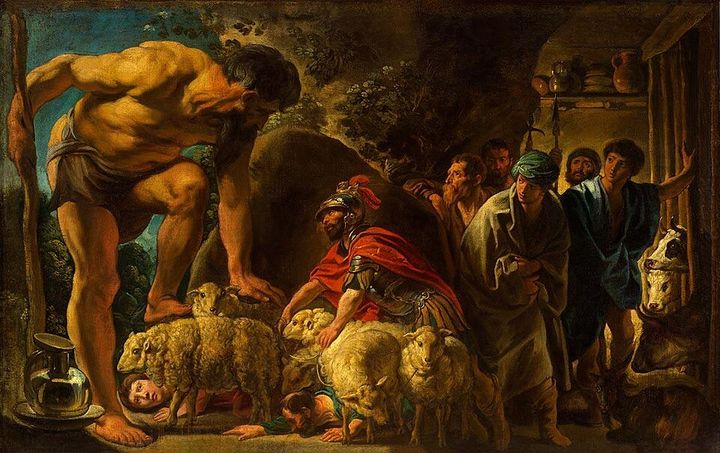
Polyphemus: Jacob Jordaens, c. 1630–1635. Source · Public domain
A one-eyed Cyclops and son of Poseidon who traps Odysseus and his men in his cave and eats several of them. Blinded by Odysseus, who has told him his name is Noman, he calls on his father to curse the hero's voyage home.
Vices: brute strength; scorn for the laws of hospitality
savagepowerfullawlessvengeful
“no man is killing me by force.”
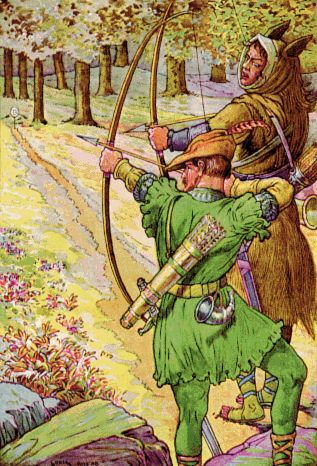
Robin Hood: Louis Rhead, 1912. Source · Public domain
Robin Hood is an outlaw of Sherwood Forest in the reign of Henry II. With Little John, Friar Tuck and his merry band he outwits the Sheriff of Nottingham, takes from greedy barons and abbots, and helps the poor, until he wins the king's pardon.
Virtues: generosity, courage and good humour
merryskilfulgenerousdaring
“No archer ever lived that could speed a gray goose shaft with such skill and cunning as his”
Charlemagne's nephew commands the rear guard at Roncevaux. He refuses his friend Oliver's pleas to sound his horn for help until the battle is lost, and dies facing Spain.
Virtues: courage and loyalty; reckless pride
valiantproudloyalimpetuous
“Rather I'll die than shame shall me attain.”
Satan Villain
Paradise Lost · Grades 11–12 · Renaissance Early Modern
The fallen archangel rallies the rebel angels in Hell and travels to the new world to ruin humanity. Milton gives him grand speeches, while showing his torment and diminishment as the poem goes on.
Holmes is a consulting detective in Baker Street, London, whose cases are narrated by his friend Dr. Watson. He solves mysteries by close observation and reasoning, and sometimes lets a repentant wrongdoer go free.
Virtues: devotion to truth and clear reasoning; restlessness
observantlogicalrestlessindependent
“You see, but you do not observe.”
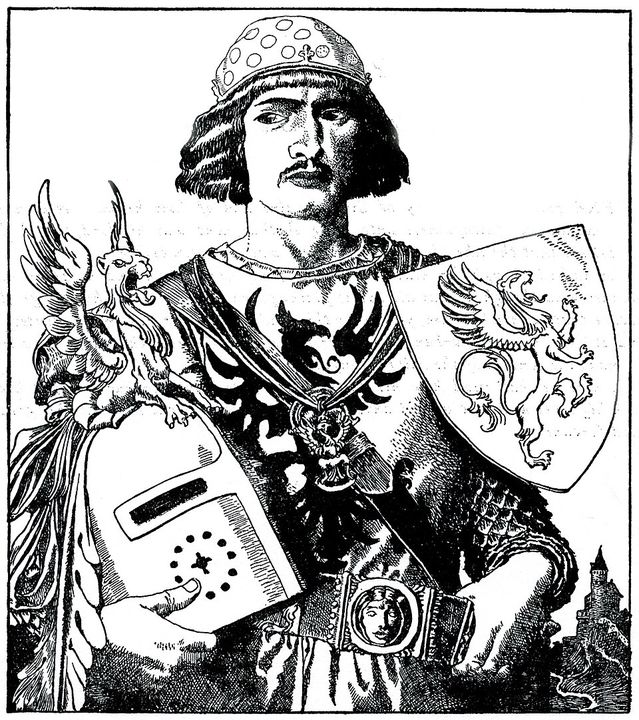
Sir Gawain: Howard Pyle, 1903. Source · Public domain
King Arthur's nephew accepts the Green Knight's beheading challenge and sets out a year later to meet the return blow. Tested by his host's wife and by his own fear, he keeps faith in nearly everything and returns humbled by his one lapse.
Virtues: courtesy and good faith; a moment of fear
courteousbravehonesthumble
“For I know well that ye are Sir Gawain, whom all the world worships, wheresoever ye may ride”
Smaug is the great dragon who drove the dwarves from the Lonely Mountain and sleeps on their treasure. Vain of his armour and riddling talk, he is roused by Bilbo's visit, attacks Lake-town, and is brought down by Bard's black arrow.
Vices: greed and pride
greedyproudcunningterrible
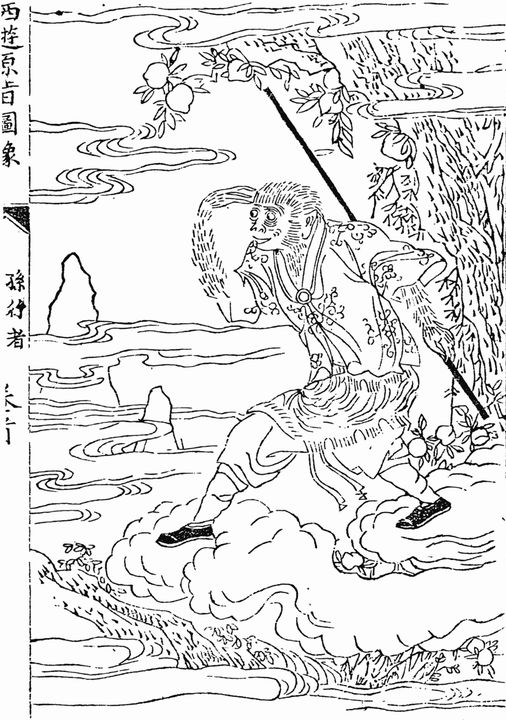
Sun Wukong in a 19th-century Chinese illustration (artist unknown). Source · Public domain
A monkey born from a stone learns magic, defies the court of Heaven and is imprisoned under a mountain by the Buddha. Released, he becomes the quick-tempered, fiercely loyal guardian of the monk on his pilgrimage to the West.
Virtues and vices: daring and loyalty; unruly pride
mischievouscleverloyalrestless
“The five pillars became a mountain joined together, and were called the Five Elements mountain, and Buddha gently covered him up under the mountain.”
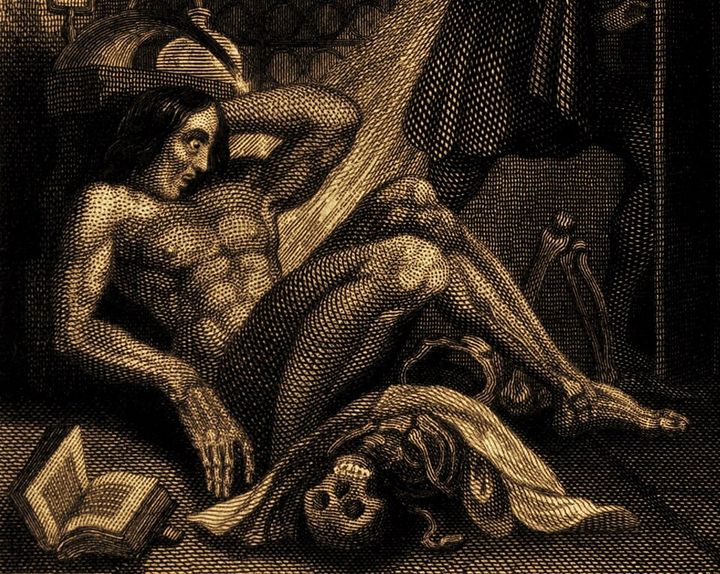
The Creature: Theodor von Holst, frontispiece to the 1831 edition. Source · Public domain
The Creature is the being Victor makes and abandons. He teaches himself to speak and read by watching the De Lacey family, and when he is rejected by them and by his maker, he turns to revenge while pleading for a companion.
Virtues and vices: longing for kindness; revenge
eloquentlonelypowerfulwronged
“I was benevolent and good; misery made me a fiend. Make me happy, and I shall again be virtuous”
Mocked by the Hare for her short legs, the Tortoise challenges him to a race. She never stops while the Hare naps by the road, and she reaches the goal first.
Jadis, the White Witch, rules Narnia by enchantment, keeping it in a winter without Christmas. She wins Edmund with Turkish Delight and promises, claims his life under the ancient law, and turns her enemies to stone.
Vices: pride and the will to dominate
coldcommandingcunningproud
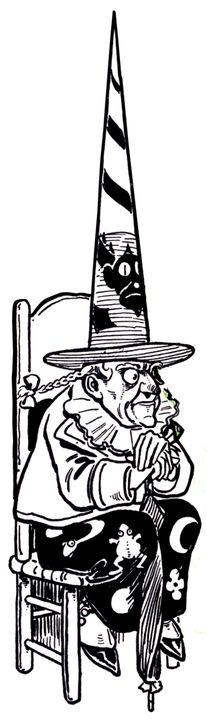
The Wicked Witch of the West: W. W. Denslow, 1900. Source · Public domain
The Wicked Witch of the West rules the Winkies from her yellow castle. When Dorothy and her friends are sent to defeat her, she sends wolves, crows, bees and the Winged Monkeys against them and makes Dorothy her servant, until a bucket of water ends her power.
Vices: greed and tyranny
cruelwatchfulgraspingsolitary
“Now the Wicked Witch of the West had but one eye, yet that was as powerful as a telescope, and could see everywhere.”
In several fables the Wolf is the hungry stranger at the edge of the flock. Meeting a lamb, he invents one accusation after another as an excuse to eat it, and the lamb's answers make no difference.
Vices: appetite dressed up as justice
hungryslybullyingunreasonable
“Well! I won’t remain supperless, even though you refute every one of my imputations.”
Victor Frankenstein: Theodor von Holst, frontispiece to the 1831 edition. Source · Public domain
Victor is a Genevan student of natural philosophy who discovers how to give life to a body he has built. He abandons the being at once, and his silence and flight bring loss to his family until he pursues his creation into the Arctic.
Virtues and vices: scientific ambition; failure of responsibility
ambitiousbrilliantsecretiveremorseful
“Life and death appeared to me ideal bounds, which I should first break through, and pour a torrent of light into our dark world”
Pooh is a teddy bear who lives in the Hundred Acre Wood with Christopher Robin and their friends. Fond of honey and of making up hums, he blunders into small adventures and, by good nature as much as by cleverness, often helps set things right.
Virtues: loyalty and good cheer; forgetfulness
kindhungryloyalmodest
“For I am a Bear of Very Little Brain, and long words Bother me.”