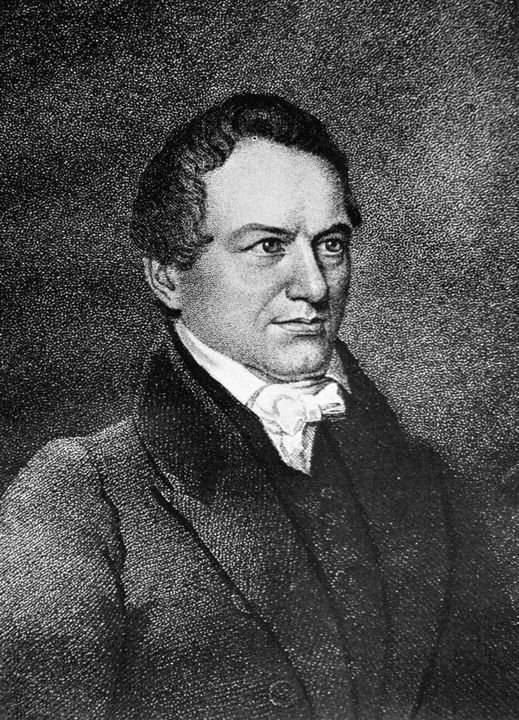
Robert Young Hayne (1791-1839) was born in the Colleton District of South Carolina, read law in Charleston, and served in the War of 1812 before entering the state legislature, where he became Speaker, and then serving as the state's attorney general. Elected to the United States Senate in 1822, he became a leading Southern opponent of the protective tariff and the chief Senate spokesman for the constitutional views of John C. Calhoun. He resigned in 1832 to become Governor of South Carolina during the Nullification Crisis, was later mayor of Charleston, and at his death in 1839 was president of a railroad company planned to link Charleston with the Ohio Valley.
“Sir, I would lay the foundation of this government in the affections of the people—I would teach them to cling to it by dispensing equal justice, and above all, by securing the “blessings of liberty” to “themselves and to their posterity.””
“Do gentlemen estimate the value of the Union at so low a price, that they will not even make one effort to bind the states together with the cords of affection?”
“Who, then, Mr. President, are the true friends of the Union? Those who would confine the federal government strictly within the limits prescribed by the constitution; who would preserve to the states and the people all powers not expressly delegated; who would make this a federal and not a national Union, and who, administering the government in a spirit of equal justice, would make it a blessing, and not a curse.”
Robert Y. Hayne's speech on Foot's resolution is the South Carolina side of the Webster-Hayne debate, the most celebrated exchange in the history of the United States Senate. In December 1829 Senator Samuel Foot of Connecticut proposed an inquiry into limiting the sale of public lands in the West.