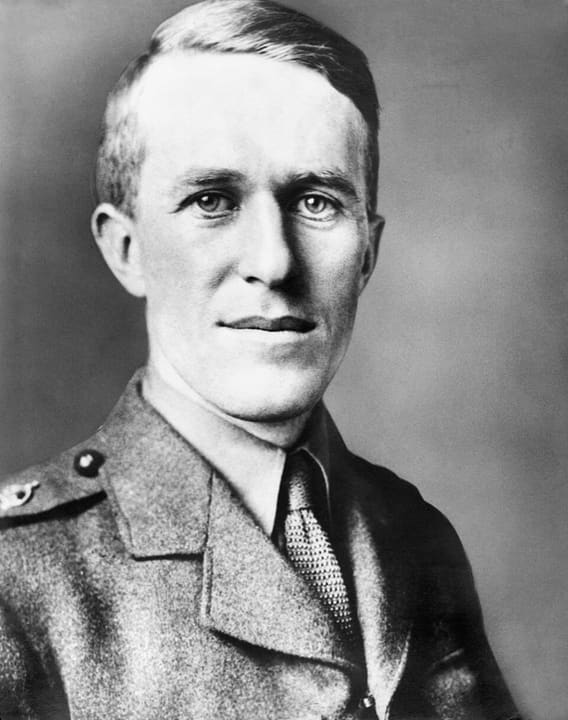
Thomas Edward Lawrence (1888–1935) was born in Tremadog, Wales, read history at Oxford, and worked before the First World War on the British Museum excavation at Carchemish in Syria. Posted to military intelligence in Cairo, he became liaison officer to the Emir Feisal during the Arab Revolt of 1916–1918. Afterwards he refused honours, enlisted under assumed names as an aircraftman and a private soldier, translated the Odyssey, and died after a motorcycle crash in Dorset in 1935.
Seven Pillars of Wisdom is Lawrence's account of his two years with the Arab Revolt against the Ottoman Empire, from his first visit to the Hejaz in October 1916 to the entry into Damascus in October 1918. It opens with an introductory chapter that admits the book's political bad conscience: Lawrence knew that Britain and France had already divided the Arab lands in the Sykes–Picot agreement while he encouraged the Arabs to fight for independence.