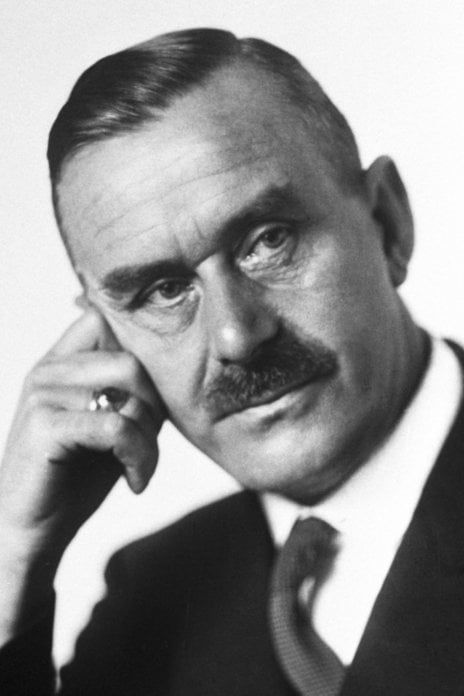
Thomas Mann (1875-1955) was born in Lübeck to a merchant family and made his name with Buddenbrooks (1901). His later works include The Magic Mountain (1924), the Joseph tetralogy and Doctor Faustus (1947), and he received the Nobel Prize in Literature in 1929. He left Germany in 1933, settled in the United States in 1938, became an American citizen in 1944, and spent his last years in Switzerland, dying near Zurich in 1955.
Frequently Cited
“And on the same day a respectfully shocked world received the news of his death.”
Death in Venice follows the last weeks of Gustav von Aschenbach, a celebrated German writer in his fifties, ennobled on his fiftieth birthday, whose prose epic on Frederick the Great and other works have made him a model of disciplined art. Thomas Mann published the novella in 1912, and it is told in five chapters by a narrator who comments on Aschenbach with a mixture of sympathy and irony.