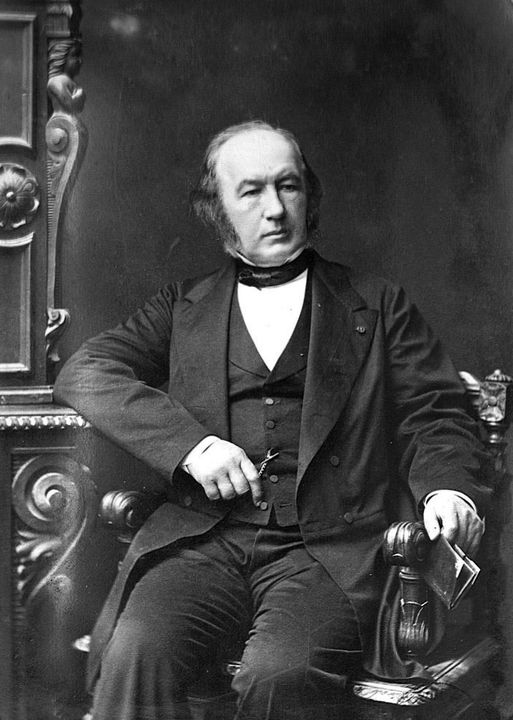
Claude Bernard (1813–1878) was born at Saint-Julien in the Beaujolais, worked as a pharmacist's assistant, wrote for the stage, and on advice turned to medicine in Paris. As assistant to François Magendie at the Collège de France he became the leading experimental physiologist of his age, discovering the role of the pancreas in digesting fats, the glycogenic function of the liver and the vasomotor nerves, and analysing the actions of curare and carbon monoxide. He held chairs at the Sorbonne, the Collège de France and the Muséum d'histoire naturelle, entered the Académie française in 1868, and on his death in 1878 received a state funeral.
Claude Bernard published this book in Paris in 1865 as the opening of a larger treatise on experimental medicine that he never completed. It sets out, for physicians, the method by which he had made his own discoveries, and argues that medicine must become a science grounded in physiology and the laboratory.