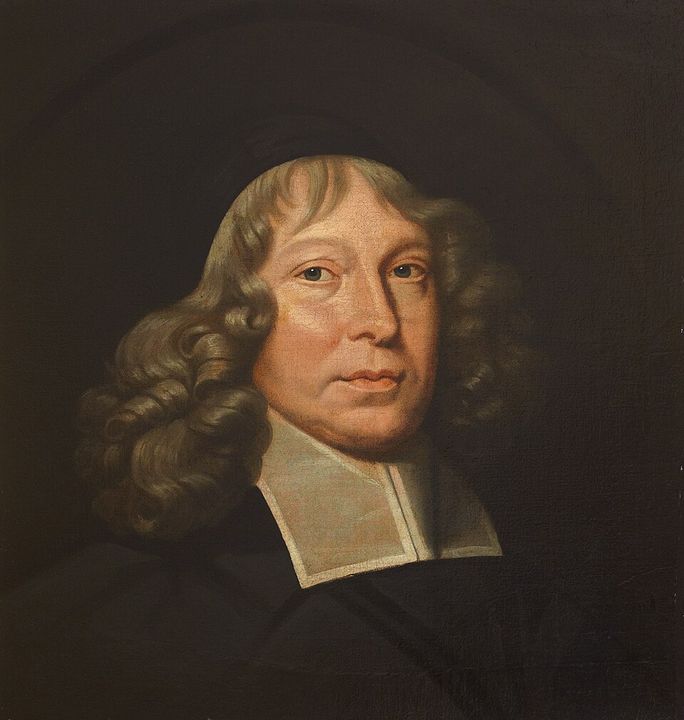
Samuel Rutherford (c. 1600–1661) was a Scottish Presbyterian minister and theologian, born in Roxburghshire and educated at the University of Edinburgh, where he briefly taught Latin. From 1627 he was minister of Anwoth in Galloway; in 1636 he was confined to Aberdeen for opposing the bishops' policy, and after the Glasgow Assembly of 1638 he became professor of divinity at St Mary's College, St Andrews. He sat as one of the Scottish commissioners to the Westminster Assembly from 1643 to 1647, during which time Lex, Rex appeared. After the Restoration he was deprived of his offices and summoned on a charge of treason, but he died at St Andrews in March 1661 before he could be tried. His Letters, published after his death in 1664, became one of the best-loved devotional books in the Scottish Reformed tradition.
Frequently Cited
“Truth to Christ, cannot be treason to Caesar, and for his choise he judgeth truth to have a nearer relation to Christ Jesus, then the transcendent and boundlesse power of a mortall Prince.”
1644 · Renaissance Early Modern · Political Theory
Lex, Rex: The Law and the Prince is Samuel Rutherford's answer, printed in London in October 1644, to Sacro-sancta Regum Majestas, a defence of royal absolutism by John Maxwell, the deposed bishop of Ross whom the Glasgow Assembly of 1638 had excommunicated. Rutherford wrote while Scotland and the English Parliament were allied against Charles I under the Solemn League and Covenant, and his long subtitle presents the book as a justification of Scotland's defensive wars and of its army's march to help its brethren in England.