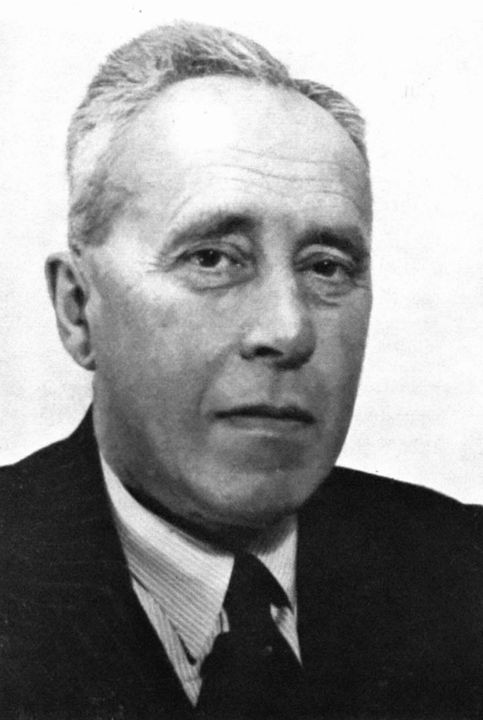
Johan Huizinga (1872–1945) was a Dutch historian born in Groningen, the son of a professor of physiology. He trained in Dutch literature and comparative linguistics, writing his doctoral thesis on a figure of the Sanskrit drama, before turning to history; he became professor of history at Groningen in 1905 and at Leiden in 1915. His books include The Waning of the Middle Ages (1919), Erasmus (1924), In the Shadow of Tomorrow (1935) and Homo Ludens (1938), a study of play in culture. During the German occupation of the Netherlands he was held as a hostage at Sint-Michielsgestel in 1942 and then banished from Leiden; he died at De Steeg, near Arnhem, in February 1945, weeks before the liberation.
The Waning of the Middle Ages is a study of the forms of life, thought and art in France and the Burgundian Netherlands in the fourteenth and fifteenth centuries. Huizinga, a Dutch professor of history, published it in 1919 as Herfsttij der Middeleeuwen, literally the autumn-tide of the Middle Ages.