Work record
Wonderful Adventures of Mrs. Seacole in Many Lands
1857 · 19th Century · Memoir · English
Abstract
Background. Ruined financially when the Crimean campaign ended, the author wrote to tell the public who she was while friends from the army raised a relief fund; a celebrated war reporter vouched for her in a short preface.
Content. Roughly a third of the book covers the Caribbean and Central America: a healer's girlhood, trading trips, widowhood, epidemics on the gold-rush route, rowdy riverside inns and a mining gamble. The rest follows rejection by London officials, a self-financed voyage east, a night at the great base hospital, the building of a canteen near the siege lines, and service amid bombardment, battle, armistice and evacuation.
Style. Chatty, humorous and direct, the narrator addresses readers as friends, laughs at her own plumpness and age, and moves briskly from comic mishaps to deathbeds. Long digressions are rare; she prefers anecdote, sketches of customers and comrades, and quoted letters from officers and surgeons who saw her at work.
Themes. Vocation discovered in childhood, persistence after rebuff, healing as practical charity, enterprise joined to generosity, mercy toward enemies, and friendship valued above fortune.
Significance. A best seller in its year and then long forgotten, it is now prized as one of the earliest autobiographies by a woman of colour in Britain and as a vivid civilian witness to Crimean War medicine.
Key figures
- Mary Seacole: Jamaican doctress, nurse and hotel-keeper
- Her mother: Kingston boarding-house keeper and healer
- Thomas Day: Partner in the Crimean firm
- Florence Nightingale: Superintendent of nurses at Scutari
- Alexis Soyer: Chef and army kitchen reformer
- W. H. Russell: Times correspondent and author of the preface
- Lord Rokeby: General, dedicatee and patron
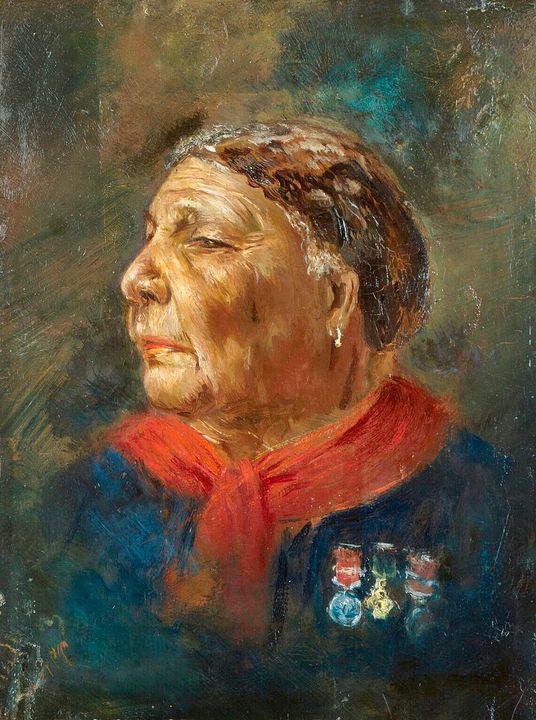

Summary
Wonderful Adventures of Mrs. Seacole in Many Lands is the lively autobiography of a Jamaican doctress, nurse and businesswoman. Mary Seacole begins in Kingston, where she was born to a Scottish soldier and a Creole mother who kept a boarding house and was famous for her cures; she declines to give the year, saying only that she and the century were young together. As a girl she doctors her doll, then the household cats and dogs, then people. She makes trading voyages to London, the Bahamas, Haiti and Cuba, marries Mr. Seacole, nurses him until his death, loses her mother, and keeps the boarding house herself, nursing officers and their families through the cholera of 1850. She then follows her brother to the Isthmus of Panama, crowded with travellers bound for the California gold fields. At Cruces cholera breaks out, and she becomes the yellow doctress who treats the sick when there is no one else; after a baby dies in her arms, she examines the body to learn more about the disease, and she catches cholera herself. She keeps a hotel at Cruces and later at Gorgona, describes gamblers, floods, fires and thieves, returns to Jamaica to nurse yellow fever patients in 1853, and tries her luck at a gold-prospecting venture at Escribanos. When the Crimean War begins she sails to London to offer herself as an army nurse, but the War Office, the Crimean Fund and Florence Nightingale's recruiters turn her away. Undaunted, she forms a partnership with Thomas Day, her associate from the Panama gold venture, and sails at her own cost. She spends a night at Scutari after meeting Miss Nightingale, then lands at Balaclava, sells stores from a ship, and builds the British Hotel at Spring Hill, a store, canteen and kitchen where soldiers could buy food and comforts and where she treated the sick. She describes rats and thieves, her customers, Alexis Soyer, the failed assault on the Redan on 18 June 1855, the Battle of the Tchernaya, the fall of Sebastopol, and her care for wounded men of every army, including Russians, on the field. Peace leaves her with unsold stock and bankruptcy, but she closes cheerfully, saying that friends from the Crimea greet her everywhere in London and that she would not trade them for riches. The book was published in London by James Blackwood in July 1857, edited by an unidentified W. J. S., with a preface by W. H. Russell, the Times correspondent in the Crimea, and a dedication to Lord Rokeby; the library text is the complete 1857 edition.
Virtues in this work
- Fortitude: After being refused by every London office, Seacole travels to the Crimea at her own cost and works under fire on 18 June 1855.
- Charity: On the field of the Tchernaya she dresses the wounds of Russian soldiers as carefully as those of the allies.
- Industry: She builds and runs the British Hotel at Spring Hill despite floods, rats and thieves, cooking and nursing from dawn.
- Hope: Bankrupt at the war's end, she closes her book counting the friends she meets everywhere in London as her reward.
Plot or Argument
- Chapter I: Kingston beginnings
Birth and parentage, childhood practice on her doll and pets, voyages to London and the Caribbean, marriage to Mr. Seacole, and widowhood.
- Chapters II-IV: To Panama and the cholera
After her mother's death and the cholera in Jamaica she follows her brother to the Isthmus; she journeys up the Chagres River to Cruces, opens a business, treats cholera patients, examines the body of an infant who died of the disease, and falls ill herself.
- Chapters V-VII: Hotels on the gold road
She keeps hotels at Cruces and Gorgona among travellers to and from California, describes gamblers, quarrels, floods and fires, nurses yellow fever in Jamaica in 1853, and joins a gold-prospecting venture at Escribanos.
- Chapters VIII-IX: Refused in London, welcomed at Scutari
Hearing of the war, she applies to the War Office and to the Nightingale nursing parties and is refused; she prays in the street, resolves to go at her own expense, forms the firm of Seacole and Day, sails by Malta and Gibraltar, and spends a night at Scutari Hospital after meeting Florence Nightingale.
- Chapters X-XII: Building the British Hotel
At Balaclava she sells stores from shipboard, helps on the sick wharf, battles thieves, builds the British Hotel at Spring Hill with Turkish and local workmen, and struggles with rats, floods and pilfering.
- Chapters XIII-XIV: Doctress, nurse and mother
She explains her medical work among soldiers who preferred her remedies to the hospital, prints testimonials from army doctors and officers, and describes her customers.
- Chapters XV-XVII: Under fire
She watches the advance on Kamara, meets Nightingale and Soyer at Balaclava, carries bandages and food to the troops on 18 June 1855 and at the Tchernaya, dresses the wounds of British, French, Sardinian and Russian soldiers, and enters Sebastopol after its fall.
- Chapters XVIII-XIX: Peace and departure
Races and Christmas at the British Hotel, the armistice and trading with the Russians, excursions into the Crimea, farewells and visits to the cemeteries, and the forced sale of stock as the army leaves.
- Conclusion
The firm fails at Aldershot, but Seacole counts friendship and gratitude as her gains and lists the noblemen and officers who formed a committee to aid her.
Characters
- Mary Seacole, author and narrator
Jamaican doctress, nurse, hotel-keeper and sutler who calls herself a female Ulysses.
- Her mother, teacher in medicine
Kingston boarding-house keeper and admired Creole doctress from whom Mary learned her remedies.
- Edwin Horatio Seacole, husband
Mr. Seacole, a delicate man whom she nursed until his death soon after their return to Kingston.
- Her brother Edward, hotel-keeper in Panama
Kept the Independent Hotel at Cruces and drew her to the Isthmus.
- Thomas Day, business partner
Partner in the Escribanos gold venture, said by biographers to be a relative of her late husband, with whom she formed the Crimean firm of Seacole and Day.
- Florence Nightingale, superintendent of nurses
Receives her kindly at Scutari and finds her a bed for the night.
- Alexis Soyer, French chef
Celebrated cook who reformed army kitchens and visited the British Hotel.
- W. H. Russell, war correspondent
Times reporter who praised her in print and wrote the book's preface.
- Lord Rokeby, general and patron
Commander to whom the book is dedicated and who headed the committee to aid her.
Lessons
Turning a refusal into a road
In London Seacole is turned away by every office she tries, and she weeps and prays in the street. The next morning she decides to go to the Crimea at her own cost and builds a business that lets her serve. The book shows a closed door becoming the start of a different path.
- Which offices and groups refuse Seacole's help in Chapter VIII?
- What does she do on the evening of her last refusal, and what does she decide the next day?
- When has a disappointment led you, or someone you know, to find another way to help?
Skill learned by watching and doing
Seacole learns medicine from her mother, practises on her doll and pets, and gains experience in cholera and yellow fever epidemics. She is proud of her skill but also quick to praise the overworked army doctors whom she wished to help. Her story honours practical knowledge built over a lifetime.
- How did Seacole first begin to learn medicine?
- Why do soldiers in the Crimea come to her rather than going to hospital, according to Chapter XIII?
- What is the difference between knowledge learned from books and knowledge learned by practice?
Mercy that crosses battle lines
After the Battle of the Tchernaya Seacole dresses the wounds of French, Sardinian and Russian soldiers as well as British ones, and she is bitten by a dying Russian whose pain she was trying to ease. She records the thanks given in the one common language of smiles. Her care follows need rather than nationality.
- Whom does Seacole help on the battlefield after the Tchernaya?
- What does the Russian officer give her, and why?
- Why might caring for an enemy's wounded be especially hard, and especially important?
Counting gains that are not money
Seacole returns from the war bankrupt and in poorer health, yet she says she cannot feel ashamed, because everywhere in London she meets friends from Spring Hill. She asks whether she would have gained such friendship if she had come home rich. The conclusion invites readers to weigh what makes a life rich.
- What did Seacole lose in the Crimea, according to the Conclusion?
- What does she say she gained?
- Do you agree that some things are worth more than financial success? Give an example.
Context
Seacole was born in Jamaica, a British colony where slavery was abolished in stages in 1834 and 1838; as a free woman of mixed Scottish and Jamaican descent she belonged to a Creole community of traders and boarding-house keepers. In the early 1850s the Isthmus of Panama, then part of the Republic of New Granada, was a crowded route for travellers to the California gold fields, and cholera and yellow fever swept the region. The Crimean War (1853-1856) set Britain, France, the Ottoman Empire and Sardinia against Russia; the siege of Sebastopol and the sufferings of the army through the winter of 1854-55, reported by W. H. Russell in The Times, led to public outcry and to the sending of Florence Nightingale's nurses to Scutari. Sutlers, or civilian traders who sold provisions to troops, were common around the camps.
Composition
Seacole's book appeared in July 1857, when she was bankrupt after the war and supporters were organizing a benefit fund and a four-day festival in her honour at the Royal Surrey Gardens. The title page says it was edited by W. J. S., whose identity is unknown, and it carries a preface by Russell and a dedication to Major-General Lord Rokeby. The text was published by James Blackwood of Paternoster Row and printed by Thomas Harrild. Seacole includes testimonials from army surgeons and officers in Chapter XIII.
Reception
The book sold well and the press, including Punch, praised her; a second edition followed. After her death she was little remembered for many decades. Renewed interest from the 1970s led to new editions, a blue plaque, and in 2004 her selection in a public poll as the greatest Black Briton; a statue was unveiled at St Thomas' Hospital, London, in 2016. Historians have since discussed how her work should be described: some emphasize her nursing, others her role as a sutler and hotel-keeper who also treated the sick, and writers have debated how her service compares with Nightingale's, a question her own narrative treats with warm regard for Nightingale.
Comparisons
- narrative-of-yellow-fever-1793
The Philadelphia yellow fever narrative and Seacole's chapters on cholera and yellow fever in Panama and Jamaica both record lay caregivers' work in epidemics, with their remedies, fears and burials.
- testament-of-youth
Vera Brittain's memoir of nursing in the First World War, sixty years later, gives a much darker picture of military nursing; read with Seacole it shows how differently two women narrated care for the wounded.
- wesley-sermons-and-primitive-physick
Wesley's Primitive Physick collected simple household remedies for ordinary people; Seacole's mustard plasters, herbal cures and nourishing foods belong to the same tradition of practical lay medicine.
- the-odyssey
Seacole jokes that friends called her a female Ulysses; her wandering from Kingston to Panama to the Crimea and home, with storms, thieves and hospitality, makes the comparison fun to test.
- twenty-years-at-hull-house
Jane Addams and Seacole both describe women who found their own way to public service and organized practical help, one through a settlement house in Chicago, the other through a hotel on a battlefield.
Quotes
Frequently cited
“I am a Creole, and have good Scotch blood coursing in my veins.”
Frequently cited
“Let what might happen, to the Crimea I would go. If in no other way, then would I upon my own responsibility and at my own cost.”
“I had from early youth a yearning for medical knowledge and practice which has never deserted me.”
“Willingly, had they accepted me, I would have worked for the wounded, in return for bread and water.”
“And the grateful words and smile which rewarded me for binding up a wound or giving cooling drink was a pleasure worth risking life for at any time.”
“Many others, on that day, gave me thanks in words the meaning of which was lost upon me, and all of them in that one common language of the whole world--smiles.”
“Now, would all this have happened if I had returned to England a rich woman? Surely not.”
For Students
A reading companion for classical Christian high school students. See the student guide.
Reading Guide
Watch for
- How Seacole's love of medicine begins in Chapter I with her mother, her doll and her pets.
- The cholera at Cruces in Chapter IV and how Seacole acts when others are afraid.
- Her refusals in London in Chapter VIII and what she decides to do next.
- The British Hotel at Spring Hill and the many roles Seacole plays there.
- The way she treats wounded soldiers from every army in Chapter XVI.
Key terms and names
- Creole
- In Seacole's Jamaica, a person born in the West Indies, often of mixed European and African descent, as she describes herself.
- Doctress
- A woman healer skilled in remedies and nursing; Seacole's mother was a famous doctress in Kingston.
- Cholera
- A deadly disease spread by contaminated water that causes severe diarrhoea and dehydration; Seacole fought it in Jamaica and Panama.
- Isthmus of Panama
- The narrow land between the Atlantic and Pacific, crossed by river and mule track by travellers to California in the 1850s.
- Crimean War
- The war of 1853-1856 in which Britain, France, the Ottoman Empire and Sardinia fought Russia, centred on the siege of Sebastopol.
- Sutler
- A civilian trader who sold food and supplies to soldiers in camp; Russell says Seacole redeemed the name.
- British Hotel
- Seacole's store, canteen and kitchen at Spring Hill between Balaclava and the British camp.
Seminar Questions
- Comprehension How did Mary Seacole learn medicine as a child, and from whom?
- Comprehension Why did Seacole go to Panama, and what did she do when cholera broke out there?
- Comprehension How did Seacole finally get to the Crimea after she was refused in London?
- Interpretation Seacole often jokes about herself. How does her humour shape the way we see her and her adventures?
- Interpretation Why do you think Seacole includes letters and testimonials from officers and doctors in Chapter XIII?
- Interpretation What does the scene with the wounded Russian officer show about Seacole's character?
- Big Question Is it possible to run a business and serve others at the same time? How does Seacole's life answer this?
- Big Question What makes a person brave: lack of fear, or acting well while afraid?
Faith Connections
- Luke 10:30-37 (Scripture)
The Good Samaritan helps a wounded stranger from another people. Seacole's care for French, Sardinian and Russian soldiers on the field of the Tchernaya follows this pattern.
- Matthew 25:35-36 (Scripture)
Jesus counts feeding the hungry and visiting the sick as service to himself; Seacole's British Hotel fed hungry soldiers and her medicine bag went to the sick in their huts.
- Proverbs 31:20 (Scripture)
The capable woman stretches out her hand to the poor and needy; Seacole is both a capable trader and a generous nurse.
- Philippians 4:11-12 (Scripture)
Paul has learned to be content in plenty and in want; Seacole's cheerful conclusion after bankruptcy shows the same contentment.
Logic and Rhetoric
Central argument: Seacole had long experience of medicine, a strong wish to serve, and old friends in the British army. When official help was refused she found another way, and the testimony of officers and doctors proves that her work was useful. Therefore she asks the British public to remember her services and to help her in her need.
Rhetorical device: self-deprecating humour. Seacole refuses to give her birth year because, as a female and a widow, she may be excused, and she describes throwing herself to the ground under fire with very undignified and unladylike haste.
Debate: Resolved: that Seacole was right to go to the Crimea at her own risk and cost after being refused by the authorities.
Memory Work
Let what might happen, to the Crimea I would go. If in no other way, then would I upon my own responsibility and at my own cost.
Many others, on that day, gave me thanks in words the meaning of which was lost upon me, and all of them in that one common language of the whole world--smiles.
Writing Prompts
Essay: Seacole describes herself as a doctress, a nurse, a businesswoman and a mother to the soldiers. Using examples from the book, explain which role you think mattered most to her and why.
Comparison with Testament of Youth: Compare how Seacole and Vera Brittain describe caring for wounded soldiers, and how each woman's tone reflects her war and her purpose in writing.
Medical Lens
Seacole's memoir is a primary source for Caribbean Creole medicine and for lay nursing in mid-nineteenth-century epidemics and war. She learned from her mother, a Kingston doctress, and describes treating cholera in Jamaica (1850) and at Cruces on the Isthmus of Panama (1851) with mustard emetics and plasters, warm fomentations, calomel and sugar of lead (lead acetate, then a standard astringent), remedies that reflect the medicine of the period and that later practice abandoned; she candidly notes that many patients died. After an infant patient dies of cholera she persuades the gravedigger to let her examine the body, an informal post-mortem she calls her first and last, undertaken to understand the disease. She nursed yellow fever cases in Kingston in 1853 and caught cholera herself. In the Crimea she sold food and sick-comforts and treated soldiers for the camp sicknesses she knew from the Caribbean, prints testimonials from army surgeons, and on the battlefield dressed wounds, gave water and helped load ambulances; she dislocated her thumb under fire and was bitten by a dying Russian soldier. Her account complements the official and Nightingale-centred histories of Crimean medicine with the view of an independent practitioner; how to characterize her role, as nurse, doctress or sutler who also nursed, is discussed by historians.
- Chapter I
Childhood practice of medicine on her doll and pets, learned by watching her mother's patients.
- Chapter IV
Cholera at Cruces: her treatments, the deaths, the examination of an infant's body to learn about the disease, and her own attack of cholera.
- Chapter VII
Nursing army officers and their families through the yellow fever epidemic in Kingston in 1853, with many death-bed scenes.
- Chapter IX
A visit to the Barrack Hospital at Scutari and her meeting with Florence Nightingale.
- Chapter XIII
Her medical work among the troops from the British Hotel, with testimonials from army surgeons.
- Chapter XVI
Dressing wounds at the field hospital on 18 June 1855 and on the field of the Tchernaya.
Creative Prompts
- Classroom
Trace Seacole's travels on a world map, from Kingston to London, Panama, Constantinople, Balaclava and home, and label each stop with one thing that happened there.
- Fiction
Write a letter home from a young British soldier in the winter of 1855 describing a visit to Mother Seacole's British Hotel.
- Dialogue
Write the conversation between Seacole and Florence Nightingale at Scutari, using the details Seacole gives in Chapter IX.
- Essay
Seacole calls herself a female Ulysses. Compare her journey with Odysseus's and decide whether the title fits.
Further Reading
- Mary Seacole: The Charismatic Black Nurse Who Became a Heroine of the Crimea, Jane Robinson
- Notes on Nursing, Florence Nightingale
Nightingale's 1859 guide, written from the same war's experience.
- The Crimean War: A History, Orlando Figes
Verification notes
Contents, names, places and chapter locators were checked against the attached Gutenberg text of the 1857 Blackwood edition, which includes Russell's preface, the dedication to Lord Rokeby, and an editor's credit to W. J. S. Seacole's birth year (1805), maiden name, the dates of her marriage and widowhood, the July 1857 publication, the Royal Surrey Gardens festival, the 2004 poll and the 2016 statue come from standard reference accounts, not from the book, which gives few dates. Her husband's full name, Edwin Horatio Hamilton Seacole, and her partner Thomas Day's relationship to him are from biographical sources. The remedies and the infant post-mortem are described as she reports them. Quotes were checked against the attached text.
- The exact years of the Jamaican and Panamanian cholera episodes (usually 1850 and 1851) and the Kingston yellow fever (1853), which the book does not date precisely.
- Whether the second edition of 1857 differs from the first.