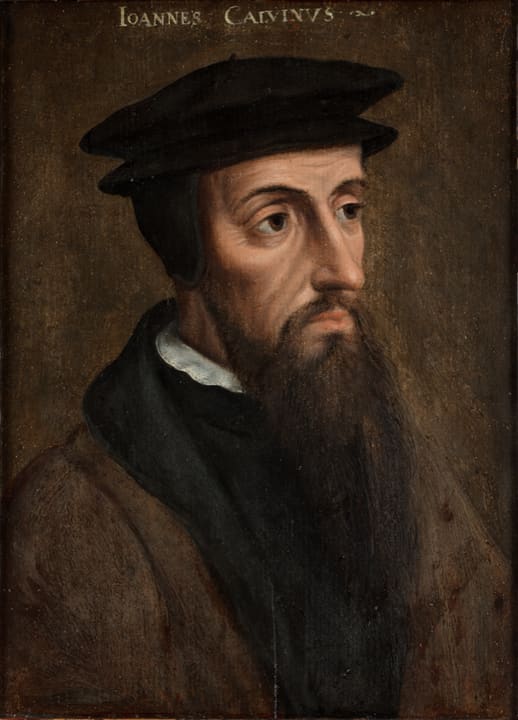
John Calvin (1509-1564) was a French reformer, theologian, biblical commentator, and preacher who spent much of his career in Geneva. His Institutes of the Christian Religion and extensive sermons shaped Reformed Protestantism. He combined legal training, humanist learning, doctrinal discipline, and an intense concern for church order.
“But I answer, that the testimony of the Spirit is superior to reason. For as God alone can properly bear witness to his own words, so these words will not obtain full credit in the hearts of men, until they are sealed by the inward testimony of the Spirit.”
“We are not our own; therefore, neither is our own reason or will to rule our acts and counsels. We are not our own; therefore, let us not make it our end to seek what may be agreeable to our carnal nature. We are not our own; therefore, as far as possible, let us forget ourselves and the things that are ours. On the other hand, we are God's; let us, therefore, live and die to him (Rom. 14:8).”
“Thus we simply interpret justification, as the acceptance with which God receives us into his favor as if we were righteous; and we say that this justification consists in the forgiveness of sins and the imputation of the righteousness of Christ”
“By predestination we mean the eternal decree of God, by which he determined with himself whatever he wished to happen with regard to every man. All are not created on equal terms, but some are preordained to eternal life, others to eternal damnation”
“I will not be ashamed to confess that it is too high a mystery either for my mind to comprehend or my words to express; and to speak more plainly, I rather feel than understand it.”
Calvin's Selected Sermons present the Reformation as disciplined exposition rather than only protest. Preaching in Geneva, Calvin moved sequentially through biblical books, applying Scripture to doctrine, worship, civic life, household conduct, suffering, and church reform.
1536; definitive Latin edition 1559 · Renaissance Early Modern · Philosophy
Institutes of the Christian Religion is John Calvin's ordered account of Christian doctrine, written to train readers in godliness and to show the King of France what his persecuted evangelical subjects actually believed. The library text opens with the Prefatory Address to Francis I, which pleads that the Reformers teach nothing new but the faith of Scripture and the early fathers, and with Calvin's Epistle to the Reader, dated Geneva, 1 August 1559, in which he says he was never satisfied until the work was set in its present order.