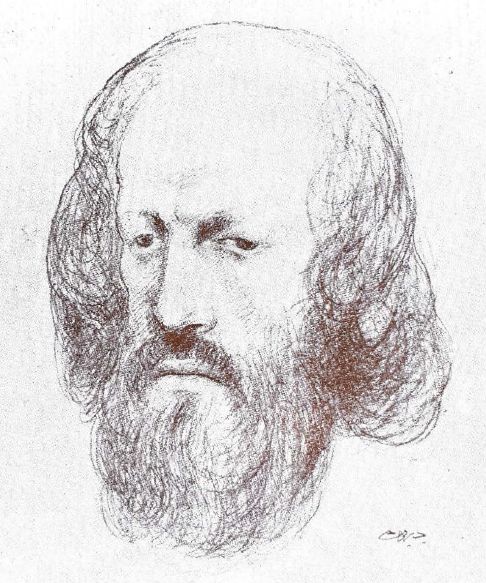
Abu Hamid Muhammad ibn Muhammad al-Ghazali (1058–1111) was born at Tus in Khurasan, in north-eastern Iran, and studied law and theology at Nishapur under the leading Ash'ari theologian al-Juwayni. In 1091 the Seljuk vizier Nizam al-Mulk appointed him to teach at the Nizamiyya college in Baghdad, where he wrote a summary of the philosophers' doctrines and The Incoherence of the Philosophers (Tahafut al-falasifa), his critique of the Aristotelian philosophy of al-Farabi and Ibn Sina. In 1095 he left his post, spent years in retirement and travel in Damascus, Jerusalem and the Hijaz, and composed his great work The Revival of the Religious Sciences (Ihya' 'ulum al-din). He returned to teach at Nishapur about 1106, wrote Deliverance from Error (al-Munqidh min al-dalal) when past fifty, and died at Tus in December 1111.
Deliverance from Error (al-Munqidh min al-dalal) is the intellectual autobiography of Abu Hamid al-Ghazali, the most influential theologian of medieval Sunni Islam. Written in Arabic about 1106–1110, after he had resumed teaching at Nishapur, it answers a 'brother in the faith' who has asked how he found his way through the quarrelling schools of his day and why he gave up his famous chair at Baghdad.