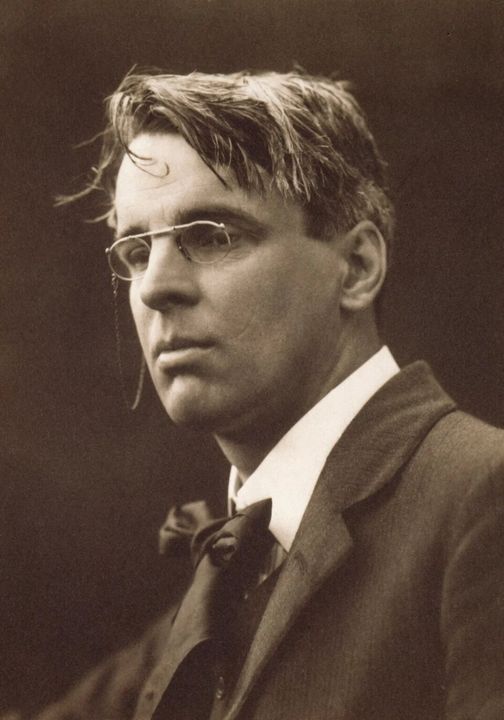
William Butler Yeats (1865–1939), born in Dublin and raised partly in his mother's county of Sligo, was twenty-three when he compiled this anthology. He went on to lead the Irish Literary Revival, co-found the Abbey Theatre, serve in the Irish Senate, and receive the Nobel Prize in Literature in 1923; folklore and the fairy faith remained a lifelong source for his poems and plays.
Fairy and Folk Tales of the Irish Peasantry is an anthology of Irish fairy lore, ghost stories, legends and comic tales chosen and introduced by the young W. B. Yeats. Rather than collecting stories himself, Yeats gathered the best versions already printed by nineteenth-century Irish writers and folklorists: Thomas Crofton Croker, William Carleton, Samuel Lover, Patrick Kennedy, Lady Wilde, Letitia Maclintock, Douglas Hyde and others, along with poems by William Allingham, Samuel Ferguson, Edward Walsh and Yeats himself.