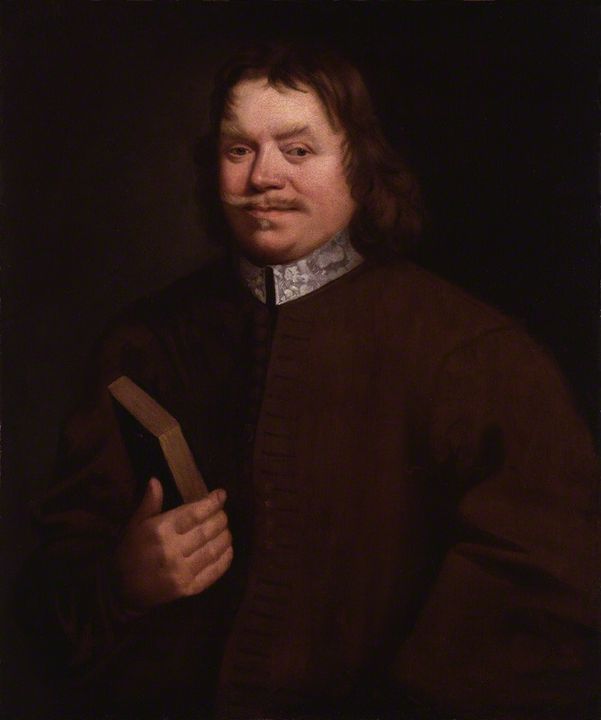
John Bunyan (1628-1688) was born at Elstow, near Bedford, the son of a brazier, and followed his father's trade as a travelling tinker. He served in the Parliamentary garrison at Newport Pagnell during the Civil War, joined the separatist congregation of John Gifford at Bedford in the 1650s, and began preaching there. Arrested in November 1660 for preaching without a licence, he spent most of the next twelve years in the Bedford county jail, where he wrote Grace Abounding and other works. Released in 1672 and licensed as pastor of the Bedford congregation, he published The Pilgrim's Progress in 1678 and died in London on 31 August 1688.
Grace Abounding to the Chief of Sinners is John Bunyan's account of his own conversion, written in the Bedford county jail and first published in 1666. It is told in 339 numbered paragraphs, opened by a preface addressed to the members of his congregation, whom he calls his children in the faith, and to whom he sends what he calls honey taken from the carcase of a lion.
1678 · Renaissance Early Modern · Religious Scripture
John Bunyan’s The Pilgrim’s Progress (1678) is the dream-allegory of Christian fleeing the City of Destruction with a burden on his back, seeking the Celestial City through Slough, Wicket Gate, Hill Difficulty, Vanity Fair, and Doubting Castle. Written by a tinker-preacher in prison, it became the English-speaking world’s most widely read religious narrative after Scripture.