Cyrus the Great
c. 600–530 BC · Founder of the Persian Empire, remembered for letting the exiled Jews return to Jerusalem.
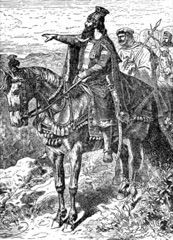
Cyrus II, called Cyrus the Great, founded the Achaemenid Persian Empire, the largest empire the world had yet seen. He began as king of Anshan, a small Persian kingdom under the rule of the Medes. Around 550 BC he defeated the Median king Astyages, then conquered Lydia, the rich kingdom of King Croesus in Asia Minor, and in 539 BC took the great city of Babylon. Unlike many conquerors, Cyrus often left local customs, temples and rulers in place, and he presented himself to the Babylonians as a restorer of their gods. A clay cylinder from his reign records this policy. The Bible's books of Ezra and Isaiah describe Cyrus allowing the Jews who had been carried into exile in Babylon to return home and rebuild the Temple in Jerusalem. The Greek writer Xenophon later wrote an idealized book about his education. Cyrus died around 530 BC while fighting tribes in Central Asia, and his simple stone tomb still stands at Pasargadae in Iran.
Faith: Faith not well documented; ancient accounts, including the Bible, record his tolerance of the religions of conquered peoples. Source: Wikipedia

Key dates
- c. 550 BC Defeats the Medes and unites Persia
- c. 546 BC Conquers Lydia and King Croesus
- 539 BC Takes Babylon
- c. 530 BC Dies on campaign; buried at Pasargadae
Read about them
Grades 9–12
- The Histories · In the library
More lives
Alexander the Great · Ashoka · Augustus · Cleopatra VII · Constantine the Great · Hammurabi