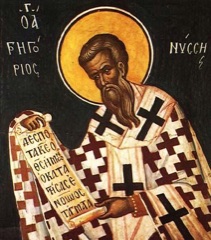
Gregory of Nyssa
c. 335–c. 395 · Bishop of Nyssa and one of the Cappadocian Fathers, theologian of the Trinity and author of On the Making of Man.
Gregory was born around 335 in Cappadocia, in what is now central Turkey, into a devout Christian family. His elder brother was Basil the Great, and his sister Macrina led a religious community; Gregory later wrote her life. Basil and their friend Gregory of Nazianzus are known with him as the Cappadocian Fathers. Gregory first worked as a teacher of rhetoric and married, but he later turned to the church. Around 372 Basil made him bishop of Nyssa, a small town in Cappadocia, and he was briefly deposed and exiled by opponents. After Basil's death in 379, Gregory became a leading defender of the teaching of the Council of Nicaea that the Son is fully God, and he played an important part at the Council of Constantinople in 381, which completed the Nicene Creed. He wrote on the Trinity, on the soul and resurrection, and on spiritual life, including The Life of Moses. On the Making of Man (379) completed Basil's sermons on the creation and discussed human nature as made in the image of God. He died around 395.
Gregory of Nyssa is also an author in the library: author page and works.
Faith: Christian bishop and theologian, called 'a father of fathers' by a later church council; brother of Basil the Great. Source: Encyclopaedia Britannica (1911) (via Wikisource)

Key dates
- c. 335 Born in Cappadocia
- c. 372 Becomes bishop of Nyssa
- 379 On the Making of Man; death of Basil
- 381 Council of Constantinople
- c. 395 Dies
Record-breaker
Firsts and records, worded as the sources give them ("first known", "at the time").
- He is the first person in recorded history known to have written against slavery in all its forms. (Source: Gregory of Nyssa (Wikipedia))
Read about them
Grades 9–12
- On the Making of Man · In the library
More lives
Athanasius of Alexandria · Augustine of Hippo · Basil the Great · Eusebius of Caesarea · Ignatius of Antioch · Irenaeus of Lyon
Notes: His dates are approximate.