Work record
Lassie Come-Home
1940 · Early 20th Century · Novel · English
Abstract
Background. Knight, a Yorkshireman living in Pennsylvania, enlarged a 1938 magazine story into a book that set his native dialect and mining country before American readers.
Plot. With the colliery shut and money gone, a miner parts with the collie his son adores. She repeatedly breaks out of a nobleman's kennels to keep her afternoon appointment with the boy, and his honest parents keep returning her. Removed to Scotland, she is quietly set free by the nobleman's granddaughter and works her way south across lochs, moors and rivers, hungry and sometimes ill, helped along by an old cottage couple and a wandering potter. Reaching the village half dead, she is claimed by no one but the boy, for her former buyer declines to know her and takes her master on as his kennelman.
Structure. The opening chapters stay in the village and the kennels; the long middle follows the dog alone, each stranger she meets given an episode of his or her own, before the closing chapters return to the Carraclough kitchen.
Themes. Homing loyalty, honesty in poverty, kindness from strangers, and generosity that spares the pride of those who receive it.
Significance. Its 1943 film turned Lassie into a figure known worldwide, but the book remains a model of the journey story for young readers and a portrait of a Depression-era Yorkshire village.
Main characters
- Lassie: Prize collie who walks home from Scotland
- Joe Carraclough: The boy she meets at the school gate
- Sam Carraclough: Unemployed miner forced to sell her
- The Duke of Rudling: Wealthy dog breeder who buys her
- Priscilla: The Duke's granddaughter, who frees her
- Hynes: Suspicious kennelman
- Dan'l and Dally Fadden: Elderly couple who shelter her on the road

Summary
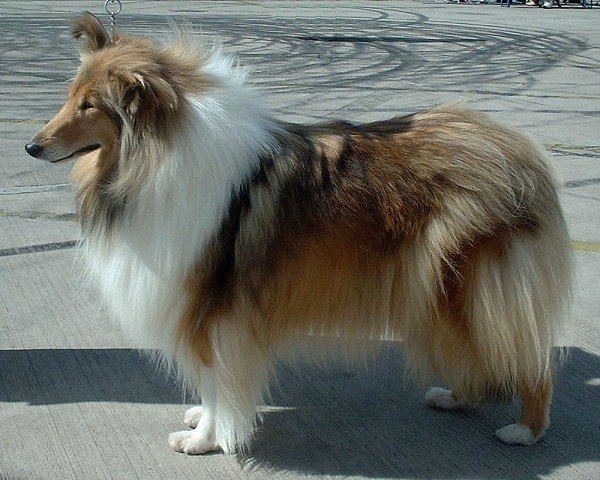
Lassie Come-Home is the story of a tricolour collie who crosses hundreds of miles of Scottish and English country to return to the boy she loves. In the Yorkshire mining village of Greenall Bridge, Lassie belongs to Sam Carraclough, and every man in the village agrees she is the finest collie he has ever seen. Every afternoon she trots through the village to wait at the school gate for Sam's son Joe at four o'clock. The rich old Duke of Rudling, who breeds show dogs, has tried for years to buy her, and Sam has always refused. But the pit closes, the family lives on the dole, and at last Sam sells Lassie to the Duke so that his wife and son can eat. Joe comes out of school to find no dog waiting, and his parents can hardly bring themselves to explain. At the Duke's kennels Lassie will not eat or respond, and the kennelman Hynes sneers that she has been spoiled in a cottage. When four o'clock comes she grows restless, and three times she escapes and appears at the school gate. Each time the Carracloughs, who are honest people, take her back; on one occasion Joe tells her sternly that she must not come home any more, and once he runs away with her to hide on the moor until his father finds them. To end the trouble the Duke takes Lassie with him to his estate in the Highlands of Scotland, hundreds of miles to the north. There his granddaughter Priscilla, who has seen what the dog means to Joe, lets her slip away. Lassie sets out south, guided only by instinct. She skirts a great loch, crosses mountains and moors, swims a cold river and falls ill, steals and hunts what food she can, and is chased by men who try to catch her. An old couple in a cottage, Dan'l and Dally Fadden, take her in and nurse her back to strength, then let her go when they see she is bound for somewhere. A travelling potter, Rowlie Palmer, shares the road and his meals with her for a time before she leaves him to keep going. Starved and lame, she crosses into England and at last drags herself to the school gate at Greenall Bridge. The Carracloughs nurse her and try to keep her hidden, but the Duke and Priscilla arrive. The Duke looks the dog over, sees perfectly well who she is, and declares that this is no dog of his. He then offers Sam the post of kennelman on his estate, with a cottage, so the family keeps both a living and Lassie. Knight's story first appeared in The Saturday Evening Post on 17 December 1938; he expanded it into this novel, published in 1940 by the John C. Winston Company with illustrations by Marguerite Kirmse.
Virtues in this work
- Fortitude: Lassie keeps walking south from the Highlands through hunger, storms, a cold river and lameness until she reaches the school gate.
- Justice: Sam Carraclough returns Lassie to the Duke every time she escapes, because she was honestly sold.
- Charity: Dan'l and Dally Fadden take in a starving stray collie, nurse her, and let her go when they see she must.
- Magnanimity: The Duke declares the returned dog is not his and gives Sam a kennelman's place, so the family keeps both Lassie and its pride.
Plot or Argument
- Chapters 1-2: Not for sale
Lassie's fame in Greenall Bridge and her daily walk to the school gate; the closing of the pit forces Sam Carraclough to sell her to the Duke of Rudling, and Joe learns she is gone.
- Chapters 3-5: Lassie comes home again
The irascible old Duke, his granddaughter Priscilla and the kennelman Hynes receive Lassie; she escapes and appears at the school gate, is returned, and escapes again, and Joe tells her painfully that she must not come home any more.
- Chapters 6-7: The hiding place on the moor
Joe hides with Lassie on the moor until his father finds them; Sam explains that the sale was honest and final, and the Duke takes the dog north.
- Chapter 8: A captive in the Highlands
At the Duke's Highland estate Lassie is kept penned and wretched; Priscilla, understanding her, gives her the chance to escape, and she turns south.
- The journey south
Lassie skirts lochs, crosses mountains, survives storms and hunger, swims a river and falls sick, and escapes men who try to catch her.
- The Faddens and Rowlie Palmer
An elderly couple, Dan'l and Dally Fadden, shelter and nurse her; later she travels for a time with the potter Rowlie Palmer before leaving him to continue.
- Homecoming
Exhausted and lame, Lassie reaches the school gate at Greenall Bridge; the Duke comes, refuses to recognize her as his, and hires Sam as his kennelman.
Characters
- Lassie, protagonist
Tricolour collie, the pride of Greenall Bridge, whose sense of home drives her across hundreds of miles.
- Joe Carraclough, Lassie's boy
Schoolboy whom Lassie meets at the gate every afternoon and who must learn to give her up.
- Sam Carraclough, Joe's father
Out-of-work Yorkshire miner who sells Lassie to feed his family and insists on returning her honestly.
- Mrs. Carraclough, Joe's mother
Sharp-tongued, practical mother who manages the household on the dole.
- The Duke of Rudling, buyer
Gruff, irascible old nobleman and dog fancier who has long wanted Lassie and proves generous at the end.
- Priscilla, the Duke's granddaughter
Girl who understands Joe's grief and helps Lassie get away in Scotland.
- Hynes, kennelman
The Duke's sour kennelman, who suspects the Carracloughs of training the dog to come home.
- Dan'l and Dally Fadden, old couple
Lonely elderly couple who nurse Lassie back to strength on her journey.
- Rowlie Palmer, travelling potter
Peddler with a cart and a little performing dog who befriends Lassie on the road.
Lessons
Honest when it hurts
The Carracloughs could keep Lassie each time she escapes, and no one would blame a hungry family much. Instead Sam takes her back, because she was sold and the money spent. Knight makes the poorest family in the book the most scrupulous.
- Why does Sam insist on returning Lassie to the Duke, even when Joe begs him not to?
- What does it cost Joe to tell Lassie not to come home any more?
- Was the sale of Lassie wrong, or only sad?
Faithfulness that keeps going
Lassie has no map and no master to guide her. She keeps turning south through hunger, sickness and danger because home is where Joe is. Her journey makes loyalty visible as endurance over time.
- What dangers does Lassie meet on the way, and which seems the worst?
- Why does Lassie leave the Faddens and Rowlie Palmer, who are kind to her?
Kindness from strangers
On the road Lassie is helped by people with little to spare: an old couple in a cottage and a peddler on foot. Each gives what they can and lets her go when it is time.
- What do Dan'l and Dally Fadden give Lassie, and what does she give them?
- Why is it hard for them to let her leave?
Generosity that saves face
At the end the Duke pretends not to recognize his own dog and offers Sam a job, so that the family can keep Lassie without charity or shame. Priscilla's mercy in Scotland and the Duke's tact at home show that the rich can be good neighbors.
- Why does the Duke say the dog is not his, when he knows it is?
- How does giving Sam a job solve more than one problem at once?
Context
The story is set in the 1930s, when the Great Depression closed many coal pits in the north of England and families lived on the government dole. In Yorkshire mining villages dogs, and especially fine collies, were a matter of fierce local pride. Knight, a Yorkshireman, writes the villagers' speech in dialect and sets their poverty and dignity against the wealth of a ducal estate and the wild country of the Scottish Highlands.
Composition
Knight first published Lassie Come-Home as a short story in The Saturday Evening Post on 17 December 1938, while he and his wife were raising collies on their farm in Pennsylvania. He expanded it into a novel, published in 1940 by the John C. Winston Company with illustrations by Marguerite Kirmse.
Reception
The novel was successful at once and won the Young Reader's Choice Award in 1943. MGM's 1943 film, starring Roddy McDowall as Joe and the dog Pal as Lassie, with Elizabeth Taylor in a small role, made Lassie one of the most famous animal characters in the world and led to further films and a long-running television series. Knight was killed in January 1943, before the film was released.
Comparisons
- the-call-of-the-wild
Both follow a dog taken from home and sold north; Buck answers the call of the wild, while Lassie answers the call of home and walks back to her boy.
- white-fang
London's wolf-dog has to learn love after years of cruelty, while Lassie's devotion is complete from the first page and is tested only by distance and hardship.
- where-the-red-fern-grows
Both are stories of a poor family, a boy and fiercely loyal dogs, in which money and hardship press on the bond between boy and animal.
- the-secret-garden
Burnett's Yorkshire novel shares Knight's moorland setting and Yorkshire dialect, and both set a great house beside the cottages of working people.
- black-beauty
Both carry an animal through a series of owners and helpers, good and bad, on the way back to the kind of home it deserves.
Quotes
Frequently cited
“Everyone in Greenall Bridge knew Sam Carraclough's Lassie.”
Frequently cited
“Ye're a come-homer. Ye're my Lassie Come-Home.”
For Students
A reading companion for classical Christian high school students. See the student guide.
Reading Guide
Watch for
- Lassie's sense of time: why four o'clock matters, both in Greenall Bridge and at the Duke's kennels.
- Each time Lassie comes home, and what the Carracloughs do about it.
- Priscilla, who says little but watches Joe and Lassie closely.
- The people who help Lassie on the road, and why each one lets her go.
- What the Duke says when he sees Lassie again at the end.
Key terms and names
- Greenall Bridge
- The Yorkshire mining village where Lassie lives with the Carraclough family.
- The dole
- Government payments to people without work; the Carracloughs live on it after the pit closes.
- Pit
- A coal mine. When the pit in Greenall Bridge shuts, Sam loses his work.
- Kennelman
- The man who looks after a household's dogs; Hynes at first, and Sam at the end.
- Highlands
- The mountainous north of Scotland, where the Duke takes Lassie to keep her from going home.
- Come-homer
- Joe's Yorkshire word for a dog that always finds its way back, which gives the book its title.
Seminar Questions
- Comprehension Why does Sam Carraclough sell Lassie to the Duke?
- Comprehension Where does Lassie go every time she escapes from the Duke's kennels, and at what time?
- Comprehension Who helps Lassie on her long journey home?
- Interpretation Joe tells Lassie never to come home again. Does he mean it? Why does he say it?
- Interpretation Why does Priscilla help Lassie escape, even though Lassie belongs to her grandfather?
- Interpretation At the end the Duke says the dog is not his. Is that a lie, a kindness, or both?
- Big Question What makes a place home? Is it the house, the people, or something else?
Faith Connections
- Luke 15:11-24 (Scripture)
In the parable of the prodigal son, a father runs to meet the child who comes home. Lassie's return to the school gate and Joe's joy echo the gladness of homecoming, though here it is the faithful one who has been far away.
- Exodus 20:15 (Scripture)
Thou shalt not steal. Sam returns Lassie each time she escapes because she now belongs to the Duke, and the family's honesty under hunger is the moral backbone of the early chapters.
- Ruth 1:16 (Scripture)
Ruth's whither thou goest, I will go is a picture of loyalty that will not be turned away. Lassie's long walk south shows the same stubborn faithfulness.
Logic and Rhetoric
Central argument: Lassie is sold honestly and returned honestly, so neither the Carracloughs nor the Duke can rightly keep her from the other by force. Her own faithfulness, proved by a journey of hundreds of miles, shows where she belongs. The Duke, seeing this, chooses generosity over his legal right, and his gift of work lets the family keep both their honor and their dog.
Rhetorical device: dialect. Knight writes the Carracloughs' speech in Yorkshire dialect, as in Joe's naming of Lassie in the final chapter (the book's second quote), so that the village's voice stays distinct from the Duke's estate.
Debate: Resolved: The Duke of Rudling was right to pretend he did not know his own dog.
Writing Prompts
Essay: Explain how three different people (Sam, Priscilla and the Duke) each act honestly or kindly toward Lassie, and which act matters most to the ending.
Comparison with The Call of the Wild: Buck and Lassie are both taken far from home. Compare where each one's journey leads and what each author thinks a dog's true home is.
Medical Lens
The medical content is slight and concerns the dog more than the people. Lassie's journey is a sustained picture of hunger, exhaustion and injury: she loses condition, goes lame, and after swimming a cold river becomes feverish and ill, and the Faddens' care of her is an ordinary cottage nursing of a sick animal. The family's own circumstances, a closed pit and life on the dole, give the background of 1930s want in English mining districts, though Knight does not dwell on illness among the villagers. Any veterinary reading of Lassie's illness is interpretive, since the novel describes it in lay terms.
- Journey chapters
Lassie swims a cold river and afterward falls sick and weak with fever.
- Journey chapters
Dan'l and Dally Fadden take the starved, sick collie into their cottage and nurse her until she is strong enough to go on.
- Final chapters
Lassie reaches Greenall Bridge thin, lame and nearly spent, and the Carracloughs nurse her back.
Creative Prompts
- Classroom
Draw a map from the Duke's estate in the Highlands to Greenall Bridge in Yorkshire and mark each place where Lassie meets danger or help.
- Fiction
Write the evening at the Faddens' cottage from Dally's point of view, on the night she realizes Lassie must be let go.
- Dialogue
Write the conversation between Priscilla and her grandfather after Lassie has disappeared from the Highland estate.
- Essay
Is the Duke of Rudling a good man? Use his behavior at the beginning and the end of the story to argue your answer.
Further Reading
- This Above All, Eric Knight
Knight's novel of wartime England, written for adults.
- The Call of the Wild, Jack London
Another dog taken north from home, with a very different ending.
- The Incredible Journey, Sheila Burnford
Two dogs and a cat cross the Canadian wilderness to reach their family.
Verification notes
Publication facts (Saturday Evening Post story of 17 December 1938; 1940 novel from the John C. Winston Company illustrated by Marguerite Kirmse; 1943 Young Reader's Choice Award; the 1943 MGM film) were checked at https://en.wikipedia.org/wiki/Lassie_Come-Home and https://www.fadedpage.com/showbook.php?pid=20181239. Knight's life (born Menston 10 April 1897, Canadian service in the First World War, collie farm in Pennsylvania, death in Dutch Guiana on 15 January 1943) was checked at https://en.wikipedia.org/wiki/Eric_Knight. Plot points (the closed pit and the dole, three escapes to the school gate, Joe's farewell, hiding on the moor, the Highland estate, Priscilla's help, the Faddens, Rowlie Palmer, the Duke's refusal to recognize the dog and his hiring of Sam as kennelman) were checked against https://www.ebsco.com/research-starters/literature-and-writing/lassie-come-home-eric-knight/, https://www.booksummary.net/lassie-come-home-eric-knight/ and the SuperSummary plot outline as shown in search results; the first eight chapter titles were read from the Canadian public-domain e-text at https://www.fadedpage.com/books/20181239/20181239.txt (used only to check wording and structure; no text is stored). The opening-sentence quote was confirmed verbatim in that e-text; the come-homer quote was confirmed at https://en.wikipedia.org/wiki/Lassie_Come-Home, which cites it from the final chapter. Both quotes are left unverified as required for a copyrighted work.
- Text is under copyright; check quotations against an authorized edition before publication.
- Chapter numbers after Chapter 8 and the order of journey episodes (storm, loch, river crossing and fever, men trying to catch her, the Faddens, Rowlie Palmer); only Chapters 1-8 titles were confirmed.
- Whether the Carracloughs deliberately disguise Lassie before the Duke's visit (one summary says Sam does), and the exact terms of the job and cottage the Duke offers.
- The sale price (fifteen pounds is given in one plot summary) and Joe's and Priscilla's ages.
- Straight-line distance of the journey (about 400 miles in one summary) and the location of the Duke's Highland estate.