Corrie ten Boom
1892–1983 · Dutch watchmaker whose family hid Jews from the Nazis; author of The Hiding Place.
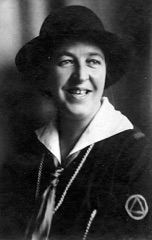
Cornelia ten Boom was born in Haarlem, the Netherlands, into a devout Christian family. Her father, Casper, was a watchmaker, and in 1922 Corrie became the first woman licensed as a watchmaker in the country. After Germany occupied the Netherlands in 1940, the ten Booms joined the Dutch resistance. They built a small secret room behind a false wall in Corrie's bedroom, and hid Jews and resistance workers there; the family helped many people escape. In February 1944 an informer betrayed them, and the Gestapo arrested the family, though the people hiding in the secret room were not found. Her father died within days in prison. Corrie and her sister Betsie were sent to the Ravensbrück concentration camp in Germany, where they held secret Bible readings. Betsie died there in December 1944, and Corrie was released shortly afterward because of a clerical error. After the war she opened a home for people recovering from the war and traveled to more than sixty countries speaking about forgiveness. Her book The Hiding Place appeared in 1971. She died in California on her ninety-first birthday in 1983.
Corrie ten Boom is also an author in the library: author page and works.
Faith: Raised a Calvinist Christian in the Dutch Reformed Church; her family's faith led them to shelter people in danger during the Second World War. Source: Wikipedia

Key dates
- 1922 First licensed woman watchmaker in the Netherlands
- 1942 Family begins hiding refugees
- 1944 Arrested; sent to Ravensbrück
- 1971 The Hiding Place published
- 1983 Dies in California
Record-breaker
Firsts and records, worded as the sources give them ("first known", "at the time").
- In 1922 she became the first woman licensed as a watchmaker in the Netherlands. (Source: Corrie ten Boom (Wikipedia))
Read about them
Grades 6–8
- The Hiding Place · In the library
More lives
Elisabeth Elliot · John Paul II · Martin Luther King Jr. · Nelson Mandela · Cicely Saunders