Work record
Island of the Blue Dolphins
1960 · Postwar Contemporary · Novel · English
Abstract
Background. O'Dell drew on the scant record of the Lone Woman of San Nicolas, a Nicoleño woman left on her island about 1835 and found eighteen years later, and imagined her story from the inside. It was his first book for children.
Plot. After Russian-led otter hunters kill her father and most of the men, Karana's people are evacuated, but she swims back to her brother, who soon dies. Alone, she defies the rule against women making weapons, attempts the crossing eastward and fails, then builds a fenced house, spares and tames the dog pack's leader, hunts octopus and seals, and wins the friendship of an Aleut girl. In later years she nurses an otter, renounces needless killing, adopts her dead dog's son, and finally sails to the mainland.
Themes. Endurance through daily work, the need for companionship, mercy toward enemies, reverence for animals, and the meaning of home. Because the girl tells her own story calmly, years afterward, the reader shares her solitude without panic and measures time by seasons, tides and moons.
Significance. It won the 1961 Newbery Medal, was filmed in 1964, gained a sequel in Zia, and remains among the most widely assigned survival tales in American schools, prized for Karana's quiet, exact voice.
Main characters
- Karana: Chief's daughter who survives for years alone on her island
- Ramo: Her small brother, for whose sake she stays behind
- Chowig: Her father, slain in the fight with the otter hunters
- Captain Orlov: Russian commander of the Aleut hunting party
- Rontu: Former leader of the wild dogs, spared and befriended
- Tutok: Aleut girl who becomes Karana's friend
- Rontu-Aru: Rontu's son, who leaves the island with her

Summary
Island of the Blue Dolphins is narrated by Karana, a girl of about twelve who lives in the village of Ghalas-at on a small island off the California coast in the early nineteenth century; her people call it the Island of the Blue Dolphins. A red-sailed ship brings Captain Orlov, a Russian, and a crew of Aleut hunters, who ask Karana's father, Chief Chowig, to let them take sea otter in exchange for goods. When the hunt ends and Orlov tries to sail off without paying fairly, a battle on the beach kills Chowig and most of the village's men. The new chief, Kimki, paddles east alone to look for a new home, and Matasaip leads the survivors until a ship of white men arrives to take them to the mainland. As the ship sails in a rising storm, Karana sees that her little brother Ramo has run back for his fishing spear, and she jumps overboard and swims ashore. Within days wild dogs kill Ramo, and Karana is alone. She breaks her people's law forbidding women to make weapons, fashions a bow, arrows and spear, and tries to cross to the mainland in a leaking canoe; when she turns back, a school of dolphins escorts her home. She builds a house on the headland behind a fence of whale ribs, stores food, and wounds the leader of the dog pack with an arrow, then nurses him back to health. She names him Rontu, and he becomes her companion. She hunts a giant devilfish, is injured attacking a sea elephant, and finds a cave for shelter. When the Aleuts return to hunt, she hides, but an Aleut girl, Tutok, finds her camp; slowly the two become friends, exchanging gifts and words, and Karana tells Tutok her secret name. After they go, Karana nurses a wounded young otter, whom she calls Mon-a-nee and renames Won-a-nee on learning she is a mother; she tames two birds, Tainor and Lurai, and resolves to kill no more animals except for need. Rontu dies of age, and she captures and tames his son, Rontu-Aru. An earthquake and great wave strike the island. At last a ship comes; Karana dresses in her cormorant-feather skirt and leaves with Rontu-Aru and her birds. At the mission in Santa Barbara, Father Gonzales tells her that the ship that carried her people away sank, which is why no one came back. Houghton Mifflin published the novel in 1960, and it won the 1961 Newbery Medal.
Virtues in this work
- Fortitude: Karana builds her house, makes her weapons and faces the wild dogs alone after Ramo's death, keeping on through years of solitude.
- Charity: Karana carries home and nurses the wounded leader of the dogs that killed her brother instead of finishing him with an arrow.
- Friendship: Karana overcomes her fear of the Aleuts and shares gifts and her secret name with Tutok.
- Industry: Karana stores food, builds a whale-rib fence and makes weapons, canoe repairs and clothing with her own hands to survive.
- Piety: Karana leaps from the ship and swims back to the island rather than leave her little brother Ramo alone.
Plot or Argument
- The Aleuts and the battle (Ch. 1-5)
Captain Orlov's ship arrives; the otter hunt, the dispute over payment, and the battle in which Chowig dies; Kimki sails east.
- Left behind (Ch. 6-8)
The white men's ship takes the people away; Karana leaps into the sea to stay with Ramo, who is soon killed by wild dogs.
- Weapons and the canoe (Ch. 9-11)
Karana makes weapons despite the old law, sets out east in a leaking canoe, turns back escorted by dolphins, and chooses the headland for a home.
- The house and Rontu (Ch. 12-15)
She builds a whale-rib fence and house, wounds the leader of the wild dogs, nurses him, and names him Rontu.
- Hunting and the cave (Ch. 16-19)
The sea elephant and the devilfish; she prepares the cave, tames birds, and lives through the seasons with Rontu.
- Tutok (Ch. 20-22)
The Aleuts return; the Aleut girl Tutok finds Karana, and the two become friends before the hunters sail away.
- Won-a-nee and Rontu-Aru (Ch. 23-27)
Karana nurses an otter and gives up needless killing; Rontu dies; she tames his son; the earthquake and great wave.
- The ship (Ch. 28-29)
Men arrive in a ship; Karana leaves the island with Rontu-Aru and her birds, and the dolphins swim beside the ship.
Characters
- Karana, narrator and protagonist
Daughter of Chief Chowig, who survives alone on the island for many years; her secret name is Won-a-pa-lei.
- Ramo, Karana's younger brother
A lively boy who runs back for his spear as the ship leaves and is killed by wild dogs.
- Ulape, Karana's older sister
Leaves on the ship with the rest of the people.
- Chief Chowig, Karana's father
Leader of Ghalas-at, killed in the battle with the Aleuts.
- Captain Orlov, Russian ship captain
Leader of the otter hunters who tries to leave without paying fairly.
- Kimki and Matasaip, later chiefs
Kimki sails east to find a new home; Matasaip leads the people until the ship arrives.
- Rontu, Karana's dog
Leader of the wild dog pack, wounded and then nursed by Karana, her faithful companion.
- Tutok, Aleut girl
Finds Karana's camp and becomes her friend during the hunters' second visit.
- Won-a-nee, sea otter
A wounded otter, first called Mon-a-nee, whom Karana nurses and watches raise her young.
- Rontu-Aru, Rontu's son
The young dog Karana tames after Rontu's death and takes to the mainland.
- Father Gonzales, priest at the Santa Barbara mission
Tells Karana what became of the ship that carried her people away.
Lessons
Courage without witnesses
No one sees Karana build her house, face the wild dogs or turn her canoe back to shore. Her courage is the steady kind that does each day's work, and the novel shows that bravery is often patient labor rather than one dramatic act.
- What is the hardest thing Karana does alone?
- Why does she decide to make weapons even though her people's law forbade women to make them?
- How does Karana keep going when she is lonely?
Mercy toward an enemy
Karana means to kill the leader of the dogs that killed Ramo, but when she finds him wounded she carries him home and nurses him. Rontu becomes her truest friend. Her mercy changes her own life as much as his.
- Why doesn't Karana kill the wounded dog?
- How is her life different after Rontu becomes her friend?
Friendship across a divide
The Aleuts killed Karana's father, and she hides from them. Yet Tutok, an Aleut girl, becomes her friend through small gifts and shared words. Karana learns that a person is more than the people she belongs to.
- Why is Karana afraid of Tutok at first?
- What does Karana give Tutok, and why does she tell her her secret name?
- Why does Karana miss Tutok after she leaves?
Care for creatures
After nursing the otter and watching her raise her young, Karana decides she will no longer kill animals except as she must for food and clothing. The book shows how caring for a creature changes the way a person sees all living things.
- What changes Karana's mind about hunting otters and birds?
- Is it right for Karana still to fish and gather food after she makes her decision?
Context
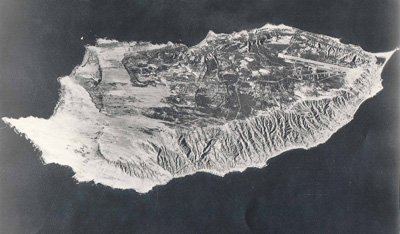
The novel is based on the life of the Lone Woman of San Nicolas Island, one of California's Channel Islands. Her people, the Nicoleño, had been reduced by violence with fur hunters, and when the survivors were taken to the mainland around 1835 she was left behind. She lived alone for about eighteen years until the otter hunter George Nidever found her in 1853 and brought her to Santa Barbara, where she was baptized Juana María and died about seven weeks later. Russian and Aleut hunters did work the California coast for sea otter in the early nineteenth century.
Composition
O'Dell, a Californian, built the story from the scanty historical record, giving the woman a name, a family and a full inner life. Houghton Mifflin published it in 1960. It was his first book for young readers.
Reception
The novel won the Newbery Medal in 1961 and the William Allen White Children's Book Award in 1963. A film version directed by James B. Clark appeared in 1964, and O'Dell wrote a sequel, Zia (1976), about Karana's niece. It has remained one of the most widely read survival stories for young readers.
Comparisons
- robinson-crusoe
The model of every island survival story: like Crusoe, Karana builds shelter, makes tools and tames animals, but she is at home on her island while Crusoe is a castaway in a strange one.
- my-side-of-the-mountain
Sam Gribley chooses to live alone in the Catskills and tames a falcon; Karana's solitude is forced on her, and her survival is a matter of life and death rather than adventure.
- the-swiss-family-robinson
A whole family makes a home on a deserted island; Karana must do the same work alone, which makes her friendships with animals the more important.
- the-sign-of-the-beaver
Matt, left alone in the Maine woods, learns to survive and befriends a boy of another people, as Karana befriends Tutok.
- the-call-of-the-wild
London's Buck moves from the human world to the wild pack; Rontu moves the other way, from leader of the wild dogs to Karana's companion.
Quotes
“I remember the day the Aleut ship came to our island.”
“Dolphins are animals of good omen.”
For Students
A reading companion for classical Christian high school students. See the student guide.
Reading Guide
Watch for
- The moment on the ship when Karana sees Ramo on the cliff and decides to jump into the sea.
- The old law that women may not make weapons, and how Karana thinks about breaking it.
- The dolphins that swim beside Karana's canoe, and again beside the ship at the end.
- How Karana's feelings about the wild dog pack change after she spares their leader.
- The gifts Karana and Tutok give each other, and the secret name Karana shares.
Key terms and names
- Ghalas-at
- Karana's village on the island, where her people lived until the ship took them away.
- Aleuts
- Hunters from islands far to the north who come with Captain Orlov to hunt sea otter around the island.
- Headland
- The high point of land where Karana builds her house and its fence of whale ribs.
- Devilfish
- Karana's name for a giant octopus, which she and Rontu hunt among the rocks.
- Secret name
- Among Karana's people each person had a secret name kept from strangers; Karana tells hers, Won-a-pa-lei, to Tutok.
- Cormorant-feather skirt
- The fine skirt Karana makes and wears when she leaves the island.
Seminar Questions
- Comprehension Why does Karana jump off the ship that is taking her people away?
- Comprehension What happens when Karana tries to paddle her canoe to the land in the east?
- Comprehension How does the wild dog Rontu become Karana's friend?
- Interpretation The Aleuts killed Karana's father. Why is she able to become friends with Tutok anyway?
- Interpretation Why does Karana stop hunting otters and birds after she nurses Won-a-nee?
- Interpretation Karana has a house, food and animal friends. What does she still miss most?
- Big Question Karana spares the dog that helped kill her brother. When is it right to show mercy to someone who has hurt us?
Faith Connections
- Genesis 2:18 (Scripture)
God says it is not good for man to be alone. Karana survives alone, but she finds she cannot live well without companions, first Rontu, then Tutok and her animal friends.
- Proverbs 12:10 (Scripture)
The proverb sets the just person's regard for an animal's life against the cruelty of the wicked. Karana's nursing of Rontu and the otter, and her vow after Won-a-nee to stop needless killing, are that regard put into practice.
- Luke 6:27-36 (Scripture)
Jesus teaches love for enemies and mercy like the Father's. Karana spares the wounded leader of the dogs and befriends an Aleut girl whose people killed her father.
- Psalm 104:24-26 (Scripture)
The psalmist praises God for the great and wide sea, full of creatures. Karana's island, with its dolphins, otters, sea elephants and birds, is the kind of world the psalm describes.
Logic and Rhetoric
Central argument: Left alone on her island, Karana can survive only by work, skill and courage, and she proves she has all three. But survival is not enough to make a life: she needs companionship. Through mercy to an enemy dog, friendship with an Aleut girl and care for wild creatures, she finds it. Therefore the novel shows that a person grows strong through hardship but becomes whole through love and mercy.
Rhetorical device: first-person retrospective narration. The opening sentence, in which Karana says she remembers the day the Aleut ship came, tells readers that she survived to tell her story and lets her look back calmly on events that were terrible at the time.
Debate: Resolved: Karana was right to jump off the ship and stay with Ramo.
Writing Prompts
Essay: Choose three animals Karana befriends or spares (Rontu, Won-a-nee, the birds) and explain how each one changes her.
Comparison with Robinson Crusoe: Karana and Robinson Crusoe both live alone on islands for many years. Compare how each one makes a home, and explain which one is less lonely and why.
Medical Lens
Medicine appears only as self-care and care for animals. Karana treats her own injuries alone, nurses Rontu through an arrow wound and later a wounded otter, and grieves for Ramo and later for Rontu. The historical Lone Woman behind the story died about seven weeks after reaching Santa Barbara in 1853, possibly from a change of diet, dysentery or new infections, a common fate of isolated peoples brought suddenly into contact with mainland disease; the novel's ending does not tell this.
- Chapters 13-14
Karana carries the wounded leader of the wild dogs home and tends the arrow wound until he recovers.
- Chapter 7-8
Ramo is killed by the wild dogs and Karana is left alone with her grief.
- Middle chapters (sea elephant hunt)
Karana is injured in her attack on a sea elephant and must recover alone in her shelter.
Creative Prompts
- Classroom
Make a list of everything Karana builds or makes on the island, what she makes it from, and why she needs it.
- Fiction
Tell the day Tutok first finds Karana's camp from Tutok's point of view.
- Poetry
Write a short poem Karana might sing to the dolphins as they swim beside her canoe.
- Dialogue
Write the conversation between Karana and Father Gonzales at the Santa Barbara mission, once she has learned enough words to ask about her people.
Further Reading
- Zia, Scott O'Dell
The 1976 sequel, told by Karana's niece.
- Sing Down the Moon, Scott O'Dell
- Robinson Crusoe, Daniel Defoe
Verification notes
Publication (Houghton Mifflin, 1960), the 1961 Newbery Medal, the 1963 William Allen White award, the 1964 film and the sequel Zia (1976) were checked at en.wikipedia.org/wiki/Island_of_the_Blue_Dolphins. Facts about the Lone Woman (about eighteen years alone, Nidever's rescue in 1853, arrival in Santa Barbara, baptism as Juana María, death about seven weeks later) were checked at nps.gov/subjects/islandofthebluedolphins/life-on-the-mainland.htm. The opening sentence was confirmed in the Library of Congress sample text at catdir.loc.gov/catdir/enhancements/fy0627/2005285143-s.html. The dolphin sentence was confirmed in the study guide at shmoop.com (cited as 10.35) and agrees with other quotation pages; check it against the book. Character names (Tainor, Lurai, Won-a-nee, Rontu-Aru, Father Gonzales) were checked against study-guide summaries in search results. Chapter ranges in plotOrArgument are approximate.
- Text is under copyright; check quotations against an authorized edition before publication.
- Chapter ranges given in plotOrArgument and medicalLens passages.
- Order of the sea elephant and devilfish episodes and the chapter of the earthquake.
- Karana's age at the opening (about twelve).
- Number of years the novel's Karana is alone (the historical Lone Woman was alone about eighteen).