Work record
The Cricket in Times Square
1960 · Postwar Contemporary · Novel · English
Abstract
Background. Selden, a Connecticut-born writer living in Manhattan, built his first novel around a chirp he heard underground at Times Square; Garth Williams, fresh from Charlotte's Web, supplied the drawings.
Plot. A cricket stowed away in a picnic hamper is adopted by the boy who minds his parents' failing paper stand. With a mouse and a cat for guides he learns the station's ways, survives eating half of a banknote and setting off a blaze, and wins the doubting mother with a melody copied from the radio. A teacher's letter to the newspaper turns him into a celebrity whose performances pack the concourse, until the turning season draws him back to the countryside.
Form. Each of the fifteen chapters carries a short title, often a name or a place, and the telling alternates between the animals' conversations in the drain pipe and the human family's money worries behind the counter of the stand. The opening line looks at the boy through the mouse's eyes.
Themes. Generous friendship among unlikely companions, a gift spent for the good of others, the cost of celebrity, and the pull of one's native place against the excitement of the city.
Significance. A Newbery Honor Book of 1961, it launched a seven-book series about the three friends, was animated for television by Chuck Jones in 1973, and remains a favorite read-aloud in the middle grades.
Main characters
- Chester Cricket: Meadow cricket from Connecticut with an unexpected musical gift
- Tucker Mouse: Drain-pipe scavenger proud of his hoard of coins
- Harry Cat: Tucker's steady, good-humored partner
- Mario Bellini: Newsstand boy who adopts the cricket
- Mama Bellini: Anxious mother who mistrusts insects
- Papa Bellini: Easygoing father who allows the pet
- Sai Fong: Chinatown merchant who supplies cage and mulberry leaves
- Mr. Smedley: Music teacher who alerts the Times to Chester

Summary
The Cricket in Times Square is set at a newsstand in the Times Square subway station in New York City at the end of one summer. The stand belongs to the Bellini family: Papa, Mama, and their son Mario, who keeps it open late in the hope of selling a few more papers, because business is poor. Tucker Mouse, a quick-talking scrounger who lives in an abandoned drain pipe and hoards a pile of coins he calls his life savings, watches Mario from the mouth of his pipe. One night Mario hears a chirp and finds Chester, a cricket from a Connecticut meadow who followed the smell of liverwurst into a picnic basket and was carried into the city on a train. Mario makes him a bed in a matchbox, and over Mama's objections Papa lets him stay. Chester makes friends with Tucker and with Tucker's companion, Harry Cat, and the three climb up to look at the lights of Times Square. In Chinatown Mario buys a small Chinese cricket cage with a silver bell from the shopkeeper Sai Fong, who tells him an old legend about crickets and later sends him home with mulberry leaves. Chester, dreaming one night, nibbles half of a two-dollar bill left in the stand, and Tucker gives up his life savings so that the money can be replaced. Later, when the three friends celebrate in the newsstand, Tucker knocks over a box of matches and the stand catches fire; Mama declares the cricket a jinx and wants him gone. Then Chester, who has found that he can chirp any music he hears on the radio, plays Mama's favorite Italian song, and she relents. Mr. Smedley, a music teacher who buys his magazines at the stand, hears him and writes to the music editor of the New York Times; soon crowds gather in the station for Chester's concerts and the Bellinis sell all their papers. But Chester tires of performing on schedule, and as the leaves begin to turn he longs for his meadow. After a last concert that stops Times Square in its tracks, Tucker and Harry put him on a train at Grand Central Station bound for Connecticut. Mario wakes to find him gone and is glad for him. Published in 1960 with drawings by Garth Williams, the book was named a Newbery Honor Book in 1961.
Virtues in this work
- Charity: Tucker hands over his treasured life savings to pay for the two-dollar bill Chester ate.
- Friendship: Harry and Tucker take Chester to Grand Central and see him off, though they wanted him to stay.
- Humility: Famous across the city, Chester gives up the crowds and returns to an ordinary life in his meadow.
Plot or Argument
- Chapters 1-4: Tucker; Mario; Chester; Harry Cat
Tucker Mouse watches Mario keeping the struggling newsstand open late. Mario finds Chester, the cricket carried in from Connecticut in a picnic basket, and settles him in a matchbox. That night Chester meets Tucker and Harry Cat, and the friends go up to see Times Square.
- Chapters 5-7: Sunday Morning; Sai Fong; The Cricket Cage
Chester learns the routines of the stand and the Bellini family. Mario goes to Chinatown, meets the shopkeeper Sai Fong, hears an old Chinese legend about crickets, and brings home a little cage with a silver bell.
- Chapters 8-9: Tucker's Life Savings; The Chinese Dinner
Chester eats half a two-dollar bill in his sleep and must stay caged until it is repaid; Tucker gives up his hoard to make good the loss. Mario brings home mulberry leaves from Sai Fong, and Chester at last gets the kind of dinner a cricket likes.
- Chapters 10-11: The Dinner Party; The Jinx
A celebration in the newsstand ends when Tucker knocks over the matches and starts a fire. Mama calls the cricket a jinx, but Chester, who has been learning music from the radio, chirps her favorite song and wins her over.
- Chapters 12-13: Mr. Smedley; Fame
A music teacher hears Chester and writes to the New York Times. Crowds come for twice-daily concerts, the Bellinis prosper, and Chester grows weary of fame and homesick as autumn approaches.
- Chapters 14-15: Orpheus; Grand Central Station
Chester gives a farewell concert that brings Times Square to stillness, spends a last evening with Mario, and leaves with his bell on a train from Grand Central, seen off by Tucker and Harry, who talk of visiting him next summer.
Characters
- Chester Cricket, protagonist
Country cricket from Connecticut who discovers in the city that he can play any music he hears.
- Tucker Mouse, Chester's friend
Fast-talking subway mouse who lives in a drain pipe and gives up his treasured life savings for Chester.
- Harry Cat, Tucker's companion
Calm, sensible cat who lives with Tucker and supports Chester's choice to go home.
- Mario Bellini, newsstand boy
The Bellinis' son, who finds Chester, cares for him and lets him go.
- Mama Bellini, Mario's mother
Worried and suspicious of bugs, she blames the cricket for the fire until his music moves her.
- Papa Bellini, Mario's father
Gentle newsstand owner who lets Mario keep the cricket.
- Sai Fong, Chinatown shopkeeper
Sells Mario the cricket cage, tells him about crickets and shares mulberry leaves.
- Mr. Smedley, music teacher
Regular customer who hears Chester play and writes to the New York Times about him.
Lessons
Friends who give up something
Tucker loves his life savings more than almost anything, yet when Chester is in trouble over the two-dollar bill he hands it over. Harry, who wants Chester to stay, still helps him leave. Friendship in this book is measured by what each friend is willing to give.
- Why was it so hard for Tucker to give away his life savings?
- Harry did not want Chester to leave. Why did he help him go anyway?
- Which friend in the book would you most like to have, and why?
A gift used to help others
Chester's music first saves him from Mama's anger and then rescues the Bellinis' failing newsstand. His talent is not something to show off but something that does good for the family that took him in.
- How did Chester's music change Mama's mind about him?
- How did the concerts help the Bellini family?
Fame is not the same as happiness
At the height of his success Chester is tired and homesick. He chooses the quiet meadow over the crowds, and Mario, who loves him, lets him go. The book shows that doing what is right for a friend can mean giving him up.
- Why was Chester unhappy even though everyone loved his concerts?
- How did Mario feel when he found Chester gone, and why?
Country mouse and city mouse
Chester sees the city with country eyes, and Tucker and Harry see the country only in Chester's stories. Each learns to admire the other's home without giving up his own.
- What did Chester find wonderful about Times Square, and what did he miss about Connecticut?
- Would you rather live in Chester's meadow or Tucker's drain pipe? Why?
Context
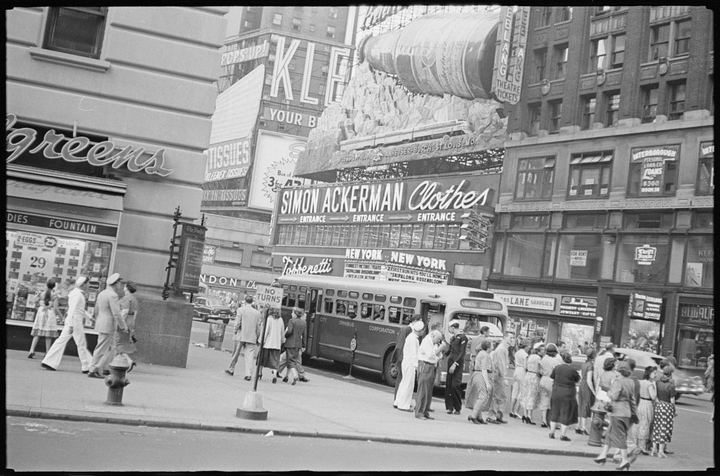
The book is set in the busy underground world of the Times Square subway station, with its newsstands, lunch counters and shuttle to Grand Central, in the New York of the 1950s. The Bellinis are an Italian-American family whose small stand depends on selling papers and magazines to commuters, and Mario's errand to Chinatown shows another of the city's immigrant neighborhoods, where cricket cages and mulberry leaves keep alive an old Chinese custom of keeping crickets for their song.
Composition
Selden said the story began when he heard a cricket chirp in the Times Square station late one night. The book was published in 1960 by Ariel Books with illustrations by Garth Williams, who had recently illustrated Charlotte's Web.
Reception
It was named a Newbery Honor Book in 1961 and became the first of seven books about Chester, Tucker and Harry, among them Tucker's Countryside (1969) and The Old Meadow (1987). Chuck Jones made an animated television adaptation in 1973.
Comparisons
- charlottes-web
Garth Williams drew the animals of both books, and in both a small creature with a rare gift, Charlotte's writing and Chester's music, draws crowds and saves a friend.
- aesops-fables
The fable of the town mouse and the country mouse lies behind the friendship of the meadow cricket and the subway mouse, each loyal to his own kind of home.
- the-wind-in-the-willows
Mole's sudden longing for his old home in Grahame's Dulce Domum chapter is the same homesickness that sends Chester back to his meadow, and both books turn on animal friendship.
- mr-poppers-penguins
In both books a family short of money is rescued when unusual animals become a public sensation, and in both the animals finally return to where they belong.
- the-borrowers
Both imagine a hidden world of small creatures living unseen in the corners of a human household, the drain pipe and the newsstand in one, the floorboards in the other.
Quotes
Frequently cited
“A mouse was looking at Mario.”
For Students
A reading companion for classical Christian high school students. See the student guide.
Reading Guide
Watch for
- Tucker's life savings in the drain pipe. Notice how much he talks about it before Chapter 8 and what he does with it there.
- The silver bell on the cricket cage from Sai Fong's shop. Watch what happens to it at the very end.
- Each time Chester learns a new piece of music from the radio, and who he plays it for.
- Chester's feelings as the weather turns cooler in the last chapters, and what the leaves remind him of.
Key terms and names
- Newsstand
- A small booth that sells newspapers and magazines. The Bellinis' stand in the subway station is losing money until Chester's concerts bring crowds.
- Times Square
- A famous, crowded square of lights and theaters in New York City. The subway station under it is where most of the story happens.
- Life savings
- Money saved up over a long time. Tucker's is a pile of coins and scraps he has collected in his drain pipe.
- Cricket cage
- A tiny decorated cage for a singing cricket, an old Chinese custom. Mario buys one with a bell for Chester in Chinatown.
- Mulberry leaves
- Leaves from the mulberry tree. Sai Fong tells Mario that crickets like them better than the food Mario had been giving Chester.
- Jinx
- Someone or something people blame for bad luck. Mama calls Chester a jinx after the fire in the newsstand.
- Orpheus
- A singer in old Greek stories whose music could charm animals, trees and stones. Chester's last concert is compared to his music.
Seminar Questions
- Comprehension How did Chester get all the way from Connecticut to the Times Square subway station?
- Comprehension What did Chester eat by mistake, and how did Tucker help fix the problem?
- Comprehension What started the fire in the newsstand, and who got the blame?
- Interpretation Mama did not like bugs and wanted Chester gone. Why did his song change her mind?
- Interpretation Chester became famous, but he was not happy. What was missing?
- Interpretation Mario loved Chester. Why do you think he was glad, and not angry, when he found Chester gone?
- Big Question Is it ever right to let a friend go away, even when you will miss him? How do you know when?
Faith Connections
- Psalm 150:6 (Scripture)
Let every thing that hath breath praise the Lord. Chester's song, a gift he did not know he had, fills a busy station and stops a whole city to listen.
- Proverbs 17:17 (Scripture)
A friend loveth at all times. Tucker gives up his life savings and Harry helps Chester leave, even though neither gains anything from it.
- Ecclesiastes 3:1 (Scripture)
To every thing there is a season. When autumn comes Chester knows that his time in the city is over and his time for the meadow has come.
- 1 Peter 4:10 (Scripture)
As every man hath received the gift, even so minister the same one to another. Chester uses his music to win back Mama and to save the Bellinis' newsstand.
Logic and Rhetoric
Central argument: Chester is a stranger in the city with a gift he did not know he had. His friends, animal and human, protect him, and his gift repays them by rescuing the Bellinis. But fame takes away the freedom that made him sing, and home calls him back. So a true friend's love includes letting him return where he belongs, as Mario, Tucker and Harry finally do.
Rhetorical device: shifting point of view. The book opens with the sentence A mouse was looking at Mario, so the reader first sees the boy through Tucker's eyes, and the story moves back and forth between the animals' talk in the drain pipe and the Bellinis' worries at the stand.
Debate: Resolved: Chester was right to leave New York and go home to Connecticut.
Writing Prompts
Essay: Choose Tucker, Harry or Mario and explain what that character gave up for Chester. Use at least two events from the book.
Comparison with Charlotte's Web: Charlotte saves Wilbur, and Tucker and Harry help Chester. Compare the two friendships and tell which friend gave up more.
Medical Lens
No medical content of note. Chester's exhaustion and loss of joy under a schedule of daily concerts, and his homesickness as autumn comes, are told as a children's story about fame and home rather than as illness.
Creative Prompts
- Classroom
Play a short recording of a cricket and then of the sextet from Lucia di Lammermoor, and ask the class to imagine how the crowd in Times Square felt during Chester's last concert.
- Fiction
Write a letter from Chester, back in his Connecticut meadow, to Tucker and Harry in the drain pipe, telling them what they would see if they came to visit.
- Dialogue
Write the conversation in which Harry Cat persuades Tucker Mouse to give up his life savings for Chester.
- Classroom
Draw a map of the subway station with the newsstand, Tucker's drain pipe, the stairs up to Times Square and the way to Grand Central, and mark where each chapter happens.
Further Reading
- Tucker's Countryside, George Selden
The 1969 sequel, in which Tucker and Harry visit Chester's meadow.
- Charlotte's Web, E. B. White
- Stuart Little, E. B. White
Another New York animal story for the same age.
Verification notes
Chapter titles were checked against a library catalog contents note found by web search; plot details against https://en.wikipedia.org/wiki/The_Cricket_in_Times_Square, the GradeSaver chapter summaries (https://www.gradesaver.com/the-cricket-in-times-square/study-guide/summary-chapters-13-15) and the EBSCO Research Starter on the book. Author facts (George Selden Thompson, Hartford 1929-1989, Yale 1951, Fulbright year in Rome) and the Newbery Honor of 1961 were checked in the same sources. The single quotation, the book's first sentence, was confirmed in a Google Books snippet of the novel (https://www.google.com/books/feeds/volumes?q=%22A+mouse+was+looking+at+Mario%22); it is the first sentence of a longer opening and is trimmed at its full stop.
- Text is under copyright; check quotations against an authorized edition before publication.
- Whether Sai Fong himself or another person in the shop tells Mario the Chinese legend about crickets, and what the legend recounts.
- Exact sequence of the matchbox, the cage and the Chinese meal in Chapters 3-9.
- Identification of Mama's favorite song as 'Come Back to Sorrento' (reported in study guides) and of the final concert piece as the sextet from Lucia di Lammermoor.
- First-edition publisher details (Ariel Books, an imprint of Farrar, Straus and Cudahy).