Work record
The Mabinogion
11th-14th century (manuscripts c. 1350-1410) · Medieval · Collection · Welsh
Abstract
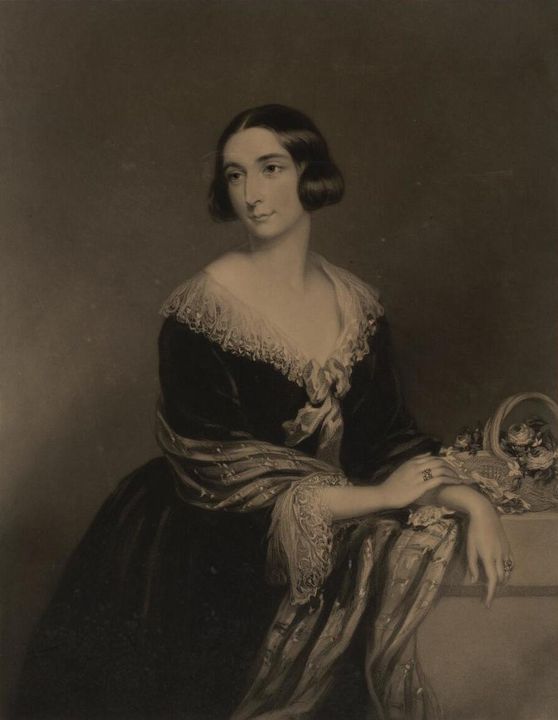
Background. Professional Welsh storytellers shaped these narratives orally before scribes fixed them in two fourteenth-century codices. A Lincolnshire-born ironmaster's wife who had taught herself Welsh rendered them into English in Victorian Glamorgan, issuing them serially with copious notes.
Narrative. Four linked branches follow the house of Dyved and its neighbours: an exchange of kingdoms with the lord of Annwvyn, a disastrous Irish marriage ending in mutual slaughter, a land emptied by mist and saved by a mouse, and a magician's schemes culminating in a bride conjured from blossoms. Around them stand a wooing achieved through a giant's impossible labours, three knightly romances, two prophetic dreams, a tale of national plagues, and a bard's miraculous rebirth.
Structure. Guest placed the knightly romances first and the mythological branches later, and appended Taliesin's story from a far younger manuscript tradition. Each branch closes with a formula marking its end, while the native tales repeatedly pause to account for why a stone, ford or hill bears its name.
Themes. Faithfulness between hosts and guests, the testing of marriages, shape-changing as punishment, and the origins of Welsh place-names recur, with restraint and courtesy honoured as much as prowess.
Significance. The collection is the chief witness to native Welsh legend and to a Celtic Arthur older than the French court of Camelot. Guest's version shaped Tennyson's Idylls and, later, fantasy by Garner and Alexander, and her chosen title still names the cycle.
Main characters
- Pwyll: prince of Dyved who rules the otherworld for a year
- Rhiannon: otherworldly bride, falsely accused, patiently vindicated
- Bendigeid Vran: giant king whose severed head comforts his men
- Branwen: Welsh princess wed to Ireland's king
- Manawyddan: craftsman-hero who lifts an enchantment by bargaining
- Gwydion: magician and trickster of Gwynedd
- Llew Llaw Gyffes: Arianrod's son, betrayed by a wife made of blossoms
- Kilhwch: Arthur's cousin seeking the giant's daughter Olwen
- Owain, Peredur and Geraint: Arthurian knights of the three Welsh romances
- Taliesin: reborn poet who outsings a king's bards

Summary
The Mabinogion is the name given to eleven medieval Welsh prose tales, preserved mainly in the White Book of Rhydderch and the Red Book of Hergest, together with the Tale of Taliesin, which Lady Charlotte Guest added from a later source. The library text is Guest's translation in the one-volume form, with her introduction and a few of her notes; it follows her order, opening with the three Arthurian romances. In The Lady of the Fountain, Owain hears Kynon's tale of a fountain guarded by a black knight, wins the knight's widow with the help of the maiden Luned, forgets his wife at Arthur's court, wanders wasted among wild beasts, is healed with a balsam, gains a lion as companion and rescues Luned from burning. Peredur the son of Evrawc, raised by his mother far from arms, rides to Arthur's court in rustic simplicity, sees a bleeding lance and a head on a salver in his uncle's hall, and at last destroys the witches of Gloucester. Geraint the son of Erbin wins Enid at a sparrow-hawk contest, then doubts her when he overhears her grieving that he has grown idle, and forces her to ride before him in silence until her loyalty is proved. Kilhwch and Olwen is the oldest Arthurian prose tale: Kilhwch, cursed by his stepmother to marry no one but Olwen, daughter of the giant Yspaddaden Penkawr, enlists Arthur and his men to perform the giant's impossible tasks, among them freeing Mabon son of Modron with help from the oldest animals and hunting the boar Twrch Trwyth. In the Dream of Rhonabwy a twelfth-century soldier, asleep on a calf-skin, sees Arthur playing a board game with Owain while their men and Owain's ravens fight. The Four Branches form the core. Pwyll, Prince of Dyved, changes places for a year with Arawn, a king of Annwvyn, and wins Rhiannon, who is falsely accused when their newborn son vanishes; the boy returns as Pryderi. In Branwen the daughter of Llyr, Branwen's marriage to Matholwch of Ireland ends in war; her giant brother Bendigeid Vran lies down as a bridge for his army, Evnissyen breaks the cauldron of renovation, and Bran's severed head keeps the seven survivors company for eighty-seven years. Manawyddan endures the enchantment of Dyved by humble crafts and patience, and ends it by catching a mouse. Math the son of Mathonwy tells of Gwydion's tricks, Arianrod's curses on her son Llew Llaw Gyffes, the flower-wife Blodeuwedd, her betrayal, Llew's escape as an eagle and her change into an owl. The Dream of Maxen Wledig, the Story of Lludd and Llevelys, and Taliesin's tale of the cauldron of Caridwen and the poet's rebirth complete the book.
Virtues in this work
- Honor: Pwyll lies beside Arawn's wife every night of his year in Annwvyn without touching her, keeping faith with a friend who will never see what he does.
- Magnanimity: Bendigeid Vran lies down across the river so that his whole host can cross over his body.
- Prudence: Manawyddan leaves each English town rather than fight the jealous craftsmen, and wins back Dyved by a patient bargain over a captured mouse.
- Fortitude: Rhiannon bears seven years of penance at the horse-block for a crime she did not commit until Teirnyon restores her son.
- Charity: Enid keeps warning Geraint of danger on their silent journey though he has forbidden her to speak, staying loyal to a husband who doubts her.
Plot or Argument
- Introduction
Guest argues that the Welsh tales preserve an older Celtic stock behind the chivalric romances of medieval Europe, and explains the manuscripts she used.
- The Lady of the Fountain
Kynon's failed adventure at the fountain; Owain's victory over the black knight, his escape through Luned's ring of invisibility and his marriage to the Countess; his three years' neglect of her, his wandering in the wild, his cure, his lion, his rescue of Luned and his return with his lady to Arthur.
- Peredur the Son of Evrawc
A widow's son raised in the forest away from arms becomes a knight; he avenges an insult to Gwenhwyvar, learns courtesy from his uncles, sees the lance and the head on the salver, meditates on raven, snow and blood, serves an empress, and finally learns that the witches of Gloucester killed his kinsman.
- Geraint the Son of Erbin
Geraint follows a knight whose dwarf struck Gwenhwyvar's maiden, wins Enid, daughter of Earl Ynywl, and restores her father's lands. Later, misreading Enid's lament over his idleness, he takes her on a harsh journey; she keeps warning him of danger, he is wounded and seemingly dies, and in the end he ends the enchanted game behind the hedge of mist.
- Kilhwch and Olwen
Kilhwch claims a boon of his cousin Arthur, naming a long catalogue of heroes; Kai, Bedwyr, Gwalchmai and others seek Olwen; Yspaddaden Penkawr sets dozens of tasks; the oldest animals lead to the prison of Mabon; the hunt of Twrch Trwyth crosses Ireland, Wales and Cornwall; the giant is shaved and slain, and Kilhwch marries Olwen.
- The Dream of Rhonabwy
In the time of Madawc son of Maredudd of Powys, Rhonabwy sleeps three nights in a filthy hovel and dreams of Iddawc, who caused the battle of Camlan, of Arthur's host before the battle of Badon, and of the game between Arthur and Owain while their men and ravens fight; the tale ends by saying no one knows the dream without a book.
- The First and Second Branches: Pwyll and Branwen
Pwyll rules Annwvyn for a year in Arawn's shape and keeps faith with Arawn's wife; he wins Rhiannon from her suitor Gwawl; she bears penance at the horse-block until Teirnyon restores her son. Branwen's marriage, Evnissyen's insult, her humiliation in Ireland, the starling that carries her letter, the war, the breaking of the cauldron, Bran's head at Harlech and Gwales, and Branwen's death of grief.
- The Third Branch: Manawyddan
Manawyddan marries Rhiannon; a mist empties Dyved; he and Pryderi work as saddlers, shield-makers and shoemakers in Lloegyr until jealous craftsmen drive them out; Pryderi and Rhiannon are trapped by a golden bowl; Manawyddan catches a mouse among his wheat and bargains with the enchanter Llwyd son of Kilcoed until the land is restored.
- The Fourth Branch: Math
Gwydion tricks Pryderi out of the swine of Annwvyn and kills him in single combat; Math punishes Gwydion and Gilvaethwy for wronging Goewin; Arianrod lays three destinies on her son, which Gwydion outwits; Blodeuwedd, made of flowers, plots with Gronw Pebyr; Llew is struck and flies off as an eagle, is found and healed, and Gronw dies behind the stone still called Llech Gronw.
- The Dream of Maxen Wledig and Lludd and Llevelys
The emperor of Rome dreams of a maiden in Arvon, sends envoys to find Helen, and marries her; her brothers Kynan and Adeon win back Rome for him, and Kynan settles Armorica. Lludd, king of Britain, rids the island of three plagues, the Coranians, a May-eve shriek caused by two fighting dragons, and a giant who steals the royal provisions, on the counsel of his brother Llevelys.
- Taliesin
Gwion Bach tastes three drops from Caridwen's cauldron of inspiration, flees her through many shapes, is reborn and cast adrift in a leather bag, and is found in a weir by Elphin, whom he later frees from the prison of Maelgwn Gwynedd by defeating the king's bards in song.
Characters
- Pwyll, Prince of Dyved
Changes places with Arawn of Annwvyn for a year, keeps faith with him, and wins Rhiannon.
- Rhiannon, Pwyll's wife
A lady of otherworldly power who outrides every horseman and bears a false accusation with patience.
- Pryderi, son of Pwyll and Rhiannon
Lost on the night of his birth and restored by Teirnyon; appears in all four branches.
- Bendigeid Vran, giant king of the Island of the Mighty
Branwen's brother, who lies down as a bridge for his host and whose severed head keeps company with his men.
- Branwen, daughter of Llyr
Married to the Irish king Matholwch, humiliated in his court, and dead of grief at the war fought over her.
- Evnissyen, Branwen's half-brother
Quarrelsome kinsman whose insults cause the war and whose self-sacrifice breaks the cauldron of renovation.
- Manawyddan, son of Llyr
Patient craftsman and peacemaker who undoes the enchantment of Dyved by wit rather than force.
- Gwydion, magician, nephew of Math
Storyteller and trickster who starts a war by deceit, then shapes a life for his nephew Llew.
- Llew Llaw Gyffes, Arianrod's son
Denied name, arms and wife by his mother, given all three through Gwydion, and betrayed by Blodeuwedd.
- Blodeuwedd, wife made of flowers
Formed by Math and Gwydion from oak, broom and meadow-sweet; plots Llew's death and is turned into an owl.
- Owain, knight of Arthur
Wins the Lady of the Fountain, neglects her, wanders mad with grief, and returns with a lion.
- Peredur, son of Evrawc
Forest-bred youth who becomes Arthur's knight and avenges his kin on the witches of Gloucester.
- Geraint and Enid, knight and wife
A married pair whose trust breaks and is restored on a perilous journey.
- Kilhwch, Arthur's cousin
Suitor of Olwen who must achieve the giant Yspaddaden's impossible tasks.
- Olwen, daughter of Yspaddaden Penkawr
The giant's daughter, so fair that white trefoils spring up where she walks.
- Arthur, king
A warlord leading a band of wonder-working heroes in Kilhwch and Olwen and Rhonabwy, and a court king in the romances.
- Taliesin, poet
Gwion Bach reborn after tasting Caridwen's cauldron, the chief bard who frees his master Elphin.
Lessons
Let the chief be a bridge
When the Irish break the bridge over the river, Bendigeid Vran lies down across it and his host passes over him on hurdles, and the tale says the saying became a proverb. Leadership here is the willingness to bear others' weight. The same branch shows the opposite in Evnissyen, whose touchy pride twice brings ruin on his people.
- What does Bran gain, and what does he risk, by becoming the bridge?
- How does Evnissyen's pride differ from Bran's sense of honour, and how does Evnissyen try to make amends at the cauldron?
- Where have you seen leaders who carry others rather than ride on them?
Keeping faith when no one is watching
Pwyll rules Annwvyn for a year in Arawn's form and shares a bed with Arawn's wife, yet never touches her; Arawn learns of it only from her. The First Branch makes this hidden loyalty the ground of a lasting friendship between the two kings and of Pwyll's new title, Chief of Annwvyn.
- Why does Arawn's wife at first think her husband no longer loves her?
- What does Arawn decide about Pwyll once he learns the truth?
- Why might the storyteller place this test of faithfulness at the very start of the Four Branches?
Patience under false accusation
When her infant vanishes, Rhiannon's women save themselves by accusing her of killing him, and she accepts seven years of penance, offering to carry guests on her back from the horse-block. Teirnyon's honesty in returning the boy ends her disgrace. Branwen too is punished in Ireland for a wrong she did not do. Both stories set quiet endurance against public shame.
- Why does Rhiannon accept a penance rather than argue with the women?
- What makes Teirnyon decide to return the boy he has raised as his own?
- How does Branwen respond to her humiliation in Matholwch's court, and how does her starling change the story?
Wisdom over force: Manawyddan
In the Third Branch Manawyddan repeatedly refuses to fight: he leaves each English town rather than kill the jealous craftsmen, will not rush into the enchanted fort, and wins back Dyved by a patient bargain over a captured mouse. The tale prizes prudence, skill with the hands and restraint in a hero.
- Why does Manawyddan keep moving on instead of fighting the craftsmen, as Pryderi wants?
- What does Manawyddan's quarrel with the bishop over the mouse reveal about his method?
- Is Manawyddan less heroic than Bran or Owain? Why or why not?
Trust in marriage: Geraint and Enid
Geraint misreads Enid's tears and makes her ride ahead in silence, but each time danger comes she warns him at the cost of his anger. Her loyalty is shown in deeds, and the tale treats his suspicion as the real danger to the marriage.
- What exactly does Geraint overhear, and what does he wrongly conclude?
- Why does Enid keep speaking when she has been ordered to be silent?
- What finally convinces Geraint of her faithfulness?
Context
The tales come from medieval Wales, a land of rival princedoms such as Gwynedd, Powys and Deheubarth, where professional storytellers and court poets kept genealogy, place-lore and legend. They are set in a legendary Britain called the Island of the Mighty, with Annwvyn, the otherworld, close at hand, and they explain many place-names in Dyved, Gwynedd and Arvon. The Arthurian tales show an older Welsh Arthur leading a band of marvellous warriors, as well as the court king familiar from French romance.
Composition
Dates of composition are debated. Kilhwch and Olwen is usually placed around 1100 or earlier; the Four Branches are dated by different scholars from the later eleventh to the early thirteenth century; the Dream of Rhonabwy is set in the time of Madawc son of Maredudd (d. 1160) and may have been written later. The three romances run parallel to Chrétien de Troyes's Yvain, Perceval and Erec, and scholars disagree about whether they derive from him, from common sources, or both. The texts survive in the White Book of Rhydderch (c. 1350) and the Red Book of Hergest (c. 1382-1410); Taliesin's tale comes from much later manuscripts. Guest worked chiefly from the Red Book, publishing in parts from 1838 and gathering the tales in three volumes dated 1849, with a one-volume edition later. She softened or passed over a few frank passages.
Reception
Guest's title, taken from a scribal form that occurs once in the manuscripts, has stuck to the collection. Her translation made the tales known to Victorian readers: Tennyson drew on Geraint for his Idylls of the King, and the work fed the study of Arthurian origins. Later English translations include those of Gwyn Jones and Thomas Jones (1949) and Sioned Davies (2007). Modern writers have retold the tales, among them Evangeline Walton, Alan Garner in The Owl Service and Lloyd Alexander in the Prydain books.
Comparisons
- le-morte-darthur
Malory's Arthur is the chivalric king of French romance; the Welsh Arthur of Kilhwch and Olwen and Rhonabwy is an older war-leader whose men include Kai and Bedwyr with superhuman gifts, and Owain, Peredur and Geraint appear in both books.
- sir-gawain-and-the-green-knight
Gwalchmai is the Welsh Gawain. Both works test a knight's faithfulness through an otherworldly host, as Pwyll's chaste year in Arawn's bed parallels Gawain's temptation in Bertilak's castle.
- the-story-of-king-arthur-and-his-knights
Howard Pyle's retelling for young readers shows the later, polished court of Camelot; reading it beside Peredur and Geraint shows how much of the Welsh strangeness was smoothed away.
- cuchulain-of-muirthemne
Lady Gregory's Irish cycle is a near neighbour: both are Celtic hero-tales of bards, otherworld visits and fatal quarrels, and Branwen's war with Ireland touches the Irish world directly.
- metamorphoses
Gwion's flight from Caridwen through hare, fish, bird and grain, Gwydion's punishments and Blodeuwedd's change into an owl invite comparison with Ovid's stories of transformation as judgment or escape.
- volsunga-saga
Another medieval prose rendering of older heroic legend, with a cursed bride-winning, a betrayed hero and shape-changing, but where the Welsh tales often end in restoration the Norse saga drives to doom.
Quotes
Frequently cited
“he who will be chief, let him be a bridge.”
Frequently cited
“woe is me that I was ever born; two islands have been destroyed because of me!”
Frequently cited
“More yellow was her head than the flower of the broom, and her skin was whiter than the foam of the wave”
Frequently cited
“So they took the blossoms of the oak, and the blossoms of the broom, and the blossoms of the meadow-sweet, and produced from them a maiden, the fairest and most graceful that man ever saw.”
“O maiden, for the sake of him whom thou best lovest, stay for me.”
“the head will be to you as pleasant company as it ever was when on my body.”
“Four white trefoils sprung up wherever she trod. And therefore was she called Olwen.”
“Although I am but little, I am highly gifted.”
For Students
A reading companion for classical Christian high school students. See the student guide.
Reading Guide
Watch for
- Place-name endings: many episodes close by saying that a place is still called by a name the story explains, as with Llech Gronw in the Fourth Branch.
- Pryderi's presence in all four branches, from his disappearance at birth to his death at Gwydion's hand.
- The long catalogue of Arthur's men in Kilhwch and Olwen and the list of Yspaddaden's tasks, and which tasks the tale actually narrates.
- Moments when a hero wins by patience or courtesy rather than combat, such as Pwyll asking Rhiannon to stop and Manawyddan's bargain over the mouse.
- How Guest's order, beginning with the romances, differs from the order of the Four Branches, and how that shapes a first reading.
Key terms and names
- Annwvyn
- The Welsh otherworld, ruled by Arawn in the First Branch; Guest's note glosses it as Hades, though in these tales it is a land of courts and hunting.
- Island of the Mighty
- The tales' name for Britain, ruled from London by Bendigeid Vran and later by Lludd son of Beli.
- Cauldron of renovation
- The Irish cauldron that brings slain men back to fight, mute, until Evnissyen breaks it from within.
- Branch
- One of the four linked tales of Pwyll, Branwen, Manawyddan and Math; the Welsh calls each a branch, and Guest's text closes each with the words that this portion of the Mabinogi ends.
- Dyved
- The south-western realm of Pwyll and Pryderi, with its court at Narberth and the enchanted mound of Gorsedd Arberth.
- Gwalchmai
- The Welsh name of Arthur's nephew, the knight known in English romance as Gawain, prominent in Peredur.
- Twrch Trwyth
- The enchanted boar, once a king, whose comb, razor and scissors Kilhwch must win in the great hunt.
- Bard
- A court poet; in the Tale of Taliesin the boy-poet outdoes Maelgwn Gwynedd's bards, who can only mutter Blerwm, blerwm.
Seminar Questions
- Comprehension How does Pwyll come to rule Annwvyn for a year, and what does he do there that surprises Arawn?
- Comprehension What insults and injuries lead from Branwen's wedding to the war in Ireland?
- Comprehension What three destinies does Arianrod lay on her son, and how does Gwydion get around each one?
- Interpretation Bran's head is pleasant company for years until Heilyn opens the forbidden door. What does the opening of the door bring back to the survivors, and why might the tale place it there?
- Interpretation Is Blodeuwedd's punishment just? Consider that she was made, not born, and given to Llew without being asked.
- Interpretation Peredur stands lost in thought over a raven, snow and blood. What does this moment reveal about him, and how do Arthur's knights respond to it?
- Big Question Several heroes of these tales win more by patience, courtesy and keeping faith than by fighting. What kind of strength do the storytellers admire most?
- Big Question The tales keep explaining real place-names by old stories. What is gained when a people's landscape remembers its legends?
Faith Connections
- Mark 10:42-45 (Scripture)
Jesus tells his disciples that whoever would be great among them must be their servant, as the Son of Man came to serve. Bran lying down as a bridge for his host gives a pagan picture of the same reversal of rank, which a Christian reader can set beside its fuller pattern.
- 1 Peter 2:19-23 (Scripture)
Peter commends those who endure grief while suffering wrongfully. Rhiannon's seven years at the horse-block under a false charge, and Teirnyon's honest restoration of her son, give a narrative of patient suffering and eventual vindication.
- Proverbs 16:32 (Scripture)
He who is slow to anger is better than the mighty. Manawyddan, who leaves every town rather than kill the jealous craftsmen and wins back Dyved by bargaining, is a hero of exactly this proverb.
- Gerald of Wales, The Description of Wales (c. 1194) (Great Conversation)
Gerald, writing in Latin a little before the manuscripts were copied, describes Welsh hospitality, love of music and keen memory for genealogy; his picture of the people helps explain the courtesy of hosts and the importance of lineage in these tales.
Logic and Rhetoric
Central argument: Across the Four Branches: a ruler's worth is shown in keeping faith and bearing others' burdens (Pwyll with Arawn, Bran as bridge, Manawyddan's restraint); broken faith and pride (Evnissyen, Gwydion's deceit of Pryderi, Blodeuwedd's plot) bring ruin; therefore a land is restored by loyalty and prudence rather than by force.
Rhetorical device: Catalogue and accumulated simile. Olwen's portrait in Kilhwch and Olwen piles comparison on comparison, her head more yellow than the flower of the broom and her skin whiter than the foam of the wave, before the closing line about the four white trefoils explains her name.
Debate: Resolved: Manawyddan is a greater hero than Bendigeid Vran.
Memory Work
he who will be chief, let him be a bridge.
Four white trefoils sprung up wherever she trod. And therefore was she called Olwen.
Writing Prompts
Essay: Trace Pryderi through all four branches. Is he the true hero of the Mabinogi, or a figure whose life mostly happens to him? Use his birth, his part in Branwen's war, his captivity in Manawyddan and his death in Math.
Comparison with Le Morte d'Arthur: Compare Owain in The Lady of the Fountain with a knight of Malory's who goes mad and wanders in the wild. How does each writer present shame, madness and the return to the court?
Medical Lens
The tales are not medical, but they record how medieval Welsh storytellers imagined madness, healing, pregnancy and pestilence. Owain's wandering among wild beasts after his lady's rebuke, until he is found wasted and revived with a precious balsam, belongs to the romance motif of the knight driven mad by love and shame, shared with Chrétien's Yvain; it is a literary convention rather than a case history. Goleuddydd's loss of reason during pregnancy in Kilhwch and Olwen, and its return as her delivery approaches, is one of the few medieval Welsh narrative glimpses of disturbance in pregnancy. Physicians appear as ordinary figures at Arthur's court and in Gwynedd, where Llew is healed within a year, while poisoned darts and spears wound Bran, Yspaddaden and Llew, and Caridwen's cauldron leaves its residue as a poison that kills Gwyddno's horses. Lludd's three plagues, especially the May-eve shriek that drains strength and causes miscarriage and madness, are a mythic picture of a land under blight. Medieval Welsh medicine had its own written tradition, represented in the Red Book of Hergest by texts attributed to the physicians of Myddfai, though none of that material is in this volume. Modern diagnostic readings of these episodes would be speculative.
- The Lady of the Fountain
After a damsel takes back his ring, Owain wanders the mountains until his clothes wear out and he lives among wild beasts; a widowed Countess's maiden revives him with a flask of balsam.
- Kilhwch and Olwen, opening
Queen Goleuddydd becomes wild and wanders without a home during her pregnancy; her reason returns as her delivery nears, and she gives birth in fear near a swineherd's herd.
- Pwyll Prince of Dyved
Rhiannon's newborn son disappears on the night of his birth while the women watching her sleep, and she is accused of destroying him.
- Branwen the Daughter of Llyr
The cauldron of renovation returns dead warriors to fighting strength but without speech; Bran is wounded in the foot by a poisoned dart; Branwen dies of grief.
- Math the Son of Mathonwy
Llew, struck by a poisoned dart and found as a wasted eagle, is brought back to his form as skin and bone and healed by the physicians of Gwynedd before the year's end.
- The Story of Lludd and Llevelys
Three plagues afflict Britain; the second, a shriek every May-eve, makes men lose colour and strength, women lose their children, and the young lose their senses; Lludd later keeps himself awake with a vessel of cold water.
- The Dream of Rhonabwy
Rhonabwy sleeps three days and nights on a yellow calf-skin and dreams the entire Arthurian vision that forms the tale.
Creative Prompts
- Fiction
Retell the Third Branch from the point of view of the mouse Manawyddan catches, ending with the bargain that restores Dyved.
- Poetry
Write a portrait poem in the manner of Olwen's description, building a person entirely from comparisons with things in your own landscape, and end by explaining the person's name.
- Dialogue
Write the conversation between Arawn and his wife on the night he returns from Pwyll's year of rule, when she learns why her husband had been silent toward her.
- Essay
Compare Bendigeid Vran and Manawyddan as leaders. Which branch offers the wiser model of rule, and how does each tale reward or punish its hero's choices?
- Classroom
Map the place-names explained in the Fourth Branch, such as Llech Gronw and the river Cynvael, and discuss why medieval storytellers tied legend so closely to real places in Wales.
Further Reading
- The Mabinogion, trans. Sioned Davies
A modern Oxford World's Classics translation of the eleven tales from the medieval manuscripts, designed to be read aloud.
- The Mabinogion, trans. Gwyn Jones and Thomas Jones
The standard mid-twentieth-century English version, first published in 1949.
- The Owl Service, Alan Garner
A 1967 novel in which the Blodeuwedd story is replayed among teenagers in a Welsh valley.
- The Book of Three, Lloyd Alexander
The first of the Prydain Chronicles, drawing names and motifs from the Welsh tales.
- The Island of the Mighty, Evangeline Walton
A novel retelling the Fourth Branch, part of Walton's Mabinogion series.
Verification notes
All quotations were found by exact search in the stored Project Gutenberg text of Guest's translation; spelling of names (Kilhwch, Bendigeid Vran, Llevelys, Dyved, Annwvyn) follows Guest, not modern Welsh. Line breaks in the file were collapsed to single spaces. Manuscript dates for the White Book of Rhydderch and the Red Book of Hergest are the usual scholarly ranges. Composition dates for the individual tales, and the relation of the three romances to Chrétien de Troyes, are debated, and the record says so. The note on the physicians of Myddfai refers to material in the Red Book of Hergest that is not part of this text.
- Details of Guest's publication history (parts issued 1838-1845, three volumes dated 1849, later one-volume edition) should be checked against a bibliography; the stored text's date of 1849 comes from its source metadata.
- Guest's exact source for the Tale of Taliesin (a later Welsh manuscript tradition) should be confirmed from her own notes in a complete edition.