Gilbert White
1720–1793 · English clergyman and naturalist, author of The Natural History of Selborne.
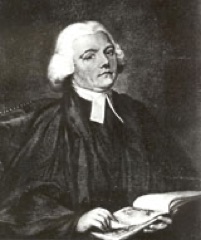
Gilbert White was born in 1720 in the village of Selborne, Hampshire, in his grandfather's vicarage, and spent most of his life there. He studied at Oriel College, Oxford, where he became a fellow, and was ordained in the Church of England. He served as a curate in several parishes, including Selborne itself for many years, but never became its vicar. At his family home, The Wakes, he kept a garden and a careful diary of the weather, plants, birds and animals around him. For years he corresponded with two naturalists, Thomas Pennant and Daines Barrington, describing what he observed, and these letters became The Natural History and Antiquities of Selborne (1789). The book records observations such as the habits of swifts, swallows and earthworms, and it distinguished three similar species of leaf warbler by their songs. Written in clear and charming prose, it has never been out of print and helped inspire generations of amateur naturalists. He also kept a pet tortoise named Timothy, whose habits he recorded. He died at Selborne in 1793.
Gilbert White is also an author in the library: author page and works.
Faith: An Anglican clergyman who served as curate of Selborne. Source: Wikipedia

Key dates
- 1720 Born in Selborne, Hampshire
- 1744 Fellow of Oriel College, Oxford
- 1789 The Natural History of Selborne published
- 1793 Dies at Selborne
Fun facts
- He often wrote about a tortoise he inherited from his aunt, and the tortoise, Timothy, later became the hero of a book of its own. (Source: Gilbert White (Wikipedia))
Record-breaker
Firsts and records, worded as the sources give them ("first known", "at the time").
- He is credited with perhaps the earliest written record of the word 'golly', in a journal entry from 1775. (Source: Gilbert White (Wikipedia))
Read about them
Grades 6–8
- The Natural History of Selborne · In the library
More lives
William Blake · James Boswell · Robert Burns · William Cowper · John Dickinson · Denis Diderot