Abu Hamid al-Ghazali
c. 1058–1111 · Persian Muslim theologian, jurist and philosopher whose works, including The Incoherence of the Philosophers and his autobiography, shaped Islamic thought.
Abu Hamid Muhammad al-Ghazali was born around 1058 in Tus, in the Khorasan region of Persia. He studied law and theology, including under the scholar al-Juwayni at Nishapur, and in 1091 was appointed to teach at the Nizamiyya college in Baghdad, one of the most prestigious posts in the Islamic world. There he wrote The Incoherence of the Philosophers, a critique of philosophers who followed Aristotle and Avicenna. In 1095 he went through a personal crisis, left his post, and spent years traveling and living as a Sufi in Damascus, Jerusalem and elsewhere, including a pilgrimage to Mecca. During this period he wrote his long work The Revival of the Religious Sciences. His autobiography, Deliverance from Error, describes his search for certain knowledge. He later taught again for a time at Nishapur before returning to Tus, where he died in 1111. He is often counted among the most influential thinkers in the history of Islam.
Abu Hamid al-Ghazali is also an author in the library: author page and works.
Faith: Sunni Muslim philosopher, theologian, jurist and mystic. Source: Stanford Encyclopedia of Philosophy
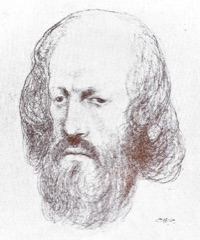

Key dates
- c. 1058 Born in Tus, Persia
- 1091 Begins teaching at the Nizamiyya in Baghdad
- 1095 Leaves Baghdad for a life of travel and devotion
- 1111 Dies in Tus
Read about them
Grades 9–12
- Deliverance from Error (The Confessions of al-Ghazali) · In the library
More lives
Anselm of Canterbury · Thomas Aquinas · Avicenna (Ibn Sina) · Bede · Bernard of Clairvaux · Boethius