Confucius
551–479 BC · Chinese teacher whose sayings on virtue, family and government shaped East Asian civilization.
Confucius, in Chinese Kong Fuzi or Master Kong, was born in the small state of Lu in eastern China. His family was of low noble rank, his father died when he was young, and he grew up poor, working as a keeper of granaries and herds while studying the old rituals, poetry and history. He became a teacher who accepted students from any background who were eager to learn. He believed society could be restored through good character: rulers should govern by moral example rather than force; people should practice ren, meaning humaneness, and li, meaning proper ritual and courtesy; and sons should honor their parents. He held a minor office in Lu but, disappointed in its rulers, spent years traveling among other states looking for a ruler who would follow his advice, without success. He returned home and taught until his death. His students collected his sayings in the Analects, which includes his teaching never to do to others what you would not want done to yourself. Confucian teaching became the basis of Chinese education for two thousand years.
Faith: Faith not well documented; scholars debate whether Confucianism should be called a religion. Source: Wikipedia
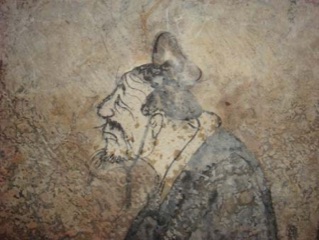
Key dates
- 551 BC Born in the state of Lu
- c. 500 BC Holds office in Lu
- c. 497–484 BC Travels among other states
- 479 BC Dies in Lu
Fun facts
- An asteroid, 7853 Confucius, is named after him. (Source: Confucius (Wikipedia))
Record-breaker
Firsts and records, worded as the sources give them ("first known", "at the time").
- His family, the Kongs, has the longest recorded family tree still in existence in the world. (Source: Confucius (Wikipedia))
Watch


Videos load from YouTube in privacy-enhanced mode only when you press play.
More lives
Aristotle · Cicero · Epictetus · Epicurus · Heraclitus · Kautilya (Chanakya)