Work record
Ramona
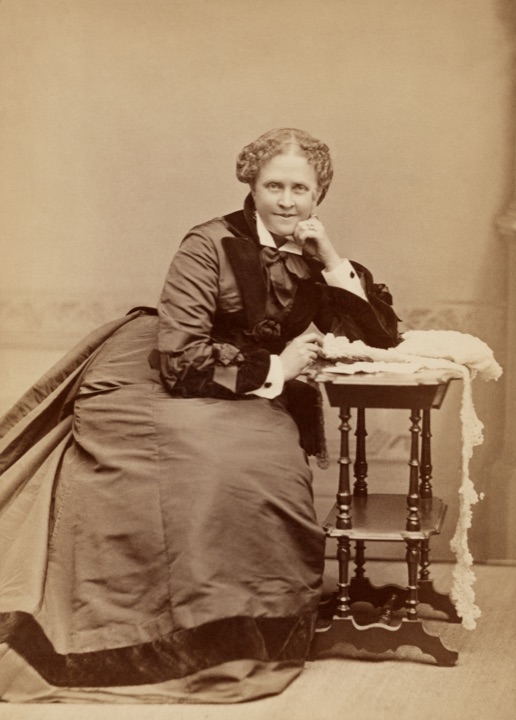
Helen Hunt JacksonRamona by Helen Hunt Jackson (1884)Ramona is a novel by Helen Hunt Jackson, serialized in the Christian Union and published as a book by Roberts Brothers in 1884.1884 · 19th Century · Novel · English
Abstract
Background. Jackson spent her last years campaigning for Native American rights. After a history of broken treaties and a government report on the Mission Indians of Southern California failed to stir much action, she turned to fiction, hoping to do for them what Stowe had done for enslaved people.
Plot. A foster daughter of mixed ancestry, raised coldly on a Californio estate, falls in love with a Native sheep-shearer. Forbidden to marry him, she runs away, and the couple are driven from one home after another by American settlers and land claims. Their baby dies when a government doctor refuses to come, and the husband, broken by grief, is shot by a settler. The heroine's foster brother finds her, and they marry and leave for Mexico.
Ideas. The story links a romance to a sharp criticism of land seizures, legal injustice and official neglect. It contrasts Spanish mission piety, Californio pride and American acquisitiveness, and asks readers to see Native people as families with homes and rights.
Reception. An immediate best seller, it inspired films, songs, an outdoor pageant and a wave of tourism to places linked with the story. Critics have since debated whether its nostalgia for the mission era softened its protest.
Main characters
- Ramona: Foster daughter of a Californio family
- Alessandro: Luiseño sheep-shearer
- Señora Moreno: Proud widow of the rancho
- Felipe: The Señora's son

Summary
Ramona is a novel by Helen Hunt Jackson, serialized in the Christian Union and published as a book by Roberts Brothers in 1884. Jackson wrote it after years of campaigning for Native American rights, and she hoped it would move readers to sympathy for the Indians of Southern California much as Uncle Tom's Cabin had done for enslaved people. The story is set in the years after the Mexican-American War, when California has passed to the United States. On the rancho of the proud Señora Moreno lives Ramona, a beautiful foster daughter of mixed Scottish and Native American parentage, whom the Señora raises out of duty but never loves. The Señora's gentle son Felipe loves Ramona. At sheep-shearing time Alessandro, a young Luiseño man from the village of Temecula and son of its leader, comes to the rancho with the shearing band, and he and Ramona fall in love. When the Señora forbids the marriage and reveals Ramona's Indian ancestry, Ramona elopes with Alessandro. They find Temecula destroyed, its people evicted by American settlers who have bought the land. The couple settle at San Pasquale and later in the San Jacinto valley and the mountains, but each time American settlers or land claims drive them on. Their first child dies after the Indian Agency doctor refuses to make the journey to see her. Alessandro, worn down by grief and loss, suffers spells of mental confusion, and in one of them he rides off on a settler's horse; the owner, Jim Farrar, shoots him dead and is acquitted. Ramona, ill and grieving, is cared for by a kindly Tennessee woman, Aunt Ri Hyer. Felipe, who has searched for her since his mother's death, finds her and brings her home. They later marry and move to Mexico. The novel was enormously popular. Its romantic picture of the old California ranchos and missions helped create a tourist industry in Southern California, while its account of Native families driven from their land reached a wide audience.
Plot or Argument
- Chapters I–V: The Moreno rancho
The sheep-shearing season brings Alessandro to the rancho, where Ramona lives under the cold guardianship of the Señora and the affection of Felipe.
- Chapters VI–XII: Love and refusal
Felipe falls ill and Alessandro nurses him with music; Ramona and Alessandro declare their love, and the Señora reveals Ramona's parentage and forbids the match.
- Chapters XIII–XVII: Flight
Alessandro returns to find Temecula seized; Ramona leaves the rancho with him, and they are married by Father Gaspara at San Diego.
- Chapters XVIII–XXII: San Pasquale
The couple build a home at San Pasquale, but settlers claim the land; they move on to the San Jacinto valley, where Aunt Ri and her family befriend them.
- Chapters XXIII–XXIV: Losses
The Agency doctor refuses to see their sick baby, who dies; Alessandro's mind gives way, and he is shot by Jim Farrar.
- Chapters XXV–XXVI: Return
Felipe finds Ramona with Aunt Ri's help, brings her home, marries her, and moves with her to Mexico.
Characters
- Ramona, protagonist
Foster daughter of the Moreno household, of Scottish and Native American parentage, later called Majella by Alessandro.
- Alessandro Assis, protagonist
Luiseño sheep-shearer and musician from Temecula, son of the village leader Pablo.
- Señora Moreno, major
Proud, devout Californio widow who rules her rancho and resents the American conquest.
- Felipe Moreno, major
The Señora's son, who loves Ramona.
- Aunt Ri Hyer, major
Plain-spoken Tennessee settler who befriends Ramona and Alessandro.
- Father Salvierderra, minor
Aged Franciscan friar devoted to the old missions.
- Juan Canito, minor
The rancho's head shepherd.
- Margarita, minor
Servant at the rancho, Ramona's rival for Alessandro.
- Jim Farrar, minor
Settler who shoots Alessandro.
Lessons
Land and eviction
Jackson shows how legal title, purchase and force removed Native communities from lands they had long farmed. Students can connect the novel to the history of land claims in California.
- Why are the people of Temecula evicted even though they have lived there for generations?
- What role do courts and the law play in the novel?
Fiction as advocacy
Jackson wrote the novel to win sympathy for a cause. Readers can consider how a love story carries a political message.
- Why might a novel persuade readers when a government report did not?
- Where does the narrator speak most directly to the reader?
Prejudice and identity
The Señora's treatment of Ramona changes once her ancestry is known. The novel asks how prejudice shapes family and community.
- How does Ramona respond when she learns of her mother's people?
- How do different characters judge Alessandro?
Context
After the Mexican-American War of 1846–1848, California became part of the United States. Many Californio landowners lost their ranchos, and the Native peoples of the former missions, often called the Mission Indians, were pushed off lands they occupied as American settlers arrived.
Composition
Jackson had published A Century of Dishonor (1881), a history of broken federal treaties, and in 1882–1883 she toured Southern California as a special agent of the Interior Department, reporting on the Mission Indians with Abbot Kinney. Concluding that a novel might reach readers her nonfiction had not, she wrote Ramona in New York in 1883–1884.
Reception
The book was a best seller and has rarely been out of print. Its romantic portrait of rancho life fed a lasting fascination with the mission era and drew tourists to sites associated with the story; it has been filmed several times, and an outdoor Ramona pageant has been staged in Hemet, California, since 1923. Later critics have noted that its picture of the Californio past is idealized.
Comparisons
- Uncle Tom's Cabin
Jackson hoped her novel would do for Native Americans what Stowe's had done for enslaved people; both are reform novels that use sentiment to persuade.
- The Last of the Mohicans
Cooper's romance of the eastern frontier also centers on Native characters, but in a far more mythic and less documentary mode.
- Death Comes for the Archbishop
Cather's novel of the Catholic Southwest offers another portrait of missions, Hispanic families and Native peoples in lands newly taken by the United States.
- Poems: First, Second and Third Series
Jackson was Dickinson's friend from their Amherst girlhood and one of the few contemporaries who urged her to publish.
Quotes
“IT was sheep-shearing time in Southern California”
“They say the Americans, when they buy the Mexicans' lands, drive the Indians away as if they were dogs; they say we have no right to our lands.”
“It is a sweet sound, but I would like it better Majella. Call me Majella.”
For Students
A reading companion for classical Christian high school students. See the student guide.
Reading Guide
Watch for
- How the Señora's pride shapes the household.
- Each place Ramona and Alessandro must leave, and why.
- The narrator's direct comments on American law and settlers.
- The meaning of Ramona's new name, Majella.
Key terms and names
- Rancho
- A large cattle or sheep estate of Spanish or Mexican California.
- Californio
- A Spanish-speaking Californian of the Mexican era.
- Mission Indians
- The Native peoples connected with the Spanish missions of California, such as the Luiseño and Cahuilla.
- Indian Agency
- A federal office responsible for Native peoples in a region.
- Protest novel
- Fiction written to expose an injustice and move readers to act.
Seminar Questions
- Comprehension Why does the Señora oppose Ramona's marriage?
- Comprehension What happens to Alessandro's village of Temecula?
- Interpretation Why does Alessandro call Ramona Majella?
- Interpretation How does Jackson present Aunt Ri, and why might she include a sympathetic American settler?
- Big Question Can a novel change public opinion or policy?
- Big Question What makes ownership of land just?
Faith Connections
- Micah 6:8 (Scripture)
'Do justly, and to love mercy': Father Salvierderra's counsel and the settlers' actions invite readers to weigh justice and mercy toward those driven from their land.
- Harriet Beecher Stowe, Uncle Tom's Cabin (Great Conversation)
Jackson modeled her purpose on Stowe's, using a moving story to address a national wrong.
Logic and Rhetoric
Central argument: Through the sufferings of a devoted couple, the novel argues that the Native peoples of Southern California were being unjustly driven from their homes, and that American law and indifference shared the blame.
Rhetorical device: pathos. The death of the baby after the Agency doctor will not come turns a policy failure into a personal tragedy for the reader.
Debate: Resolved: Ramona did more to romanticize old California than to help its Native peoples.
Memory Work
They say the Americans, when they buy the Mexicans' lands, drive the Indians away as if they were dogs; they say we have no right to our lands.
Writing Prompts
Essay: Explain how Jackson uses the setting of each home Ramona and Alessandro build to advance her argument.
Comparison with Uncle Tom's Cabin: Compare how Stowe and Jackson use family suffering to persuade readers to oppose an injustice.
Medical Lens
The Indian Agency doctor refuses to travel to treat Ramona and Alessandro's sick baby, who dies, an episode Jackson uses to show federal neglect of Native health; Alessandro's grief and losses end in spells of mental confusion that lead to his death. Felipe's fever and recovery early in the novel are a lighter strand.
- Chapter XXIII
The Agency doctor refuses to make the journey, and the baby dies.
- Chapter XXIV
Alessandro's mind gives way before he is shot.
- Chapter XXII
Aunt Ri describes the government doctor for Indians, and the family seek medicine at the Agency.
Creative Prompts
- Fiction
Retell the eviction of Temecula from the point of view of a child of the village.
- Essay
Argue whether Ramona is more effective as a love story or as a protest novel.
- Classroom
Using a map of Southern California, trace Ramona and Alessandro's journeys and note why they must leave each place.
Further Reading
- A Century of Dishonor, Helen Hunt Jackson
- Report on the Condition and Needs of the Mission Indians of California, Helen Hunt Jackson and Abbot Kinney
- Helen Hunt Jackson: A Literary Life, Kate Phillips
- Ramona Memories: Tourism and the Shaping of Southern California, Dydia DeLyser
Verification notes
Full text from Project Gutenberg #2802 (Roberts Brothers, 1884). All quotations are exact substrings of the stored text.
No verification flags recorded.