Great Art
52 painters, from Cimabue in the 1200s to Henry Ossawa Tanner in the 1800s. Each page has a short life, five to eight key works with a note on what to look for, and links to the books in this library that the paintings show: the Gospels and the lives of the Bible, Homer, Plutarch, Shakespeare and more.
Many of these painters spent their God-given gifts on the Scriptures, the saints and faithful portraits of real people, often at real cost to themselves. Look slowly. Find the light, then the faces, then the hands, and ask what story is being told and why the painter told it this way.
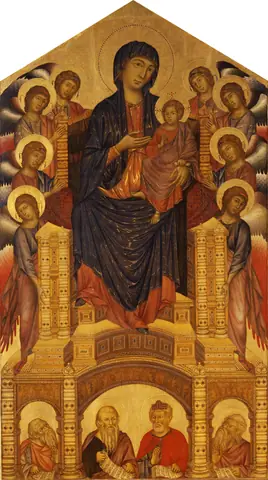 Cimabuec. 1240–1302 · MedievalThe Florentine who began to lead Italian painting out of the stiff Byzantine manner, and who, the story says, found the boy Giotto drawing in a field.
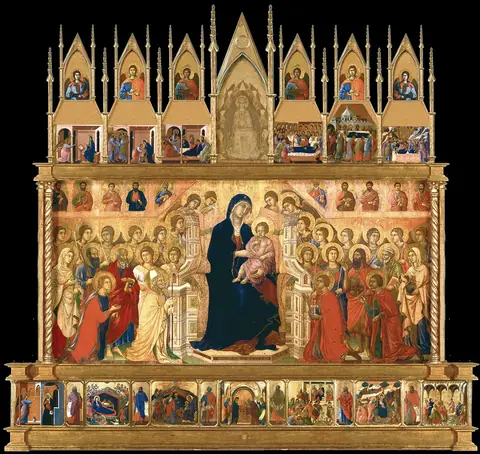 Duccioc. 1255–1319 · Medieval (Siena)The great painter of Siena, who told the life of Christ in dozens of small, glowing panels on the back of his Maestà.
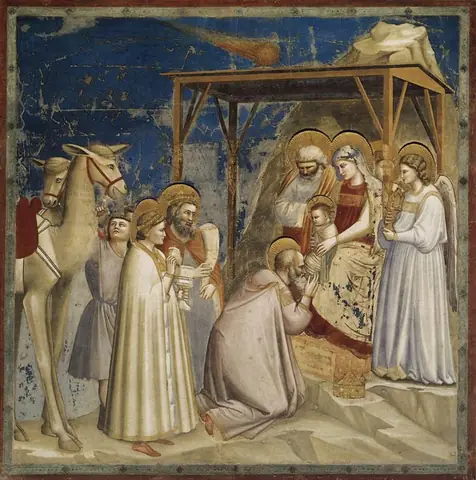 Giottoc. 1267–1337 · MedievalThe Florentine who gave painted figures weight, tears and tenderness, and opened the way to the Renaissance.
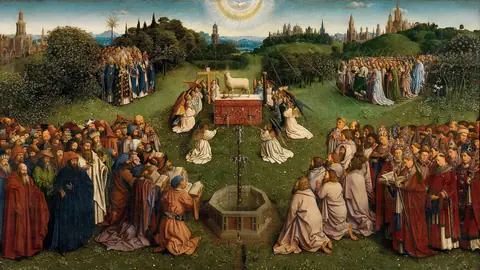 Jan van Eyckc. 1390–1441 · Early NetherlandishCourt painter to the Duke of Burgundy, who used oil paint to make jewels, cloth, windows and distant towns look close enough to touch.
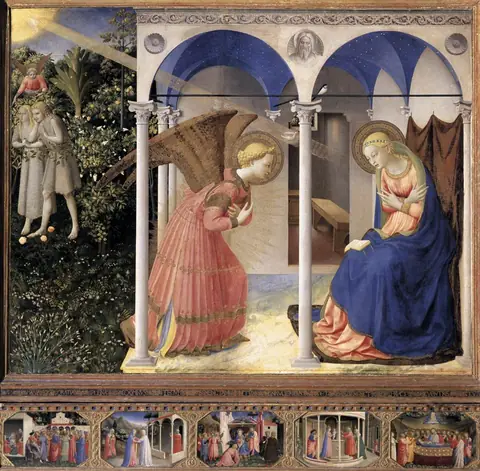 Fra Angelicoc. 1395–1455 · Early RenaissanceA Dominican friar who painted the Gospel for prayer, in clear light and pure colour.
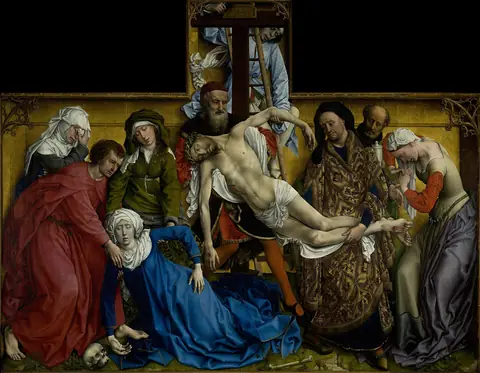 Rogier van der Weydenc. 1399–1464 · Early NetherlandishThe Brussels painter who gave Netherlandish art its most moving grief, especially in the Descent from the Cross.
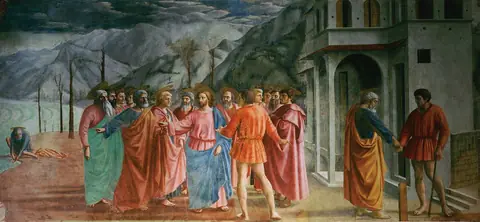 Masaccio1401–1428 · Early RenaissanceThe young Florentine who, in a short life, gave painted figures the weight of sculpture and set them in true perspective.
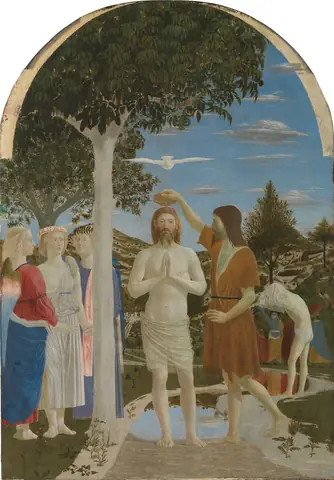 Piero della Francescac. 1415–1492 · Early RenaissanceThe Tuscan master of still, mathematical light, who painted the Baptism, the Resurrection, and the Legend of the True Cross.
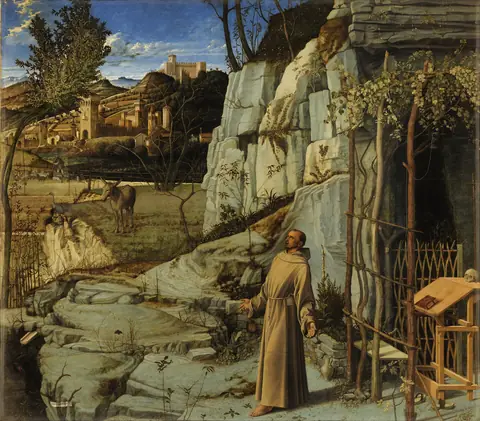 Giovanni Bellinic. 1430–1516 · Early Renaissance (Venice)The father of Venetian painting, who set the Madonna in calm light and gave oil paint a new softness in the lagoon city.
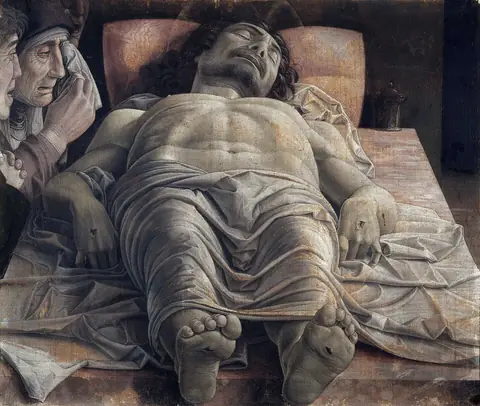 Andrea Mantegnac. 1431–1506 · Early Renaissance (North Italy)The painter of stone, ruin and fierce devotion, who served the Gonzaga court at Mantua and made the dead Christ seem to lie at your feet.
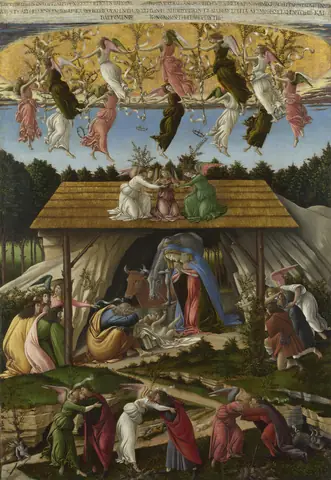 Sandro Botticellic. 1445–1510 · Early Renaissance (Florence)The Florentine of graceful line, who painted tender Madonnas, a mystical Nativity, and — for older students — the most famous mythological pictures of his age.
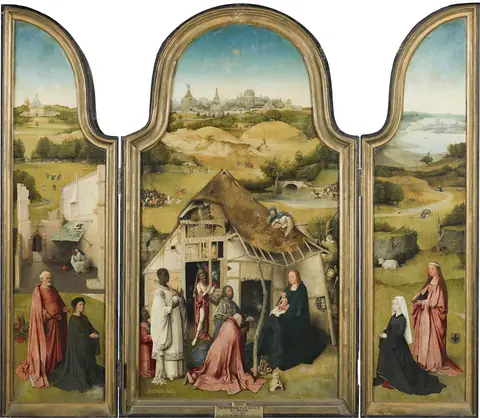 Hieronymus Boschc. 1450–1516 · Early NetherlandishThe painter of moral visions, who set Scripture and proverb in a world of birds, engines, fires and watchful angels.
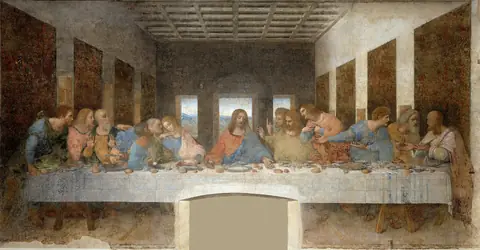 Leonardo da Vinci1452–1519 · High RenaissanceThe painter, engineer and student of nature who made the Last Supper and the Mona Lisa, and who never stopped asking how the world was put together.
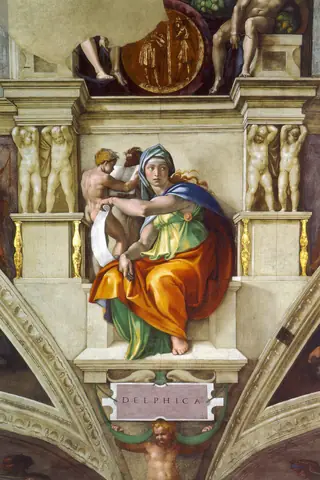 Michelangelo1475–1564 · High RenaissanceSculptor, painter, architect and poet, who painted the Sistine ceiling lying on his back for four years.
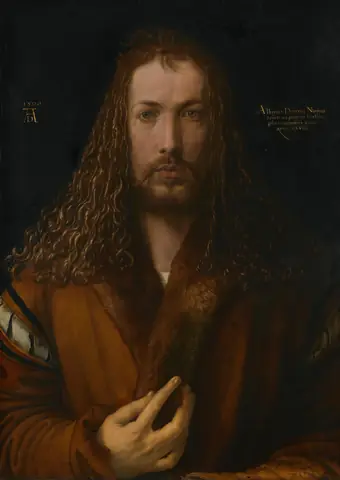 Albrecht Dürer1471–1528 · Northern RenaissanceThe Nuremberg master of the engraved line, who joined northern craft to Italian study and made prints that carried his name across Europe.
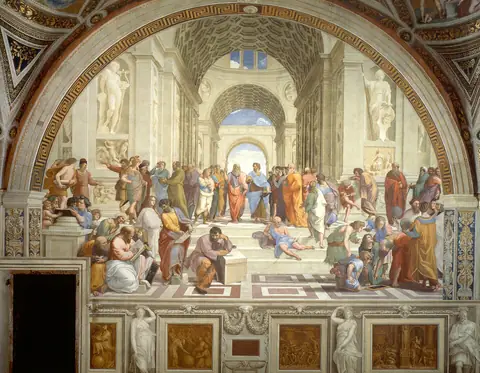 Raphael1483–1520 · High RenaissanceThe painter of harmony, who set philosophy and theology face to face on the walls of the Vatican.
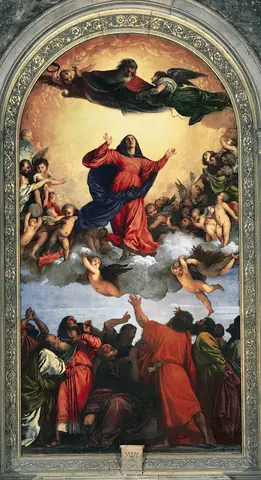 Titianc. 1488–1576 · High Renaissance (Venice)The long-lived master of Venetian colour, who painted altarpieces, princes and sacred stories with a depth of red, gold and air.
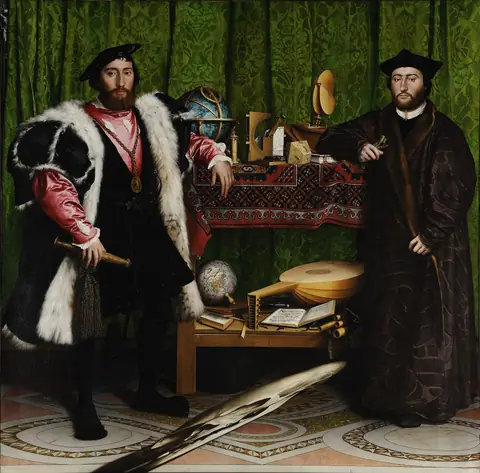 Hans Holbein the Youngerc. 1497–1543 · Northern RenaissanceThe portraitist of Erasmus, Thomas More and the court of Henry VIII, who could put a whole mind into a face, a letter, or a stretched skull.
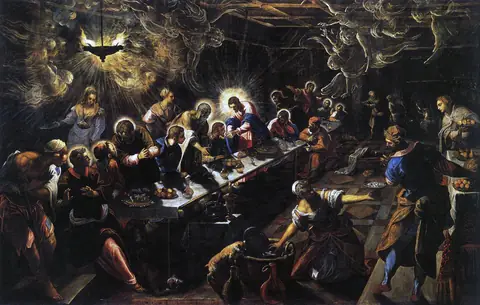 Tintoretto1518–1594 · Venetian / MannerismThe rapid Venetian of the scuole, who filled immense walls with light, shadow and the Gospel told at a rush.
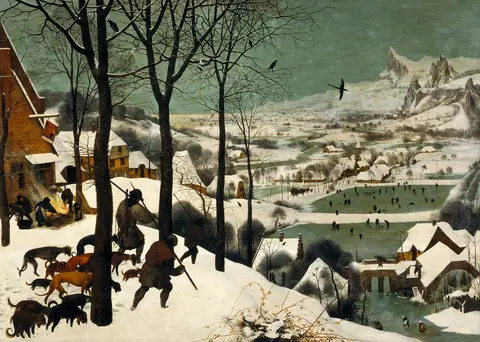 Pieter Bruegel the Elderc. 1525–1569 · Northern RenaissanceThe great observer of peasant life and of the seasons, who set even the Gospel in a wide, working Flemish world.
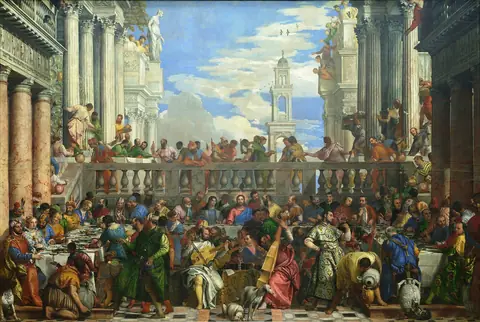 Paolo Veronese1528–1588 · High Renaissance (Venice)The painter of Venetian splendour, who filled Gospel feasts with silk, marble and music.
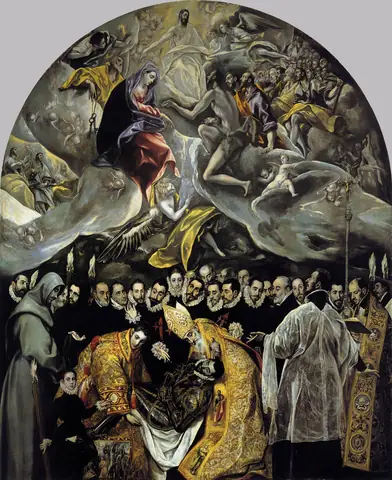 El Greco1541–1614 · Mannerism / SpanishThe Cretan who made Toledo his home, and who stretched light, colour and the human figure until a vision could be seen in them.
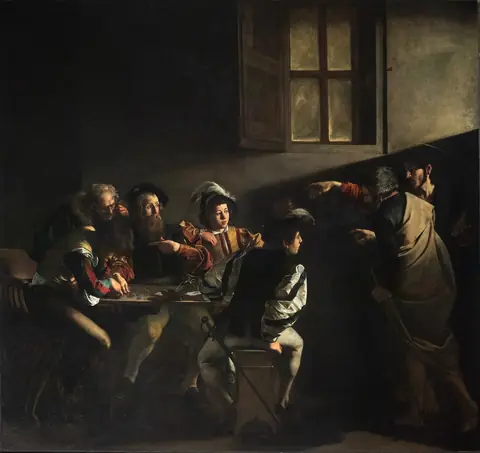 Caravaggio1571–1610 · BaroqueThe painter of light breaking into darkness, who set the Gospel among the ordinary people of Rome.
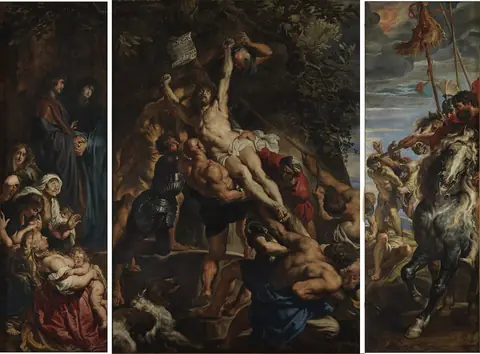 Peter Paul Rubens1577–1640 · Baroque (Flanders)The painter-diplomat of Antwerp, who gave the Catholic Baroque its warmth, weight and motion, and who could also be quiet in a morning landscape.
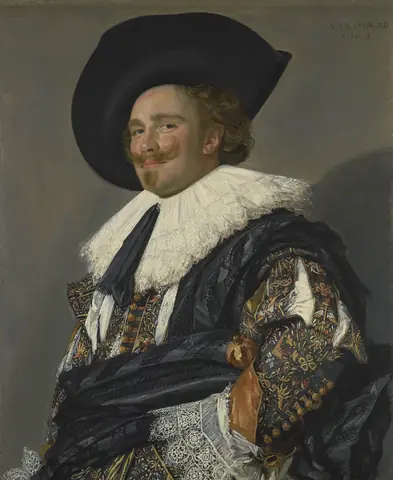 Frans Halsc. 1582–1666 · Dutch Golden AgeThe Haarlem portraitist of a sudden smile, a tilted hat, and a brush that seemed to move as fast as the people it caught.
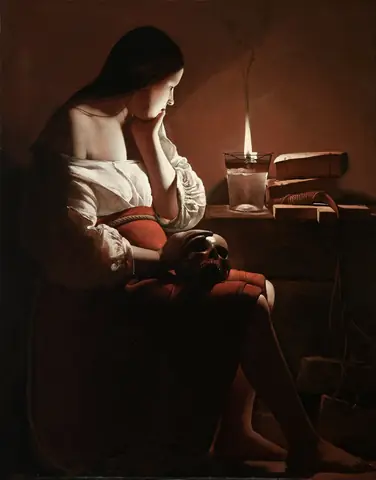 Georges de La Tour1593–1652 · Baroque (France)The painter of candlelight in Lorraine, who made a single flame enough to hold a Gospel story or a quiet act of work.
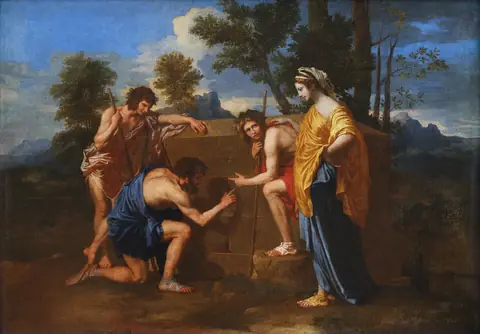 Nicolas Poussin1594–1665 · Baroque (Classicizing)The French master who made Rome his home, and who composed sacred and classical stories with a grave, reasoned order.
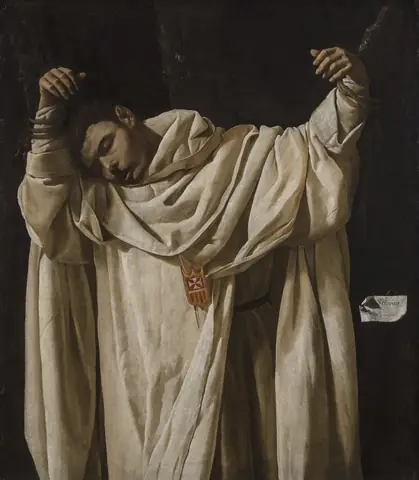 Francisco de Zurbarán1598–1664 · Baroque (Spain)The Spanish painter of monks, of still cloth, and of a lamb or a lemon set down as if it were a prayer.
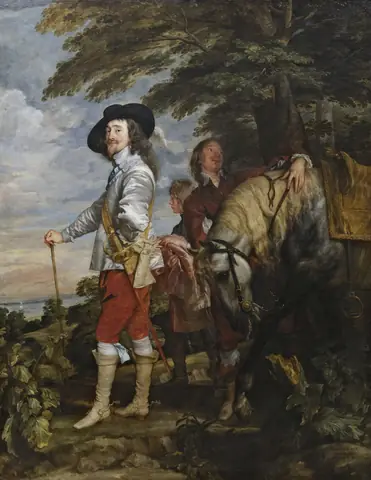 Anthony van Dyck1599–1641 · BaroqueThe Flemish prodigy who painted kings and saints with elegance, and set the pattern for the English portrait.
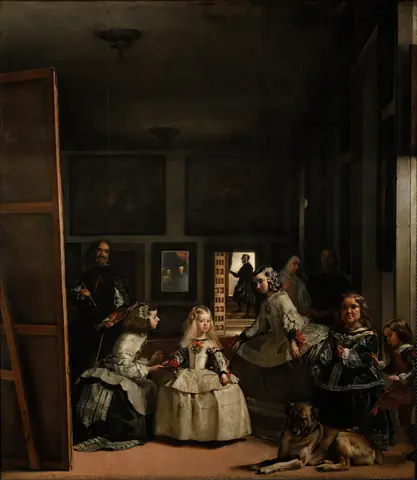 Diego Velázquez1599–1660 · Baroque (Spanish Golden Age)Court painter to Philip IV of Spain, who painted kings, servants and Christ with the same honest eye.
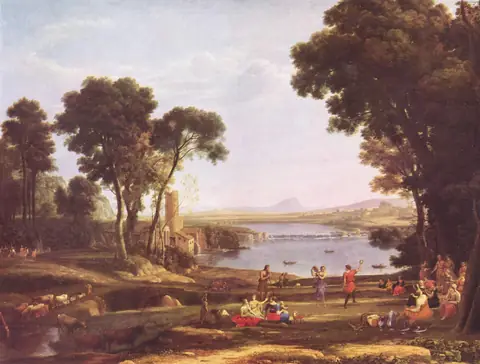 Claude Lorrainc. 1600–1682 · Baroque (Landscape)The painter of ordered landscape, who set Scripture and the Aeneid in a world of harbours, trees and evening light.
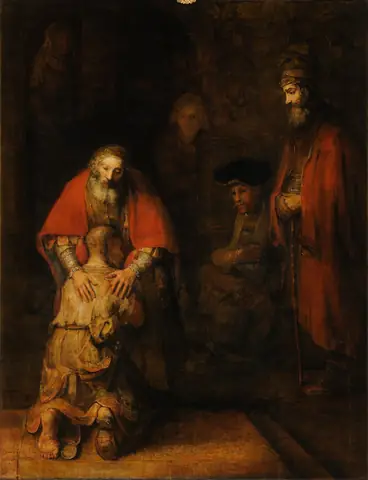 Rembrandt1606–1669 · Baroque (Dutch Golden Age)The Dutch master of light and shadow, who painted the Bible as a story about real people and their need of mercy.
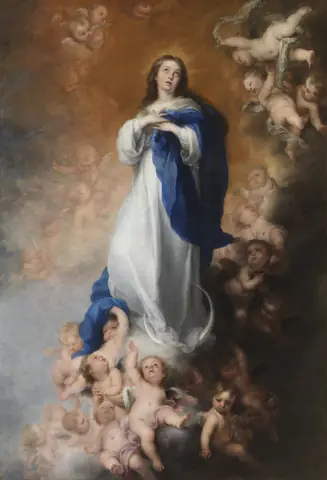 Bartolomé Esteban Murillo1617–1682 · Baroque (Spain)The Seville painter of tender Madonnas, of the Immaculate Conception in a glory of light, and of poor children eating in a doorway.
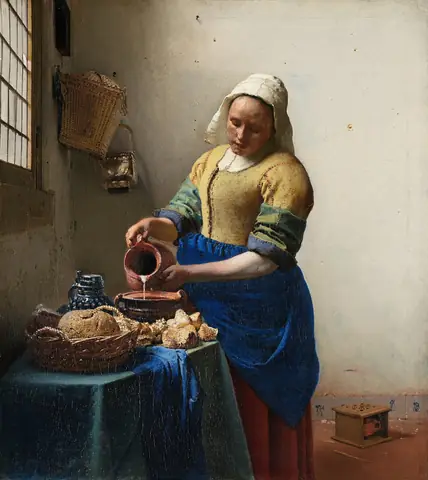 Johannes Vermeer1632–1675 · Baroque (Dutch Golden Age)The quiet painter of Delft, who made daylight on a wall, a jug or a face into something holy.
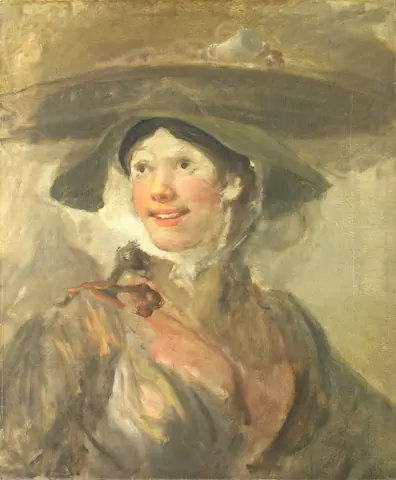 William Hogarth1697–1764 · British (18th century)The London painter and engraver who made modern life a moral comedy, and who could also be quietly tender with a child or a shrimp girl.
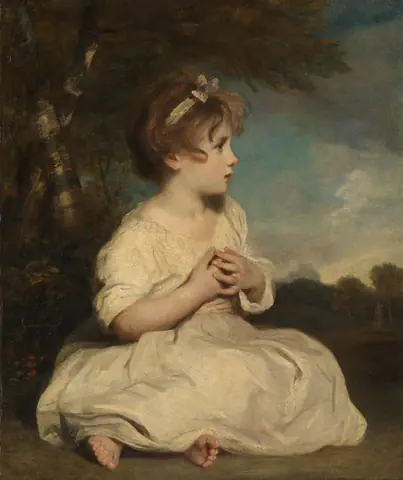 Joshua Reynolds1723–1792 · Eighteenth century (Georgian)First President of the Royal Academy, friend of Samuel Johnson, and the painter who gave British portraiture its grand style.
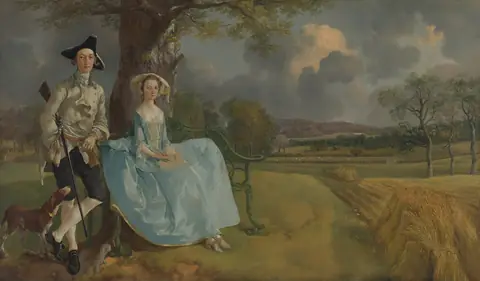 Thomas Gainsborough1727–1788 · British (18th century)The Suffolk painter of silken portraits and of feathery landscapes, who would rather, he said, have been painting the woods than the faces that paid.
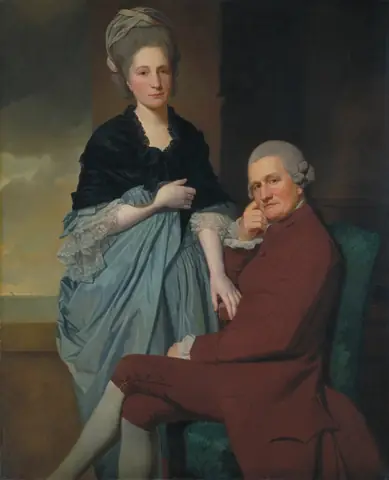 George Romney1734–1802 · Eighteenth century (Georgian)The cabinetmaker's son from the north of England who became one of London's favourite portrait painters.
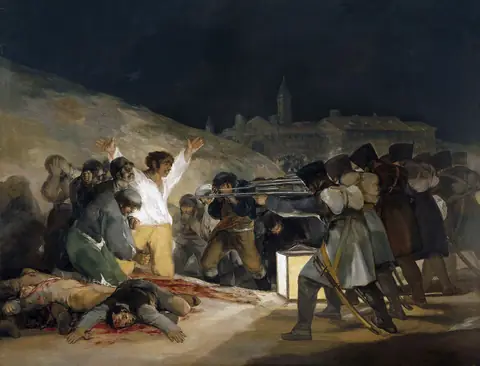 Francisco Goya1746–1828 · Spanish (later 18th–early 19th century)The Spanish painter who could be a charming court portraitist and, later, the unsparing witness of war, reason and unreason.
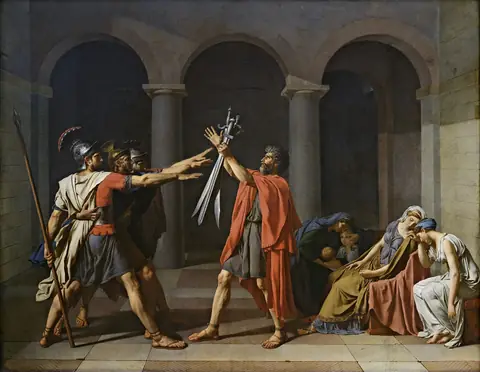 Jacques-Louis David1748–1825 · NeoclassicismThe painter of the French Revolution and of Napoleon, who made ancient Rome a school for modern virtue and modern power.
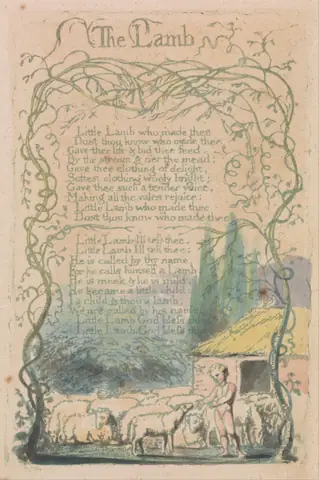 William Blake1757–1827 · British (Romantic)The London poet-painter who engraved and coloured his own visions, and who made Scripture, song and prophecy look as if they had just been seen.
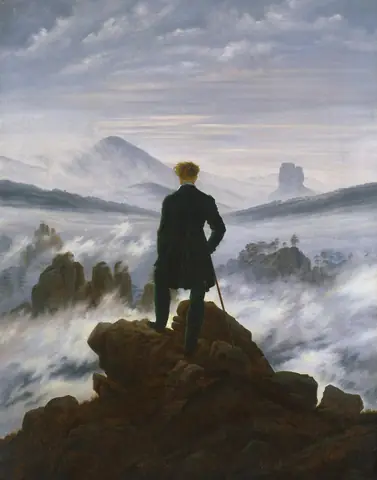 Caspar David Friedrich1774–1840 · Romanticism (Germany)The painter of the wanderer, the monk, and the oak, who made a northern landscape look like a place of thought and of faith.
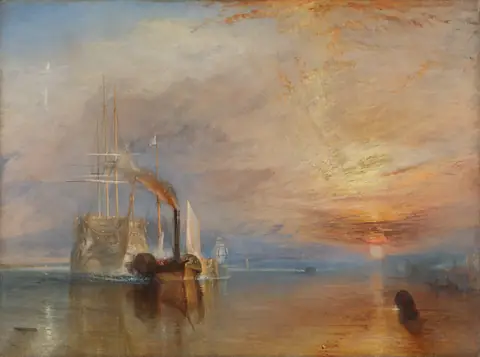 J. M. W. Turner1775–1851 · RomanticThe English painter of light on water, of steam and storm, and of old ships going down the river at sunset.
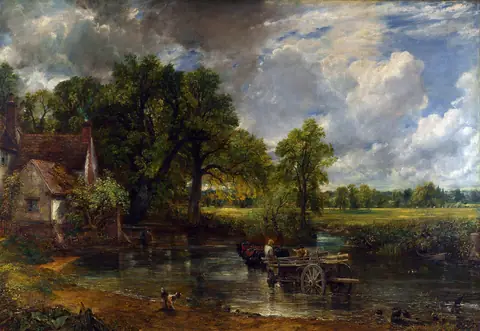 John Constable1776–1837 · RomanticThe Suffolk painter who made the River Stour, a hay wain and a changing English sky seem worth a lifetime of looking.
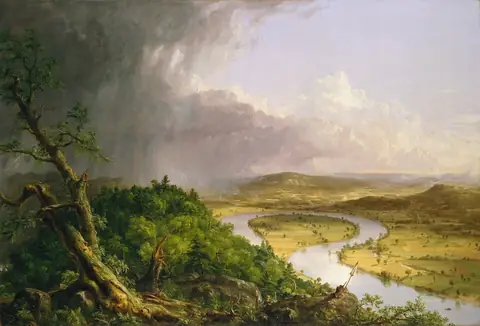 Thomas Cole1801–1848 · Hudson River SchoolThe English-born founder of the Hudson River School, who gave the American wilderness a moral weather and a whole human life in four pictures.
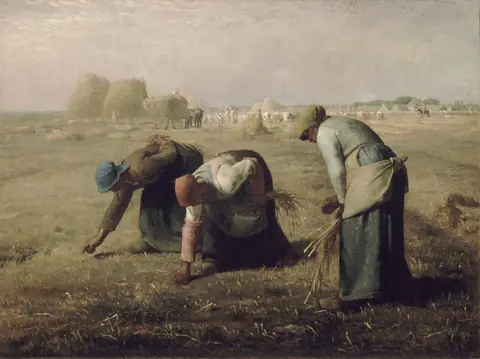 Jean-François Millet1814–1875 · RealismThe painter of Barbizon who gave gleaners, a sower and a couple at prayer the dignity of a history picture.
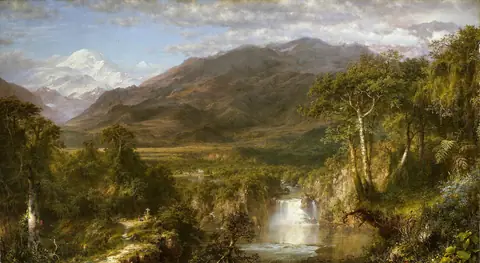 Frederic Edwin Church1826–1900 · Hudson River SchoolCole's pupil, who travelled farther — Andes, icebergs, Niagara, Jerusalem — and painted the world at a spectacular, careful scale.
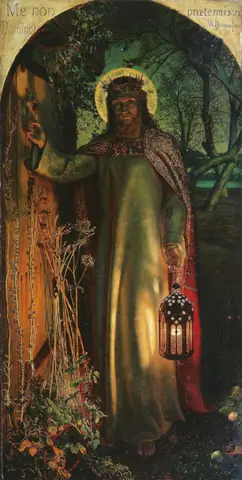 William Holman Hunt1827–1910 · Pre-RaphaeliteThe Pre-Raphaelite who took a lantern to a weed-grown door, a scapegoat to the Dead Sea, and his easel to the Holy Land.
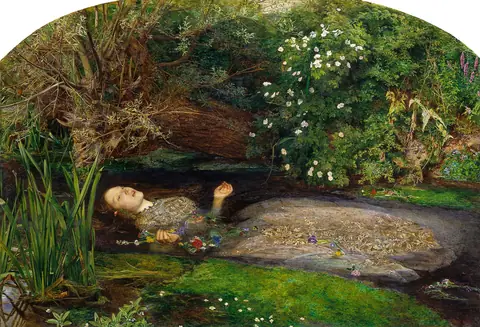 John Everett Millais1829–1896 · Pre-RaphaeliteThe prodigy of the Pre-Raphaelite Brotherhood, who painted Ophelia in a real stream and later became a master of English portraits and scenes.
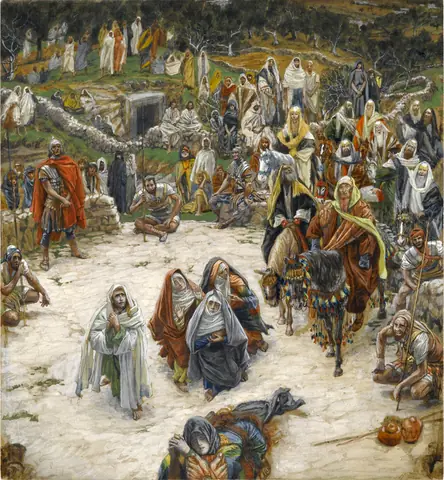 James Tissot1836–1902 · VictorianThe French painter of London society who later gave years of his life to a careful, observed Life of Christ.
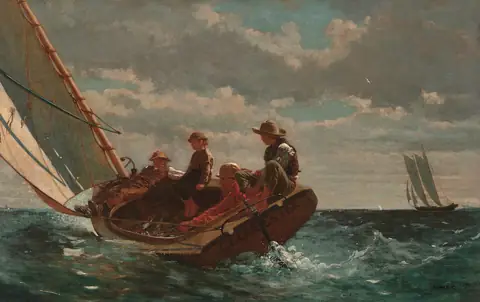 Winslow Homer1836–1910 · American RealismThe American painter of boys at play, of fishermen in a dory, and of a man alone on a dismasted boat.
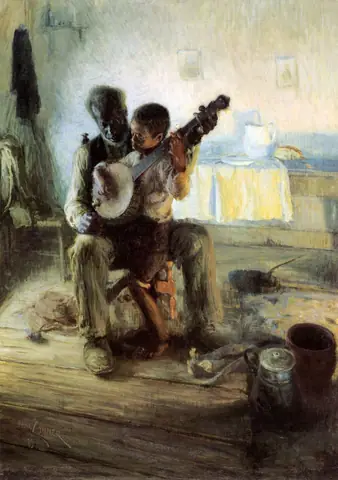 Henry Ossawa Tanner1859–1937 · American / AcademicThe American painter, son of an A.M.E. bishop, who gave a banjo lesson, a poor table blessing, and the Gospel a grave, inward light.
Sculptors
22 sculptors, from Phidias in the 400s BC to Gutzon Borglum in the 1800s. Each page has a short life, five to eight key works with a note on what to look for, and links to the books in this library that the sculptures show.
A statue is made to be walked around. Look at the turn of a head, the fall of a fold, and the way a figure meets the block or the bronze. These makers, too, spent costly skill on prophets, apostles, rulers and ordinary faces, and on the stories Scripture and the poets had already told.
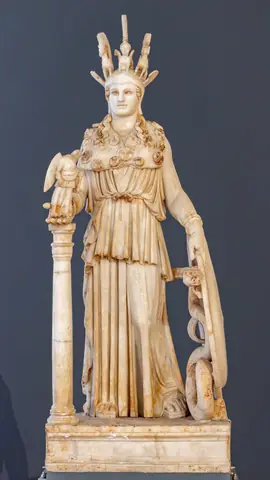 Phidiasc. 480–430 BC · Classical GreekThe master of the Parthenon, whose Athena and carved processions taught Greece how stone could praise the gods.
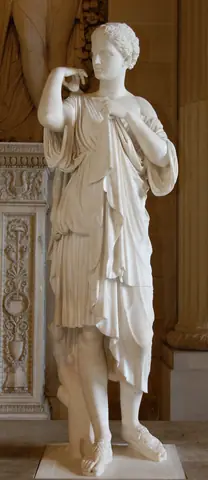 Polykleitos, Praxiteles and Lysippos5th–4th centuries BC · Classical GreekThree names that set the measure of the Greek body: the canon of Polykleitos, the softness of Praxiteles, and the portraits of Lysippos.
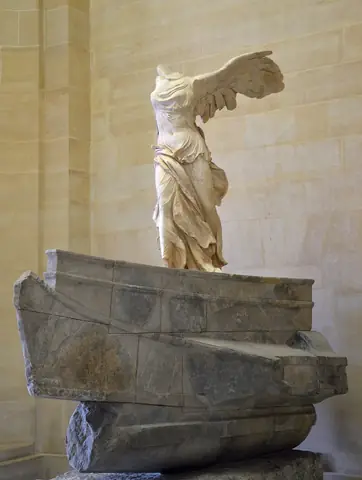 The Hellenistic mastersc. 250–100 BC · HellenisticThe age after Alexander: Victory alighting on a ship's prow, a veiled dancer, and the great altar at Pergamon.
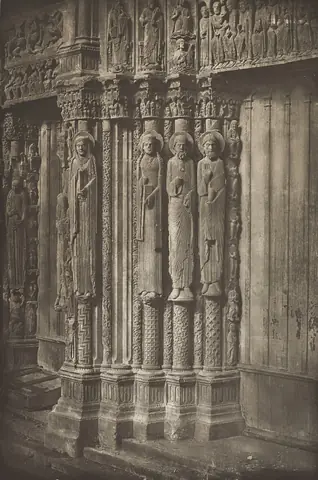 The sculptors of Chartresc. 1145–1250 · GothicThe Royal Portal and the north porch: kings, queens and prophets in column-statues, carved for a church of light and glass.
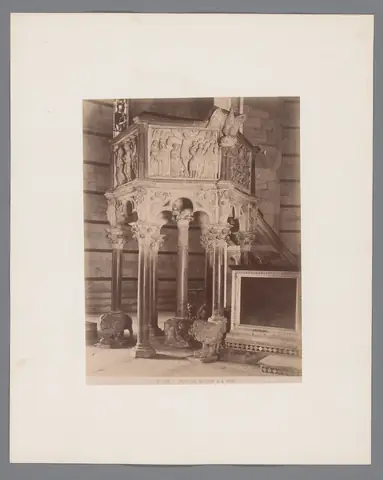 Nicola Pisanoc. 1220–1284 · Gothic / early RenaissanceThe carver who set the life of Christ on a hexagonal pulpit, in marble as grave as a Roman sarcophagus.
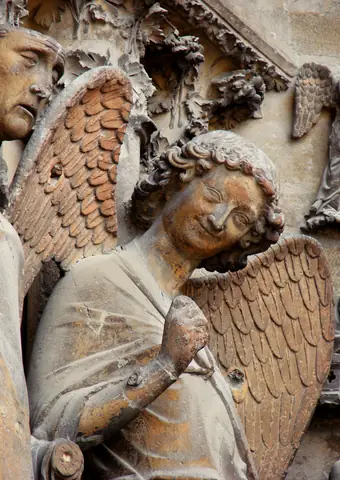 The sculptors of Reimsc. 1220–1260 · GothicThe smiling angel and the gallery of kings: sculpture for the church where the kings of France were crowned.
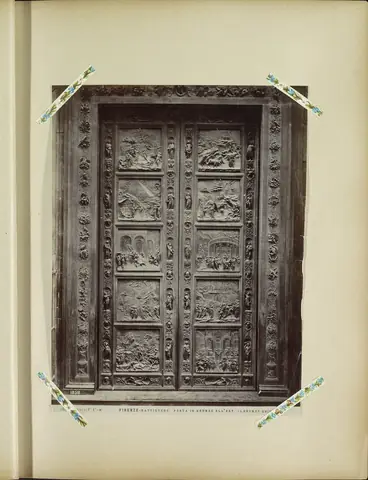 Lorenzo Ghibertic. 1378–1455 · Early RenaissanceThe maker of the Baptistery doors, who told the Old Testament in gilded bronze for the people of Florence.
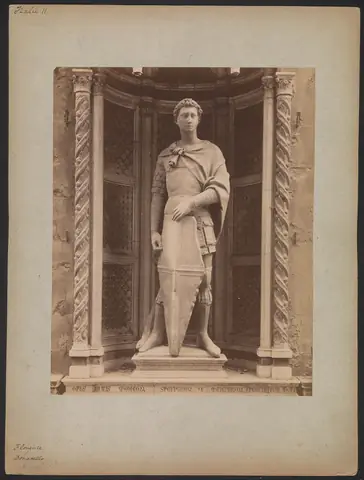 Donatelloc. 1386–1466 · Early RenaissanceThe sculptor who could make a prophet look as if he had been arguing in the street, and a condottiere ride forever in Padua.
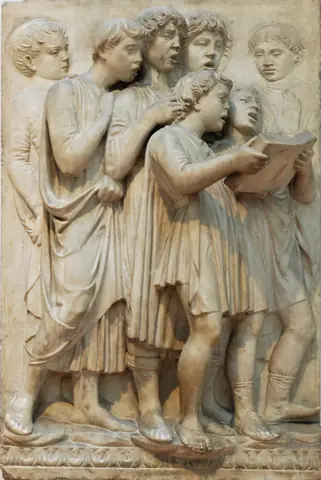 Luca della Robbiac. 1399–1482 · Early RenaissanceThe inventor of glazed terracotta sculpture, who set singing boys and the Madonna in white and blue for Florence.
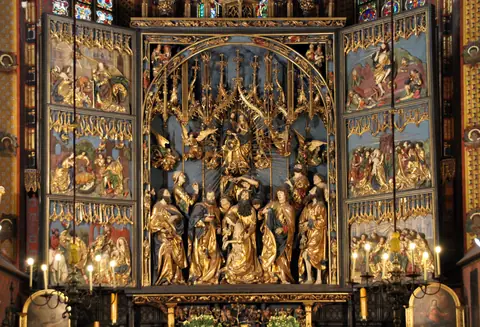 Veit Stossc. 1447–1533 · Late GothicThe carver of the great altar at St. Mary's in Kraków and of the Annunciation that still hangs in mid-air at St. Lorenz in Nuremberg.
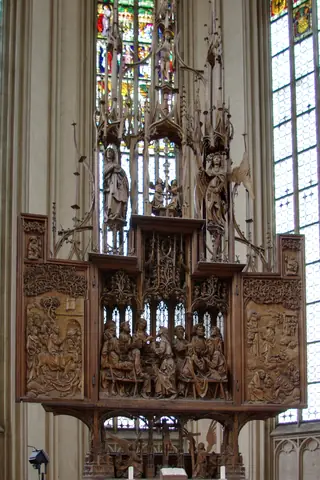 Tilman Riemenschneiderc. 1460–1531 · Late GothicThe Franconian carver of limewood altarpieces and of bishops who still seem to be thinking as they stand in Würzburg Cathedral.
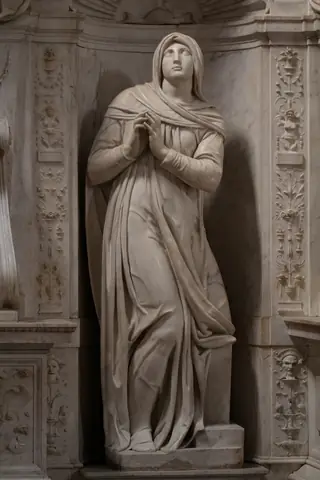 Michelangelo1475–1564 · High RenaissanceSculptor, painter, architect and poet, who painted the Sistine ceiling lying on his back for four years.
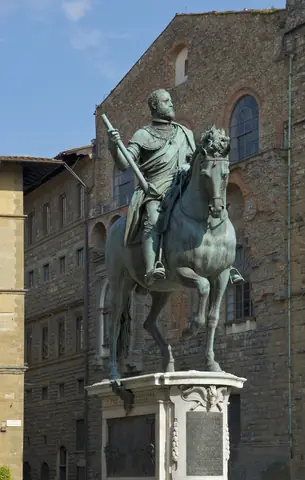 Giambologna1529–1608 · ManneristThe Flemish sculptor of Florence, who could send a bronze horse and rider into a public square, and a draped Architecture into a palace.
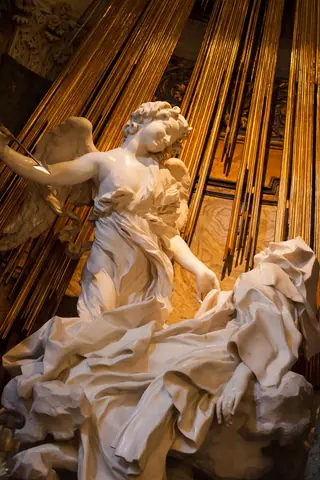 Gian Lorenzo Bernini1598–1680 · BaroqueThe sculptor and architect of Baroque Rome, who could make marble seem to breathe, and a whole church seem to rise on four bronze columns.
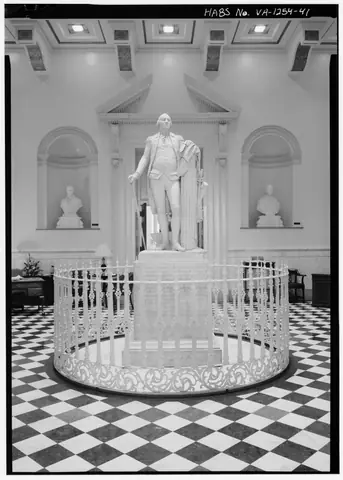 Jean-Antoine Houdon1741–1828 · NeoclassicalThe great portrait sculptor of the late eighteenth century, who gave Washington, Franklin, Jefferson and Voltaire a face you could trust in the round.
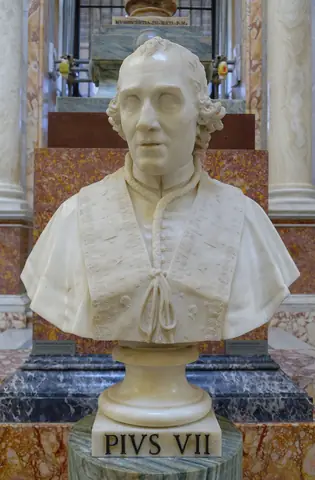 Antonio Canova1757–1822 · NeoclassicalThe great neoclassical sculptor, who could give a pope, a president, and a dancing girl the same calm, finished grace.
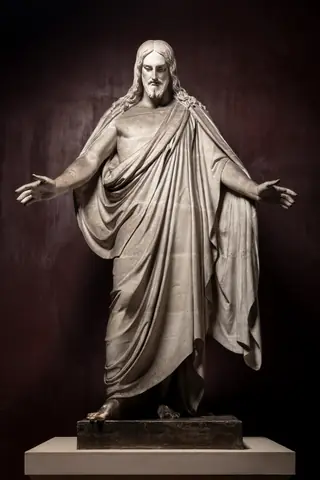 Bertel Thorvaldsen1770–1844 · NeoclassicalThe Danish sculptor of Christ and the apostles, and of a dying lion cut into the live rock at Lucerne.
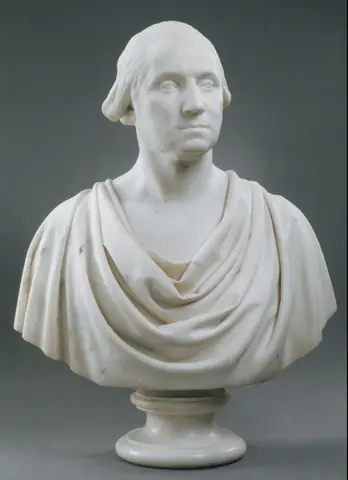 Hiram Powers1805–1873 · Nineteenth centuryThe American sculptor in Florence who made marble likenesses of Washington, Franklin, and Jackson, and a quiet ideal bust called Ginevra.
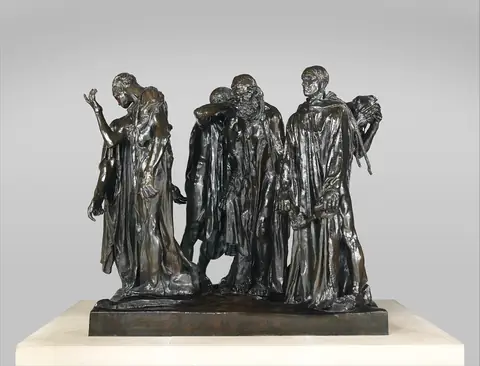 Auguste Rodin1840–1917 · Nineteenth centuryThe sculptor who could make a burgher walk toward death in a heavy cloak, and two hands rise into a cathedral.
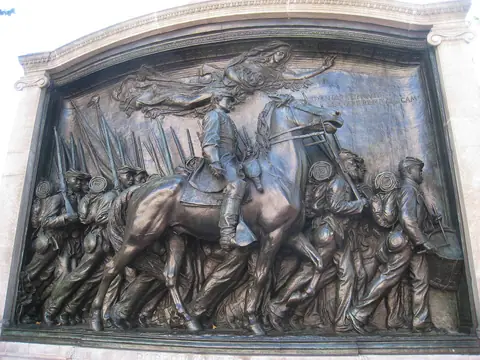 Augustus Saint-Gaudens1848–1907 · Nineteenth centuryThe American sculptor of the Shaw Memorial, the standing Lincoln, and a Puritan who still seems to be walking into the wind.
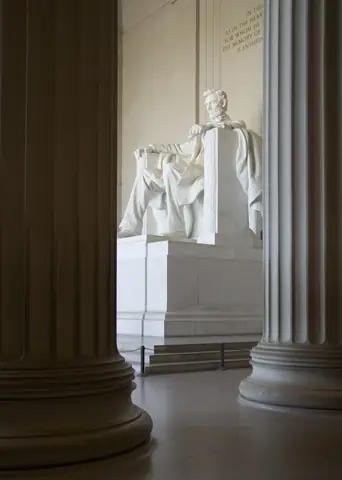 Daniel Chester French1850–1931 · Nineteenth and early twentieth centuryThe sculptor of the seated Lincoln in the Memorial, and of the Minute Man who still seems ready to leave the plow.
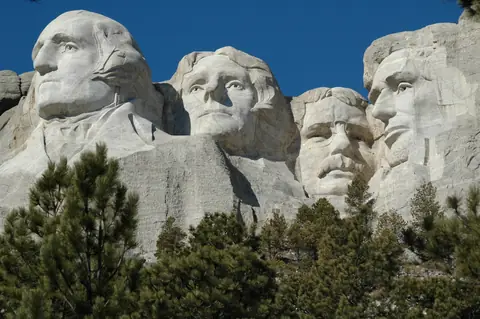 Gutzon Borglum1867–1941 · Nineteenth and twentieth centuryThe sculptor of Mount Rushmore, and of civic bronzes that still stand in Washington and Chicago.
Every picture shown is suitable for all ages. Where a painter's or sculptor's best-known work includes nudity, it is named for older students but not shown. Paintings are public-domain photographs of two-dimensional works (or museum CC0 releases). Photographs of sculpture are used only when the photograph itself is marked Public domain or CC0, or CC BY with the photographer named in the credit line under the picture.