Edwin A. Abbott
1838–1926 · 19th Century
English schoolmaster and Anglican clergyman whose Flatland joins geometric imagination to social satire.
Writers & PoetsScientists & Mathematicians
Books for: 9-12
Choose a grade level to see the books, lives and reading lists for your grade first. Nothing is hidden for good: you can always show all grades.
Collection
Short biographies of notable people from antiquity to the present day, including the authors of the works in the library, each with books to read about them by grade level, from picture-book biographies to standard lives.
See also Lives & Memoirs, Plutarch, Heroes & Villains and Signers of the Declaration. Quotations appear only where they could be checked against a text in the library. Pictures are public-domain portraits; many people have none yet.
1838–1926 · 19th Century
English schoolmaster and Anglican clergyman whose Flatland joins geometric imagination to social satire.
Books for: 9-12
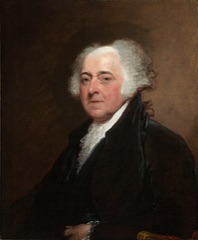
1735–1826 · 18th Century
Leader of American independence and second President of the United States.
Books for: 6-8, 9-12
1767–1848 · 19th Century
Sixth President of the United States who later, as a congressman, fought the gag rule and argued the Amistad captives' case before the Supreme Court.
Books for: 9-12
1920–2016 · Postwar Contemporary
English novelist, author of Watership Down.
Books for: 6-8
1722–1803 · 18th Century
Boston patriot and Congregationalist organizer who steered Massachusetts toward independence and signed the Declaration.
Books for: 6-8
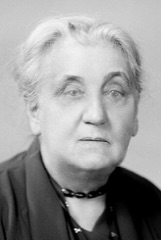
1860–1935 · 19th Century
American social reformer who founded Hull House in Chicago and won the Nobel Peace Prize in 1931.
Books for: 9-12
c. 525–456 BC · Ancient
Athenian playwright, the earliest Greek tragedian whose plays survive, author of the Oresteia trilogy.
Books for: 9-12
c. 620–564 BC (traditional) · Ancient
Storyteller of ancient Greece to whom hundreds of fables, such as The Tortoise and the Hare, have been attributed.
Books for: K-2
1542–1605 · Renaissance Early Modern
Mughal emperor who expanded his empire across northern India and welcomed debate among religions.
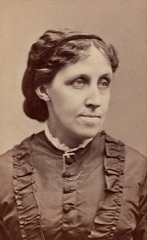
1832–1888 · 19th Century
American novelist, author of Little Women.
Books for: 3-5
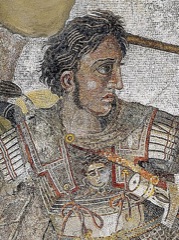
356–323 BC · Ancient
Macedonian king who conquered the Persian Empire and spread Greek culture from Egypt to India.
Books for: 3-5, 9-12
849–899 · Medieval
King of Wessex who defended England against the Vikings and promoted learning.
Books for: 9-12
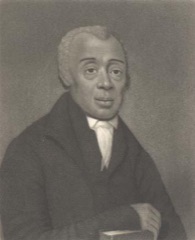
1760–1831 · 18th Century
American minister and founder of the African Methodist Episcopal Church, who led relief work in Philadelphia's 1793 yellow fever epidemic.
Books for: 9-12
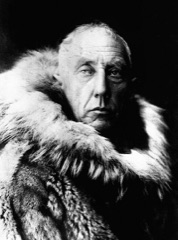
1872–1928 · Early 20th Century
Norwegian explorer who led the first expedition to reach the South Pole.
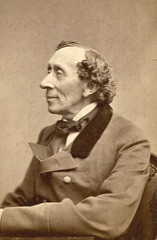
1805–1875 · 19th Century
Danish author of fairy tales, including The Little Mermaid, The Ugly Duckling and The Emperor's New Clothes.
Books for: K-2, 6-8
1889–1987 · Early 20th Century
American writer and illustrator of children's books, author of the Newbery Medal winner The Door in the Wall.
Books for: 3-5
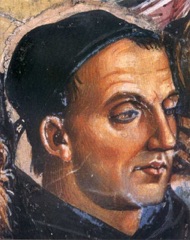
c. 1395–1455 · Renaissance Early Modern
Dominican friar and painter of luminous religious frescoes at San Marco in Florence.
Books for: 9-12
born 1948 · Postwar Contemporary
Afghan-American author of Destiny Disrupted: A History of the World Through Islamic Eyes and the memoir West of Kabul, East of New York.
Books for: 9-12
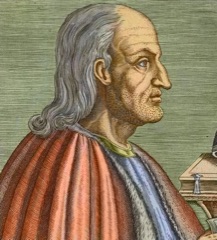
c. 1033–1109 · Medieval
Monk, archbishop and philosopher of faith seeking understanding.
Books for: 9-12
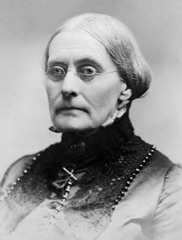
1820–1906 · 19th Century
Leader of the campaign for women's right to vote in the United States.
Books for: 3-5
1st or 2nd century AD (author unknown) · Ancient
Unknown ancient author whose Library, a handbook of the Greek myths from the creation to Odysseus, has come down under the name Apollodorus.
Books for: 9-12
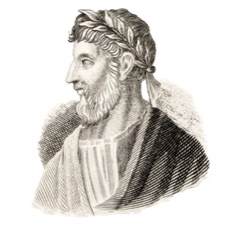
3rd century BC · Ancient
Greek poet and scholar of Alexandria, author of the Argonautica, the epic of Jason and the quest for the Golden Fleece.
Books for: 9-12
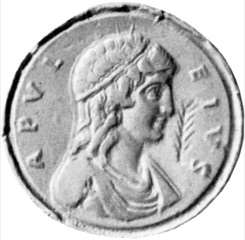
c. 124–after 170 · Ancient
Latin writer and philosopher from North Africa, author of the Metamorphoses, also called The Golden Ass.
Books for: 9-12
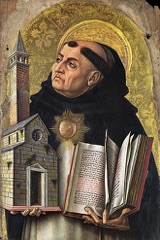
1225–1274 · Medieval
Dominican friar and theologian who joined Aristotle's philosophy with Christian theology.
Books for: 9-12
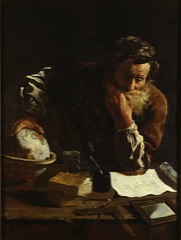
c. 287–212 BC · Ancient
Greek mathematician and engineer of Syracuse, famous for buoyancy, levers and war machines.
Books for: 9-12
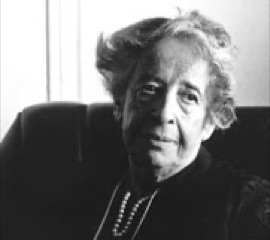
1906–1975 · Early 20th Century
German-born American political philosopher, author of The Origins of Totalitarianism and Eichmann in Jerusalem.
Books for: 9-12
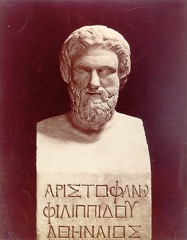
c. 446–c. 386 BC · Ancient
Comic playwright of classical Athens, author of The Clouds, The Birds and Lysistrata.
Books for: 9-12
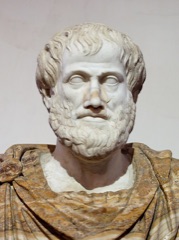
384–322 BC · Ancient
Greek philosopher and scientist, tutor of Alexander, whose works shaped learning for two thousand years.
Books for: 9-12
c. 304–232 BC · Ancient
Indian emperor who turned from conquest to Buddhist teaching after the bloody Kalinga war.
Books for: 9-12
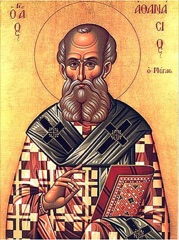
c. 296–373 · Ancient
Bishop of Alexandria who defended the full divinity of Christ against Arianism.
Books for: 9-12
1892–1948 and 1896–1979 · Early 20th Century
Chicago husband and wife, a classics teacher and a French teacher, who together wrote the Newbery Honor book Mr. Popper's Penguins (1938).
Books for: 3-5
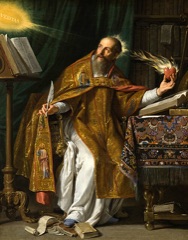
354–430 · Ancient
North African bishop and theologian, author of the Confessions and City of God.
Books for: 9-12
63 BC–AD 14 · Ancient
First Roman emperor, who ended a century of civil wars and began the long Roman peace.
Books for: 9-12
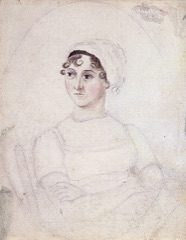
1775–1817 · 19th Century
English novelist, author of Pride and Prejudice, Sense and Sensibility and Emma.
Books for: 9-12
1947–2024 · Postwar Contemporary
American novelist and memoirist, author of The New York Trilogy.
Books for: 9-12
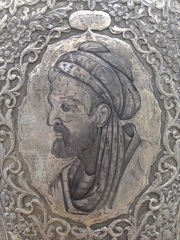
c. 980–1037 · Medieval
Persian physician and philosopher, author of the Canon of Medicine.
Books for: 9-12
1873–1952 · Early 20th Century
Mexican novelist and physician, author of The Underdogs, the first great novel of the Mexican Revolution.
Books for: 9-12
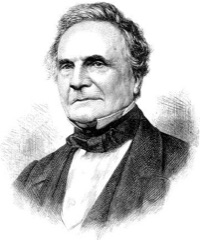
1791–1871 · 19th Century
English mathematician who designed the first programmable mechanical computer.
Books for: 9-12
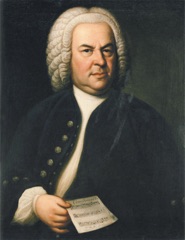
1685–1750 · 18th Century
German composer and organist of the St. Matthew Passion and the Brandenburg Concertos.
Books for: 9-12
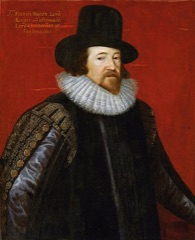
1561–1626 · Renaissance Early Modern
English statesman and essayist who championed experiment and observation in science.
Books for: 9-12
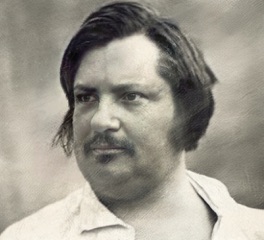
1799–1850 · 19th Century
French novelist, author of Father Goriot and the many novels of The Human Comedy.
Books for: 9-12
1891–1941 · Early 20th Century
Canadian surgeon who with Charles Best isolated insulin in Toronto in 1921–1922, turning diabetes from a death sentence into a treatable disease.
Books for: 9-12
1427/28–c. 1521 · Renaissance Early Modern
Venetian nobleman whose day-by-day diary is one of the most important eyewitness accounts of the fall of Constantinople in 1453.
Books for: 9-12
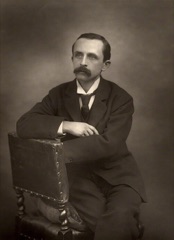
1860–1937 · 19th Century
Scottish novelist and playwright, creator of Peter Pan.
Books for: 3-5
1886–1968 · Early 20th Century
Swiss Reformed theologian, author of the Church Dogmatics and principal drafter of the Barmen Declaration.
Books for: 9-12
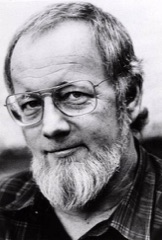
1931–1989 · Postwar Contemporary
American short-story writer known for playful, experimental fiction, collected in Sixty Stories.
Books for: 9-12
1729–1795 · 18th Century
New Hampshire physician and signer who later served as the state's chief justice and governor.
Books for: 6-8
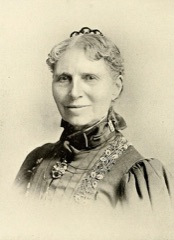
1821–1912 · 19th Century
Civil War nurse who founded the American Red Cross.
Books for: 3-5
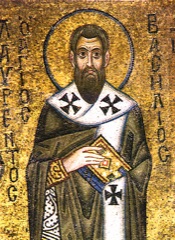
c. 330–379 · Ancient
Bishop of Caesarea who shaped Eastern monasticism and built a great hospital for the poor.
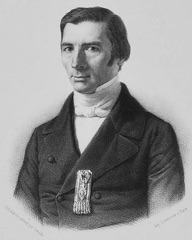
1801–1850 · 19th Century
French economist and member of the National Assembly, author of The Law and the parable of the broken window.
Books for: 9-12
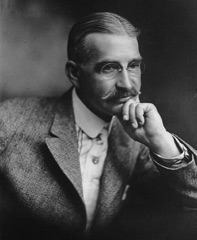
1856–1919 · 19th Century
American author of The Wonderful Wizard of Oz and thirteen more Oz books.
Books for: 3-5
1738–1794 · 18th Century
Italian jurist whose On Crimes and Punishments (1764) argued against torture and the death penalty and changed criminal law in Europe and America.
Books for: 9-12
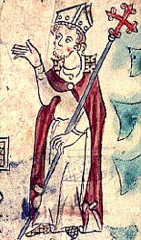
c. 1120–1170 · Medieval
Archbishop of Canterbury murdered in his cathedral after opposing Henry II.
Books for: 9-12
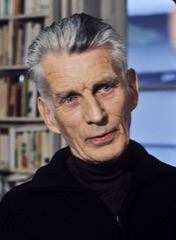
1906–1989 · Early 20th Century
Irish playwright and novelist who wrote in French and English, author of Waiting for Godot, and Nobel laureate.
Books for: 9-12
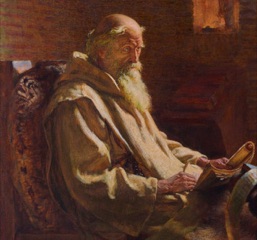
c. 672–735 · Medieval
English monk and scholar of Jarrow, author of the Ecclesiastical History of the English People, often called the father of English history.
Books for: 9-12
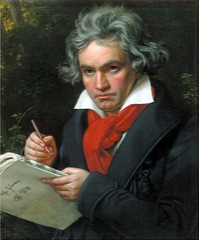
1770–1827 · 19th Century
German composer who kept writing great symphonies after he became deaf.
Books for: 9-12
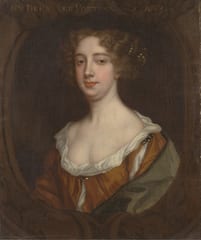
c. 1640–1689 · Renaissance Early Modern
English playwright, poet and novelist; among the first English women to earn a living by writing; author of The Rover and Oroonoko.
Books for: 9-12
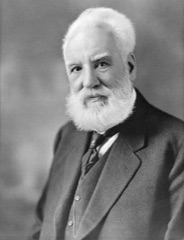
1847–1922 · 19th Century
Teacher of the deaf who invented the telephone.
Books for: 3-5
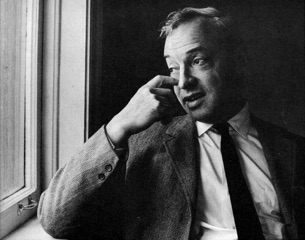
1915–2005 · Postwar Contemporary
Canadian-born American novelist, author of The Adventures of Augie March and Herzog, and winner of the Nobel Prize in Literature.
Books for: 9-12
1915–1981 · Postwar Contemporary
American novelist and children's author, writer of Sam the Minuteman and The Off-Islanders.
Books for: K-2
c. 480–547 · Medieval
Father of Western monasticism, whose Rule organized monastic life around prayer and work.
Books for: 9-12
1927–2022 · Postwar Contemporary
German theologian Joseph Ratzinger, pope of the Catholic Church from 2005 until his resignation in 2013.
Books for: 9-12
1859–1941 · Early 20th Century
French philosopher of time, intuition and creative evolution; Nobel Prize in Literature, 1927.
Books for: 9-12
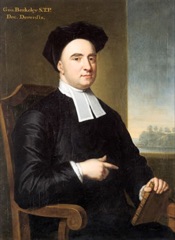
1685–1753 · 18th Century
Irish philosopher and Anglican bishop, known for the idea that to be is to be perceived.
Books for: 9-12
1090–1153 · Medieval
Cistercian abbot, preacher and adviser to popes and kings.
Books for: 9-12
1813–1878 · 19th Century
French physiologist who established the experimental method in medicine and the idea of the internal environment of the body.
Books for: 9-12
1934–2026 · Postwar Contemporary
American farmer, poet, novelist and essayist of rural Kentucky, author of The Unsettling of America and the Port William novels.
Books for: 9-12
1815–1898 · 19th Century
Prussian statesman who unified Germany and became its first chancellor.
1723–1780 · 18th Century
English jurist whose Commentaries on the Laws of England taught law in Britain and America.
Books for: 9-12
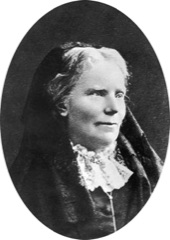
1821–1910 · 19th Century
First woman to earn a medical degree in the United States.
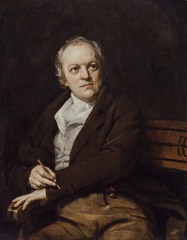
1757–1827 · 18th Century
English poet, painter and printmaker, author of Songs of Innocence and of Experience.
Books for: 3-5, 6-8
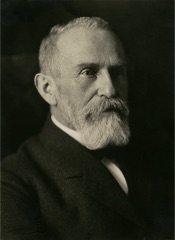
1857–1939 · 19th Century
Swiss psychiatrist who coined the terms schizophrenia and autism and directed the Burghölzli hospital in Zurich.
Books for: 9-12
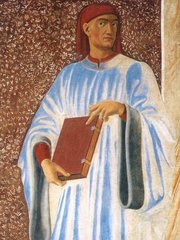
1313–1375 · Medieval
Florentine author of the Decameron, friend of Petrarch, and early champion of Dante, one of the founders of Renaissance humanism.
Books for: 9-12
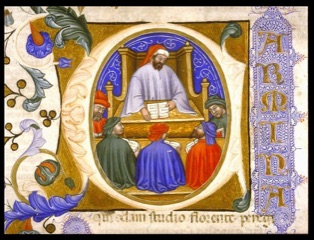
c. 477–524 · Medieval
Roman statesman who wrote The Consolation of Philosophy while awaiting execution.
Books for: 9-12
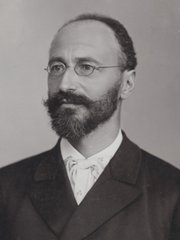
1851–1914 · 19th Century
Austrian economist and finance minister of the Austrian School, known for his theory of capital and interest and his critique of Marx.
Books for: 9-12
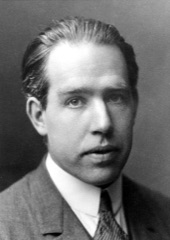
1885–1962 · Early 20th Century
Danish physicist who explained the structure of the atom using quantum ideas.
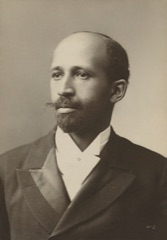
1868–1963 · Early 20th Century
American sociologist, historian and civil rights leader, author of The Souls of Black Folk and co-founder of the NAACP.
Books for: 9-12
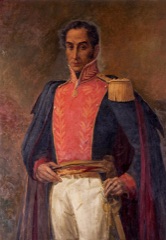
1783–1830 · 19th Century
The Liberator, who led much of South America to independence from Spain.
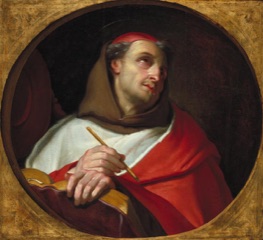
1221–1274 · Medieval
Italian Franciscan theologian, minister general of the Franciscan order and author of The Journey of the Mind into God.
Books for: 9-12
1926–2017 · Postwar Contemporary
English author of the Paddington Bear books.
Books for: 3-5
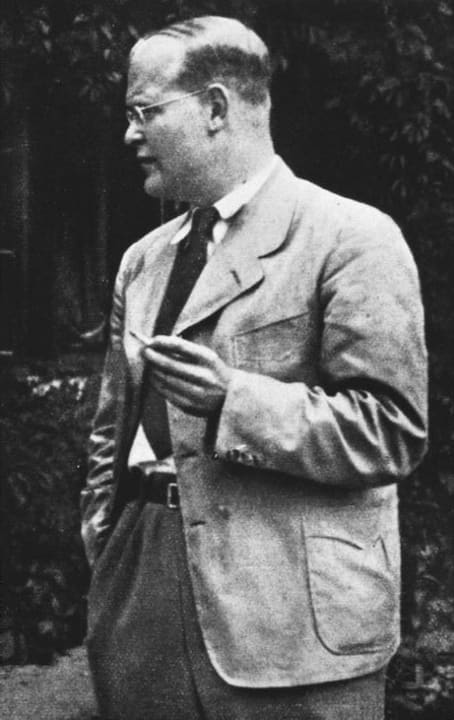
1906–1945 · Early 20th Century
German pastor and theologian executed for resisting Hitler.
Books for: 9-12
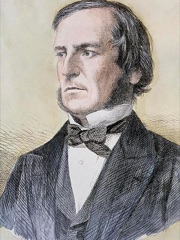
1815–1864 · 19th Century
English mathematician who created Boolean algebra, the logic of true and false later used in computers.
Books for: 9-12
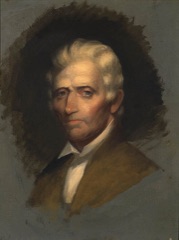
1734–1820 · 18th Century
Frontiersman who blazed the Wilderness Road through the Cumberland Gap into Kentucky.
Books for: 3-5
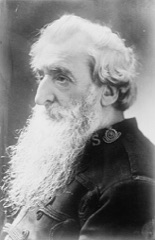
1829–1912 and 1829–1890 · 19th Century
Methodist evangelists who founded the Salvation Army in London's East End and campaigned for the poor.
Books for: 9-12
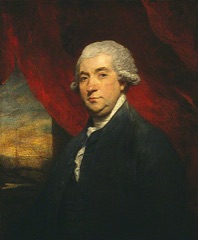
1740–1795 · 18th Century
Scottish lawyer and diarist, author of The Life of Samuel Johnson.
Books for: 9-12
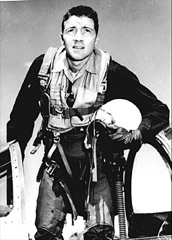
1927–1997 · Postwar Contemporary
American fighter pilot and military strategist who developed energy–maneuverability theory and the OODA loop.
Books for: 9-12
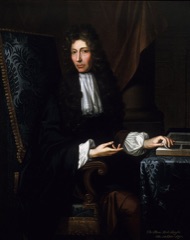
1627–1691 · Renaissance Early Modern
Irish-born chemist and experimenter, known for Boyle's law of gases.
Books for: 9-12
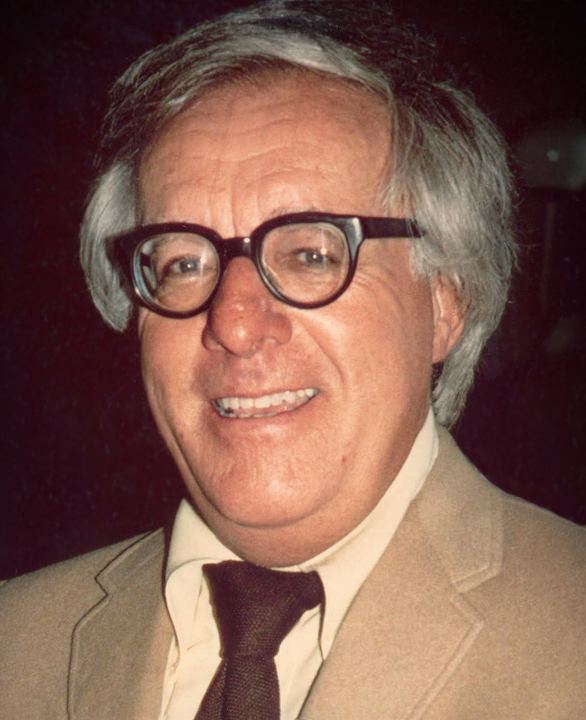
1920–2012 · Postwar Contemporary
American author of Fahrenheit 451, The Martian Chronicles and Dandelion Wine.
Books for: 9-12
1590–1657 · Renaissance Early Modern
Governor of Plymouth Colony for most of its first generation, and author of Of Plymouth Plantation.
Books for: 6-8, 9-12
1625–1664 · Renaissance Early Modern
Dutch Mennonite preacher who compiled the Martyrs Mirror (1660), a history of Christians who suffered for their faith.
Books for: 9-12
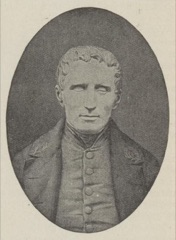
1809–1852 · 19th Century
French teacher, blind from childhood, who invented the braille system of raised-dot reading.
Books for: 3-5
1736–1797 · 18th Century
Virginia planter who signed the Declaration; the war damaged his commercial ventures, and later stories often exaggerate his losses.
Books for: 6-8
1898–1956 · Early 20th Century
German playwright and poet, author of The Threepenny Opera and Mother Courage and Her Children.
Books for: 9-12
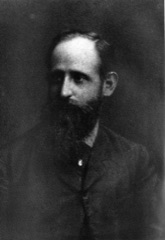
1842–1925 · 19th Century
Austrian physician whose treatment of Anna O. led to the cathartic method, an early basis of psychoanalysis.
Books for: 9-12
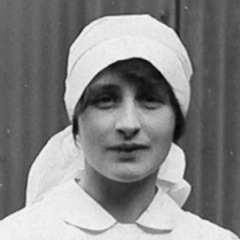
1893–1970 · Early 20th Century
English writer, nurse and pacifist, author of Testament of Youth, a memoir of the First World War.
Books for: 9-12
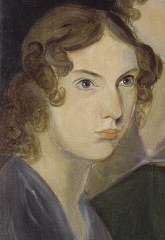
1820–1849 · 19th Century
English novelist and poet, the youngest of the Brontë sisters, author of Agnes Grey and The Tenant of Wildfell Hall.
Books for: 9-12
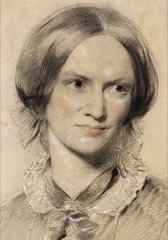
1816–1855 · 19th Century
English novelist and poet, eldest of the Brontë sisters to survive childhood, author of Jane Eyre and Villette.
Books for: 9-12
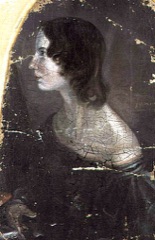
1818–1848 · 19th Century
English novelist and poet, author of Wuthering Heights.
Books for: 9-12
1906–1994 · Postwar Contemporary
American critic and Yale professor, a leading New Critic, author of The Well Wrought Urn and co-author of Understanding Poetry.
Books for: 9-12
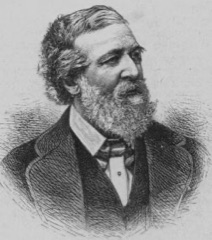
1812–1889 · 19th Century
English poet, master of the dramatic monologue, author of My Last Duchess and The Ring and the Book.
Books for: 9-12
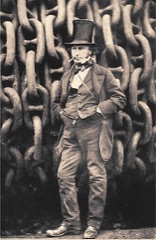
1806–1859 · 19th Century
British engineer of the Great Western Railway, bridges and giant iron steamships.
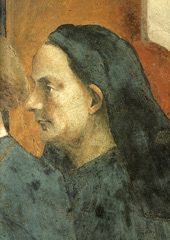
1377–1446 · Renaissance Early Modern
Architect who built the great dome of Florence Cathedral and rediscovered linear perspective.
Books for: 9-12
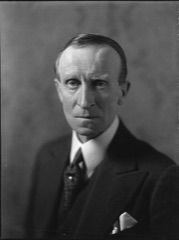
1875–1940 · Early 20th Century
Scottish novelist and statesman, author of The Thirty-Nine Steps and governor general of Canada.
Books for: 6-8
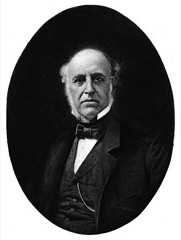
1796–1867 · 19th Century
American author whose retellings of Greek and Roman myths, Arthurian legends and Charlemagne tales were collected as Bulfinch's Mythology.
Books for: 6-8
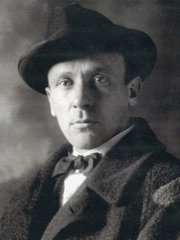
1891–1940 · Early 20th Century
Russian writer and physician, author of The Master and Margarita.
Books for: 9-12
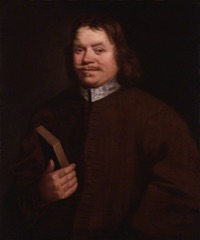
1628–1688 · Renaissance Early Modern
English Puritan preacher, author of The Pilgrim's Progress, written partly in prison.
Books for: 6-8, 9-12
1874–1965 · Early 20th Century
American conservationist and author of children's nature stories about Peter Rabbit, Jimmy Skunk and their animal neighbours.
Books for: 3-5
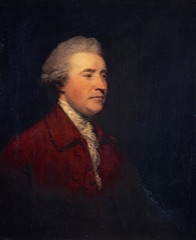
1729–1797 · 18th Century
Irish-born statesman and writer, critic of the French Revolution and founder of modern conservatism.
Books for: 9-12
1849–1924 · 19th Century
English-American novelist and playwright, author of Little Lord Fauntleroy, A Little Princess and The Secret Garden.
Books for: 3-5
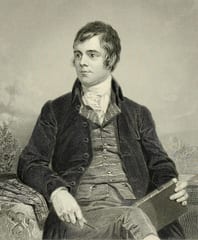
1759–1796 · 18th Century
Scotland's national poet: To a Mouse, The Cotter's Saturday Night, Tam o' Shanter, Auld Lang Syne and hundreds of Scottish songs.
Books for: 3-5, 6-8, 9-12
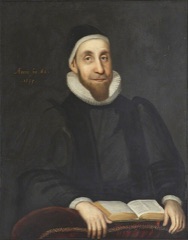
1577–1640 · Renaissance Early Modern
English scholar and clergyman, author of The Anatomy of Melancholy.
Books for: 9-12
1909–1968 · Postwar Contemporary
American author and illustrator of Mike Mulligan and His Steam Shovel and the Caldecott Medal book The Little House.
Books for: K-2
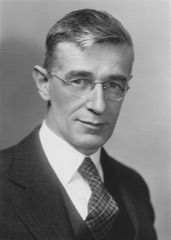
1890–1974 · Early 20th Century
American engineer who led U.S. scientific research during the Second World War and wrote the essay "As We May Think".
Books for: 9-12
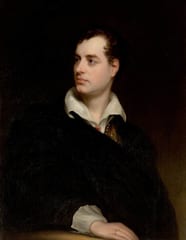
1788–1824 · 19th Century
Romantic poet of Childe Harold's Pilgrimage and Hebrew Melodies, who died aiding the Greek war of independence.
Books for: 6-8, 9-12
1912–1980 · Postwar Contemporary
Australian psychiatrist who in 1949 reported that lithium salts calm mania, the first effective drug treatment in modern psychiatry.
Books for: 9-12
died c. 680 · Medieval
Anglo-Saxon cowherd of Whitby Abbey, the earliest English poet known by name, whose short Hymn survives.
Books for: 9-12
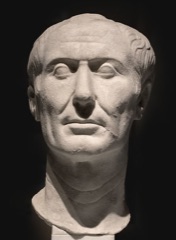
100–44 BC · Ancient
Roman general and dictator whose rise and murder ended the Roman Republic.
Books for: 3-5, 9-12
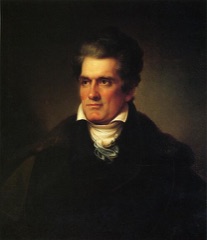
1782–1850 · 19th Century
South Carolina statesman, vice president under two presidents, and leading defender of states' rights and slavery before the Civil War.
Books for: 9-12
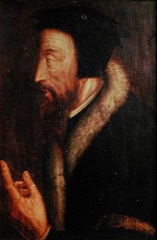
1509–1564 · Renaissance Early Modern
French Reformer in Geneva whose Institutes shaped Reformed and Presbyterian churches.
Books for: 9-12
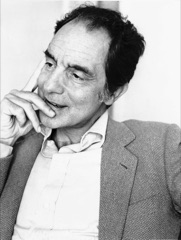
1923–1985 · Postwar Contemporary
Italian novelist and essayist, author of Invisible Cities, If on a Winter's Night a Traveler and Why Read the Classics?
Books for: 9-12
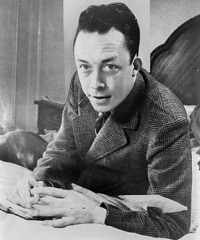
1913–1960 · Postwar Contemporary
French writer born in Algeria, author of The Stranger and The Plague, who received the Nobel Prize in Literature in 1957.
Books for: 9-12
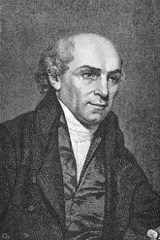
1761–1834 · 19th Century
English Baptist shoemaker who became a missionary to India and Bible translator, often called the father of modern missions.
Books for: 9-12
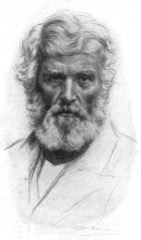
1795–1881 · 19th Century
Scottish essayist and historian of The French Revolution, On Heroes, Past and Present and Frederick the Great; Victorian prophet of work and sincerity.
Books for: 9-12
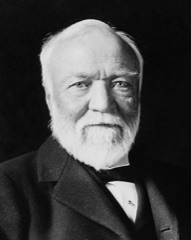
1835–1919 · 19th Century
Scottish-American steel magnate who gave away most of his fortune to libraries and education.
Books for: 6-8, 9-12
1737–1832 · 18th Century
The only Catholic signer of the Declaration, one of the richest men in the colonies, and the last of the fifty-six to die.
Books for: 6-8
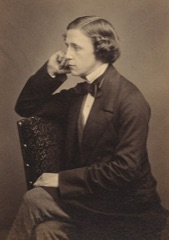
1832–1898 · 19th Century
English writer and Oxford mathematician, author of Alice's Adventures in Wonderland and Through the Looking-Glass.
Books for: 3-5, 6-8
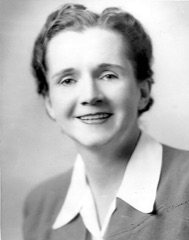
1907–1964 · Postwar Contemporary
Marine biologist and writer whose Silent Spring warned about pesticides.
Books for: 3-5
1491–1557 · Renaissance Early Modern
French navigator who explored the St. Lawrence River and named Canada.
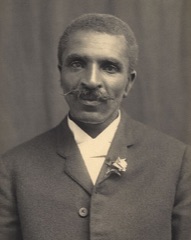
c. 1864–1943 · Early 20th Century
Agricultural scientist at Tuskegee who taught crop rotation and found many uses for peanuts.
Books for: K-2, 3-5
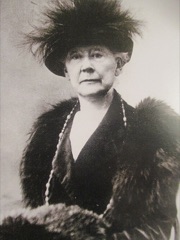
1844–1926 · Early 20th Century
American painter who joined the Impressionists in Paris and painted mothers and children.
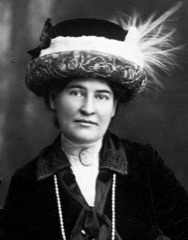
1873–1947 · Early 20th Century
American novelist of the Great Plains, author of O Pioneers!, My Ántonia and Death Comes for the Archbishop.
Books for: 9-12
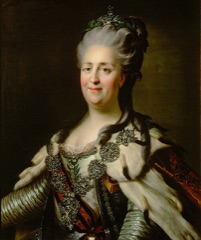
1729–1796 · 18th Century
German-born empress who expanded Russia and corresponded with Enlightenment thinkers.
Books for: 9-12
1347–1380 · Medieval
Italian mystic who cared for the sick and urged the pope to return to Rome.
Books for: 9-12
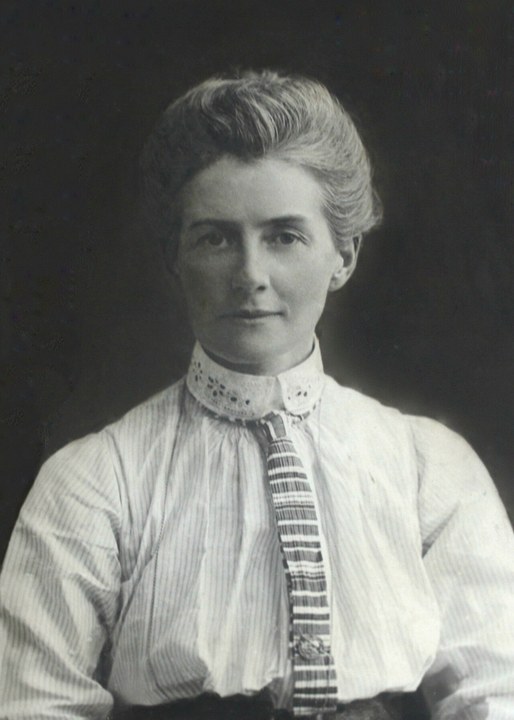
1865–1915 · Early 20th Century
British nurse and matron in Brussels who helped Allied soldiers escape German-occupied Belgium and was executed in 1915.
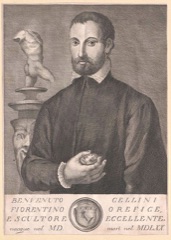
1500–1571 · Renaissance Early Modern
Florentine goldsmith and sculptor of the Renaissance, maker of the bronze Perseus and author of a famous autobiography.
Books for: 9-12
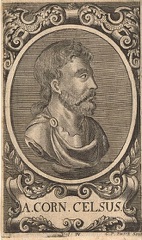
c. 25 BC–c. AD 50 · Ancient
Roman writer of the early first century whose De Medicina is one of the best sources for ancient medicine.
Books for: 9-12
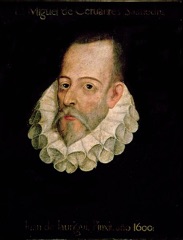
1547–1616 · Renaissance Early Modern
Spanish novelist, playwright and poet, author of Don Quixote.
Books for: 9-12
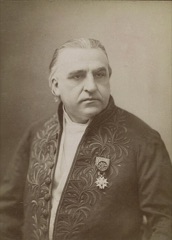
1825–1893 · 19th Century
French neurologist at the Salpêtrière in Paris who described multiple sclerosis and taught Sigmund Freud.
Books for: 9-12
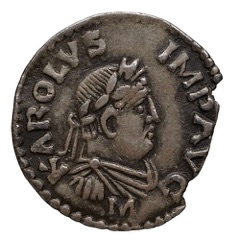
c. 747–814 · Medieval
King of the Franks crowned emperor in 800, who united much of western Europe and revived learning.
Books for: 9-12
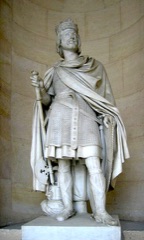
c. 688–741 · Medieval
Frankish ruler who stopped an Umayyad army near Tours in 732.
1741–1811 · 18th Century
Maryland signer later named to the Supreme Court, impeached by his political opponents in 1805 and acquitted.
Books for: 6-8
1940–1989 · Postwar Contemporary
English travel writer and novelist, author of In Patagonia.
Books for: 9-12
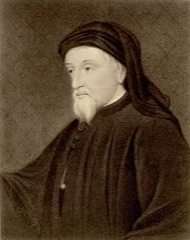
c. 1343–1400 · Medieval
English poet, author of The Canterbury Tales and Troilus and Criseyde, often called the father of English literature.
Books for: 9-12
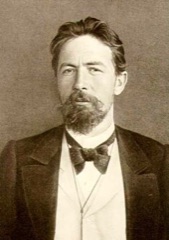
1860–1904 · 19th Century
Russian playwright and short-story writer, author of The Seagull, Uncle Vanya, Three Sisters and The Cherry Orchard.
Books for: 9-12
1500–1582 · Renaissance Early Modern
Chinese novelist and poet of the Ming dynasty, widely considered the author of Journey to the West, the story of the Monkey King.
Books for: 6-8
born 1949 · Postwar Contemporary
American biographer, author of Washington: A Life and Alexander Hamilton, which inspired the musical Hamilton.
Books for: 9-12
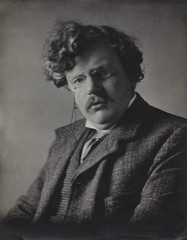
1874–1936 · Early 20th Century
English writer of the Father Brown stories, Orthodoxy and witty essays.
Books for: 6-8, 9-12
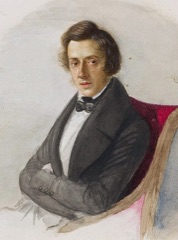
1810–1849 · 19th Century
Polish composer and pianist whose works explored every mood of the piano.
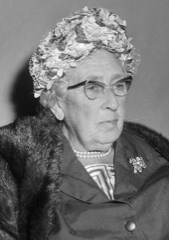
1890–1976 · Early 20th Century
English detective novelist, creator of Hercule Poirot and Miss Marple and one of the best-selling authors of all time.
Books for: 6-8
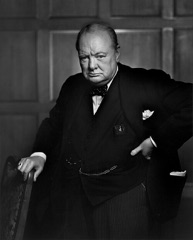
1874–1965 · Early 20th Century
British prime minister who led his country through the Second World War.
Books for: 3-5, 9-12
106–43 BC · Ancient
Roman orator, lawyer and statesman whose Latin prose became a model for centuries.
Books for: 9-12
1726–1794 · 18th Century
New Jersey surveyor and 'poor man's counselor' who signed the Declaration; two of his sons were captured while serving in the army.
Books for: 6-8
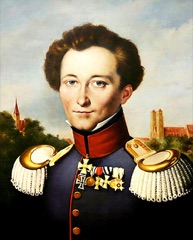
1780–1831 · 19th Century
Prussian general and military theorist, author of On War.
Books for: 9-12
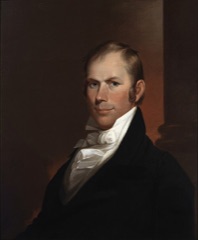
1777–1852 · 19th Century
Kentucky senator and Speaker of the House known as the Great Compromiser for his efforts to settle sectional disputes.
Books for: 9-12
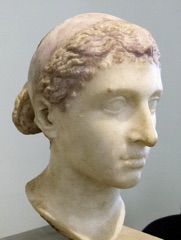
69–30 BC · Ancient
Last active ruler of Ptolemaic Egypt, ally of Julius Caesar and Mark Antony.
Books for: 6-8, 9-12
1739–1813 · 18th Century
Philadelphia merchant who took his seat after 4 July, signed the Declaration, and later signed the Constitution.
Books for: 6-8
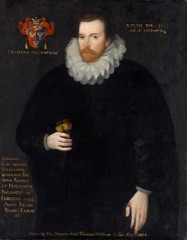
1552–1634 · Renaissance Early Modern
English judge who defended the common law against royal power and drafted the Petition of Right.
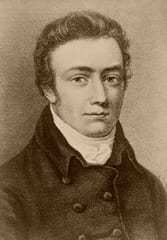
1772–1834 · 19th Century
Romantic poet of The Rime of the Ancient Mariner and Kubla Khan, co-author of Lyrical Ballads, and critic of Biographia Literaria.
Books for: 9-12
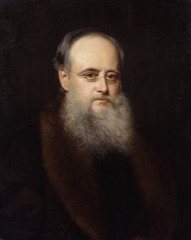
1824–1889 · 19th Century
English novelist, author of The Woman in White and The Moonstone, pioneer of the mystery and detective novel.
Books for: 9-12
1826–1890 · 19th Century
Italian writer and journalist, author of The Adventures of Pinocchio.
Books for: 3-5
1881–1972 · Early 20th Century
Irish poet, playwright and children's author who retold myths and legends, including The Golden Fleece.
Books for: 3-5
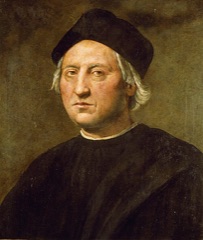
1451–1506 · Renaissance Early Modern
Genoese sailor whose voyages for Spain began lasting contact between Europe and the Americas.
Books for: K-2, 3-5
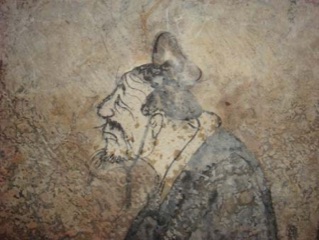
551–479 BC · Ancient
Chinese teacher whose sayings on virtue, family and government shaped East Asian civilization.
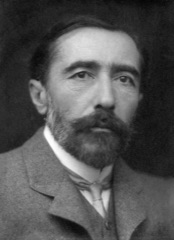
1857–1924 · 19th Century
Polish-born British novelist of the sea and empire, author of Heart of Darkness and Lord Jim.
Books for: 9-12
c. 272–337 · Ancient
First Roman emperor to become a Christian; founder of Constantinople.
Books for: 9-12
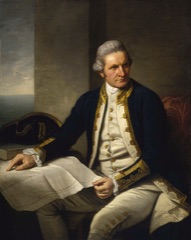
1728–1779 · 18th Century
British navigator who charted New Zealand, eastern Australia and much of the Pacific.
1908–2006 · Postwar Contemporary
British-born American writer of books for young readers on Greek myths, history and biography, including The Trojan War.
Books for: 6-8
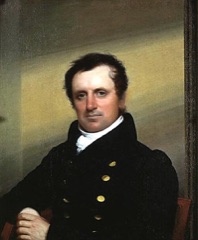
1789–1851 · 19th Century
American novelist of the frontier, author of The Last of the Mohicans and the Leatherstocking Tales.
Books for: 9-12
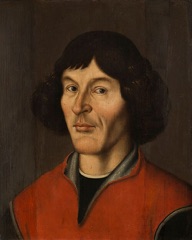
1473–1543 · Renaissance Early Modern
Polish astronomer who proposed that the Earth and planets move around the Sun.
Books for: 9-12
1907–1994 · Postwar Contemporary
English Jesuit priest and historian of philosophy; author of A History of Philosophy (1946–1975); debated Bertrand Russell on God (1948).
Books for: 9-12
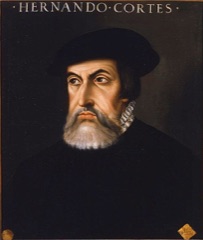
1485–1547 · Renaissance Early Modern
Spanish conquistador who brought down the Aztec Empire.
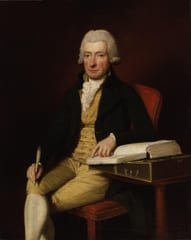
1731–1800 · 18th Century
Evangelical poet of The Task, John Gilpin and the Olney Hymns, and an early poetic voice against the slave trade.
Books for: 3-5, 9-12
1871–1900 · Early 20th Century
American writer of The Red Badge of Courage, a novel of the Civil War, and of poems and short stories.
Books for: 9-12
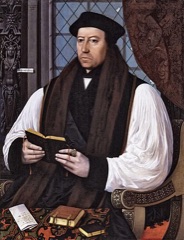
1489–1556 · Renaissance Early Modern
Archbishop of Canterbury under Henry VIII and Edward VI who shaped the English Reformation and wrote much of the Book of Common Prayer.
Books for: 9-12
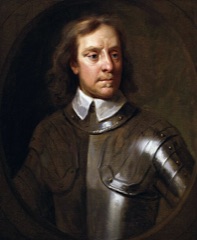
1599–1658 · Renaissance Early Modern
Puritan general who won the English Civil War and ruled as Lord Protector.
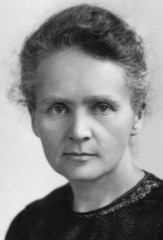
1867–1934 · Early 20th Century
Polish-French physicist and chemist, the first person to win two Nobel Prizes.
Books for: K-2, 3-5
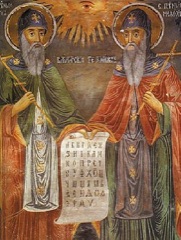
c. 826–869 and c. 815–885 · Medieval
Greek brothers from Thessalonica, missionaries to the Slavs, who devised the first Slavic alphabet and translated the liturgy and Scriptures.
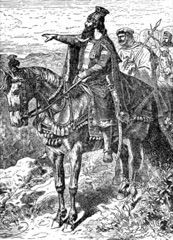
c. 600–530 BC · Ancient
Founder of the Persian Empire, remembered for letting the exiled Jews return to Jerusalem.
Books for: 9-12
1893–1979 · Early 20th Century
Children's author and pioneering editor whose historical stories include The Courage of Sarah Noble and The Bears on Hemlock Mountain.
Books for: K-2
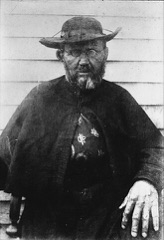
1840–1889 · 19th Century
Belgian priest who served the leprosy settlement on Molokai, Hawaii, until he died of the disease.
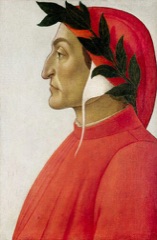
1265–1321 · Medieval
Florentine poet, author of the Divine Comedy, which helped establish Italian as a literary language.
Books for: 9-12
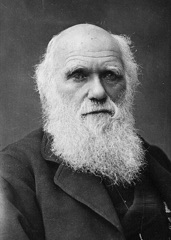
1809–1882 · 19th Century
English naturalist who proposed evolution by natural selection.
Books for: 9-12
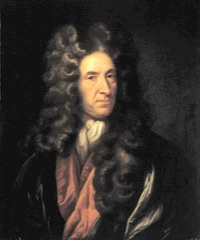
c. 1660–1731 · Renaissance Early Modern
English writer, journalist and merchant, author of Robinson Crusoe.
Books for: 6-8
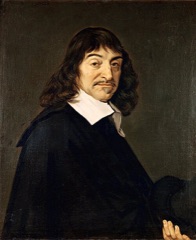
1596–1650 · Renaissance Early Modern
French philosopher and mathematician, author of I think, therefore I am.
Books for: 9-12
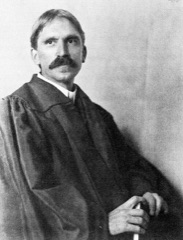
1859–1952 · 19th Century
American philosopher, psychologist and educational reformer, a leading figure of pragmatism.
Books for: 9-12
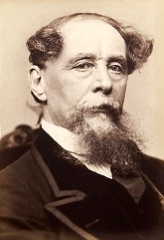
1812–1870 · 19th Century
English novelist of the Victorian age, author of Oliver Twist, A Christmas Carol, David Copperfield and Great Expectations.
Books for: 3-5, 6-8, 9-12
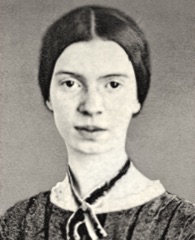
1830–1886 · 19th Century
American poet of Amherst, Massachusetts, whose nearly 1,800 short poems were mostly published after her death.
Books for: 6-8, 9-12
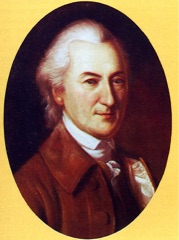
1732–1808 · 18th Century
American lawyer and Founding Father, author of Letters from a Farmer in Pennsylvania.
Books for: 9-12
1713–1784 · 18th Century
French Enlightenment philosopher and chief editor of the Encyclopédie.
Books for: 9-12
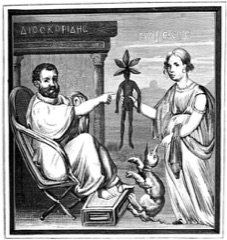
c. 40–90 · Ancient
Greek physician and botanist of the first century whose De Materia Medica was the standard guide to medicinal plants for over 1,500 years.
Books for: 9-12
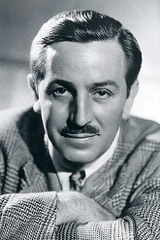
1901–1966 · Early 20th Century
Animator and entrepreneur who created Mickey Mouse, feature-length cartoons and Disneyland.
Books for: 3-5
1802–1887 · 19th Century
American reformer who campaigned for humane state hospitals for the mentally ill and led Union army nurses.
Books for: 9-12
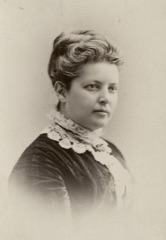
1831–1905 · 19th Century
American children's author and editor, author of Hans Brinker, or The Silver Skates, and editor of St. Nicholas magazine.
Books for: 3-5
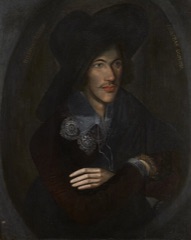
1572–1631 · Renaissance Early Modern
English poet and preacher, a leading Metaphysical poet and Dean of St Paul's Cathedral.
Books for: 9-12
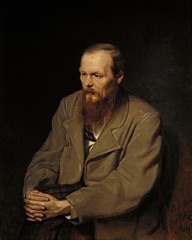
1821–1881 · 19th Century
Russian novelist, author of Crime and Punishment, The Idiot and The Brothers Karamazov.
Books for: 9-12
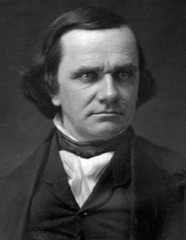
1813–1861 · 19th Century
American senator from Illinois who debated Abraham Lincoln in 1858 and ran against him for president in 1860.
Books for: 9-12
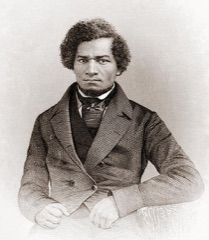
c. 1818–1895 · 19th Century
Escaped from slavery to become a great orator, writer and leader of the abolition movement.
Books for: K-2, 3-5, 6-8
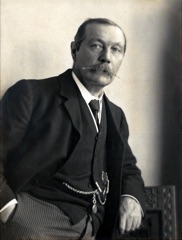
1859–1930 · 19th Century
Scottish physician and writer, creator of the detective Sherlock Holmes.
Books for: 6-8, 9-12
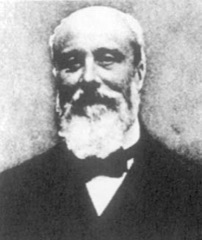
1861–1916 · 19th Century
French physicist, historian and philosopher of science, author of The Aim and Structure of Physical Theory.
Books for: 9-12
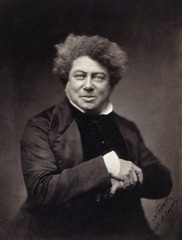
1802–1870 · 19th Century
French novelist and playwright, author of The Three Musketeers and The Count of Monte Cristo.
Books for: 6-8, 9-12
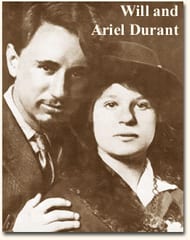
1898–1981 · Early 20th Century
Co-author with Will Durant of later volumes of The Story of Civilization; Pulitzer Prize (1968) and Presidential Medal of Freedom (1977).
Books for: 9-12
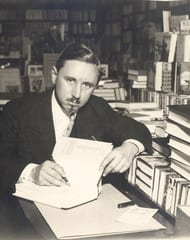
1885–1981 · Early 20th Century
American historian and philosopher; The Story of Philosophy and, with Ariel Durant, the eleven-volume Story of Civilization.
Books for: 9-12
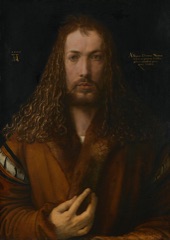
1471–1528 · Renaissance Early Modern
German painter and printmaker whose woodcuts and engravings spread across Europe.
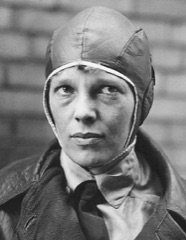
1897–1937 · Early 20th Century
Aviator who was the first woman to fly solo across the Atlantic.
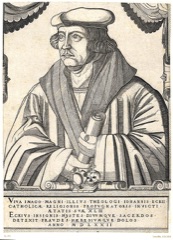
1486–1543 · Renaissance Early Modern
German Catholic theologian who debated Martin Luther and Andreas Karlstadt at the Leipzig Disputation of 1519.
Books for: 9-12
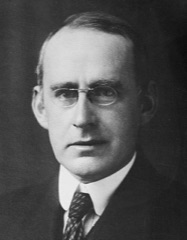
1882–1944 · Early 20th Century
English astrophysicist who studied the interiors of stars and led the 1919 eclipse expedition that tested Einstein's theory of general relativity.
Books for: 9-12
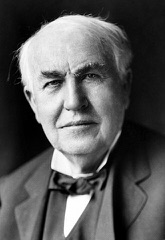
1847–1931 · 19th Century
American inventor of the phonograph and a practical electric light, with over a thousand patents.
Books for: K-2, 3-5, 9-12
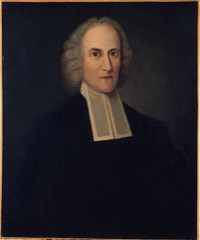
1703–1758 · 18th Century
New England pastor and theologian of the Great Awakening.
Books for: 9-12
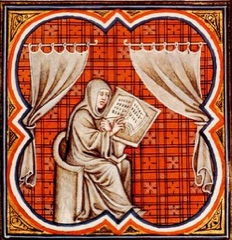
c. 775–840 · Medieval
Frankish scholar at the court of Charlemagne and author of the Life of Charlemagne.
Books for: 9-12
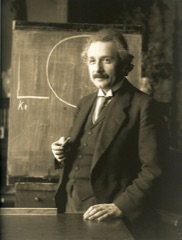
1879–1955 · Early 20th Century
German-born physicist of the theory of relativity and E = mc².
Books for: K-2, 9-12
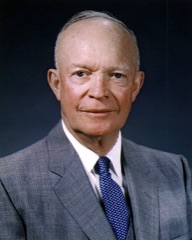
1890–1969 · Postwar Contemporary
Supreme Allied Commander in Europe in World War II and the thirty-fourth president.
Books for: 6-8
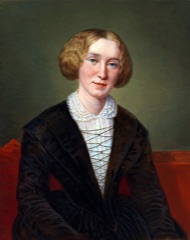
1819–1880 · 19th Century
English Victorian novelist Mary Ann Evans, author of Silas Marner and Middlemarch.
Books for: 9-12
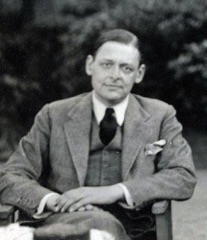
1888–1965 · Early 20th Century
American-born British poet, critic and playwright, author of The Waste Land and Old Possum's Book of Practical Cats.
Books for: 9-12
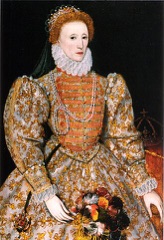
1533–1603 · Renaissance Early Modern
Queen of England whose long reign saw the defeat of the Spanish Armada and a golden age of literature.
Books for: 3-5, 6-8, 9-12
1727–1820 · 18th Century
Rhode Island lawyer and merchant who signed the Declaration and later served as a customs collector in Newport.
Books for: 6-8
1926–2015 · Postwar Contemporary
American Christian missionary and author of Through Gates of Splendor, about the deaths of five missionaries in Ecuador.
Books for: 6-8
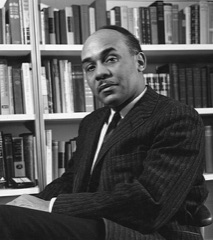
1913–1994 · Postwar Contemporary
American novelist, author of Invisible Man, winner of the National Book Award.
Books for: 9-12
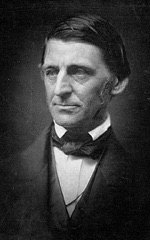
1803–1882 · 19th Century
American essayist, lecturer and poet, leader of the Transcendentalist movement, author of Nature and Self-Reliance.
Books for: 9-12
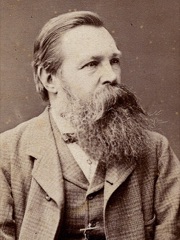
1820–1895 · 19th Century
German social theorist and businessman, coauthor with Karl Marx of The Communist Manifesto.
Books for: 9-12
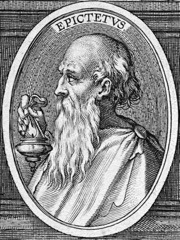
c. 50–c. 135 · Ancient
Greek Stoic philosopher, born enslaved, whose teachings were recorded in the Discourses and the Enchiridion.
Books for: 9-12
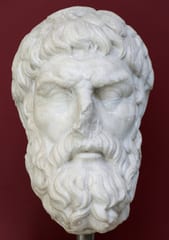
341–270 BC · Ancient
Greek philosopher who taught that happiness is freedom from pain and fear, founder of the Garden school in Athens.
Books for: 9-12
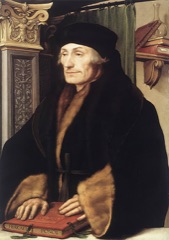
c. 1466–1536 · Renaissance Early Modern
Dutch scholar who edited the Greek New Testament and wrote The Praise of Folly.
Books for: 9-12
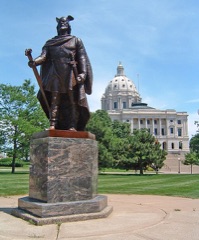
c. 970–1020 · Medieval
Norse explorer who reached North America about five hundred years before Columbus.
Books for: 3-5
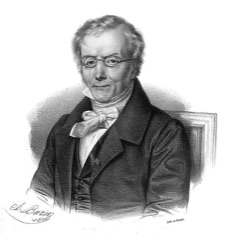
1772–1840 · 19th Century
French psychiatrist, student of Philippe Pinel, who reformed asylums and wrote Mental Maladies.
Books for: 9-12
1906–1988 · Early 20th Century
American children's author and librarian, author of The Moffats, The Hundred Dresses and the Newbery-winning Ginger Pye.
Books for: 3-5
fl. c. 300 BC · Ancient
Greek mathematician of Alexandria whose Elements taught geometry for over two thousand years.
Books for: 6-8, 9-12
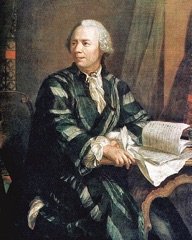
1707–1783 · 18th Century
Swiss mathematician, one of the most productive in history, who kept working after going blind.
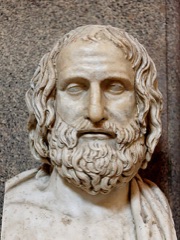
c. 480–406 BC · Ancient
Athenian tragedian, author of Medea, The Trojan Women and The Bacchae.
Books for: 9-12
c. 260–339 · Ancient
Bishop of Caesarea and historian, author of the Ecclesiastical History, the first full history of the early Christian church.
Books for: 9-12
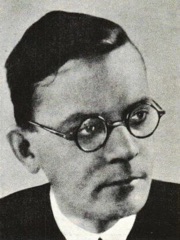
1893–1947 · Early 20th Century
German novelist, author of Little Man, What Now? and Every Man Dies Alone, also published as Alone in Berlin.
Books for: 9-12
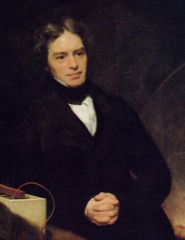
1791–1867 · 19th Century
English experimenter who discovered electromagnetic induction.
Books for: 6-8, 9-12
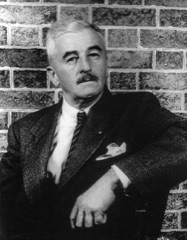
1897–1962 · Early 20th Century
American novelist of the South, author of The Sound and the Fury and As I Lay Dying, and Nobel laureate.
Books for: 9-12
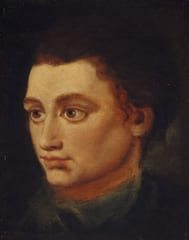
1750–1774 · 18th Century
Edinburgh poet in Scots whose Auld Reekie and The Farmer's Ingle inspired Robert Burns; he died at twenty-four.
Books for: 9-12
1924–1994 · Postwar Contemporary
Austrian philosopher of science, author of Against Method, who argued that science has no single method.
Books for: 9-12
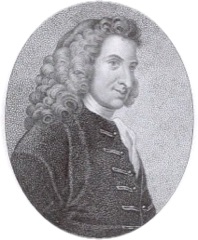
1707–1754 · 18th Century
English novelist, playwright and magistrate; author of Joseph Andrews, Tom Jones, Amelia and Jonathan Wild; cofounder of the Bow Street Runners.
Books for: 9-12
1588–1653 · Renaissance Early Modern
English political theorist, author of Patriarcha, a defense of the divine right of kings.
Books for: 9-12
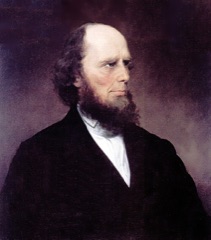
1792–1875 · 19th Century
American revivalist preacher of the Second Great Awakening and president of Oberlin College.
Books for: 9-12
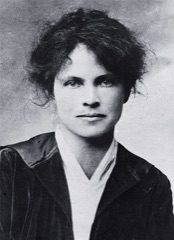
1879–1958 · Early 20th Century
American author, educator and reformer whose children's novel Understood Betsy promoted Montessori-style learning.
Books for: 3-5
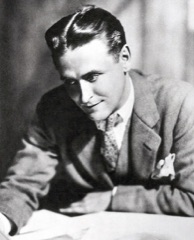
1896–1940 · Early 20th Century
American novelist of the Jazz Age, author of The Great Gatsby and This Side of Paradise.
Books for: 9-12
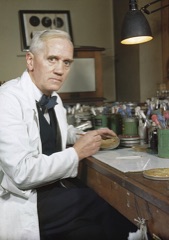
1881–1955 · Early 20th Century
Scottish bacteriologist who discovered penicillin.
1734–1821 · 18th Century
Long Island landowner who signed the Declaration; his family fled when the British occupied his estate.
Books for: 6-8
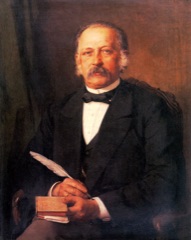
1819–1898 · 19th Century
German novelist and poet of the realist era, author of Effi Briest.
Books for: 9-12
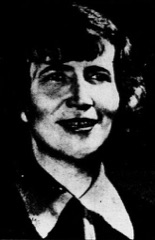
1891–1967 · Early 20th Century
American novelist and historian who won the Pulitzer Prize for a biography of Paul Revere and the Newbery Medal for Johnny Tremain.
Books for: 6-8
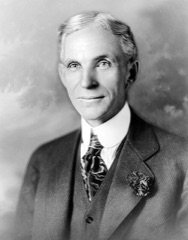
1863–1947 · Early 20th Century
Automaker whose Model T and moving assembly line put America on wheels.
Books for: 3-5, 9-12
1879–1970 · Early 20th Century
English novelist and critic, author of A Room with a View, Howards End, A Passage to India and the lectures Aspects of the Novel.
Books for: 9-12
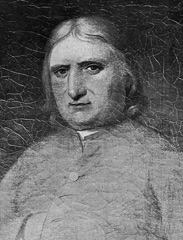
1624–1691 · Renaissance Early Modern
English preacher who founded the Religious Society of Friends, or Quakers, teaching that the inner light of Christ is in every person.
Books for: 9-12
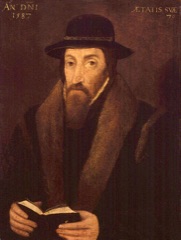
1516/17–1587 · Renaissance Early Modern
English Protestant clergyman and historian whose Actes and Monuments, known as Foxe's Book of Martyrs, told the stories of Christian martyrs.
Books for: 9-12
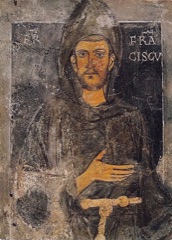
1181/82–1226 · Medieval
Italian friar who embraced poverty, founded the Franciscans and loved all creation.
Books for: 3-5, 9-12
1905–1997 · Early 20th Century
Austrian psychiatrist and Holocaust survivor, author of Man's Search for Meaning.
Books for: 9-12
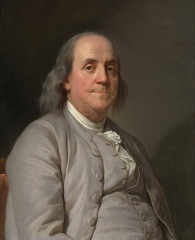
1706–1790 · 18th Century
Printer, scientist, inventor and diplomat; signer of the Declaration and the Constitution.
Books for: K-2, 3-5, 6-8, 9-12
1920–1958 · Postwar Contemporary
English chemist whose X-ray photographs of DNA, including Photo 51, were crucial evidence for the double helix.
Books for: 9-12
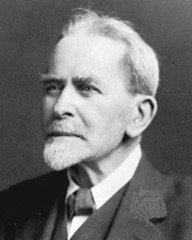
1854–1941 · 19th Century
Scottish anthropologist and classicist, author of The Golden Bough, a comparative study of myth, magic and religion.
Books for: 9-12
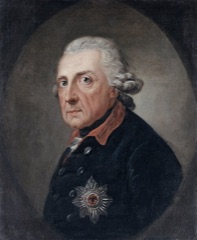
1712–1786 · 18th Century
King of Prussia, a brilliant general and patron of the Enlightenment.
Books for: 9-12
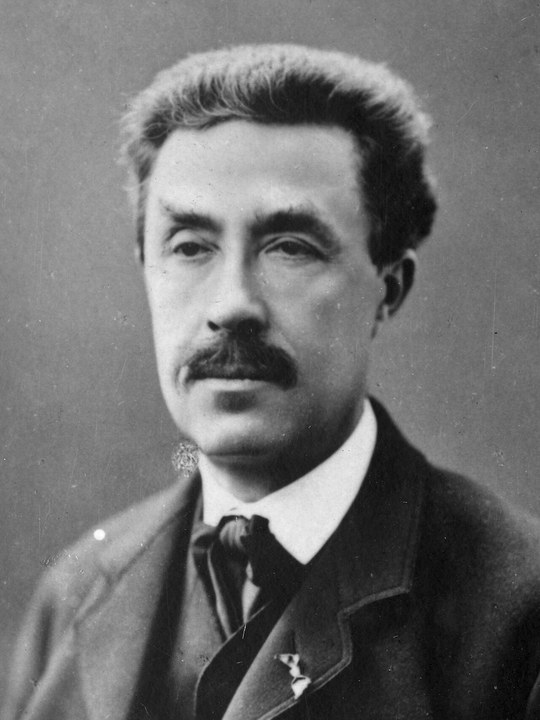
1824–1910 · 19th Century
French sculptor of animals and of the gilded equestrian Joan of Arc at the Place des Pyramides in Paris.
Books for: 9-12
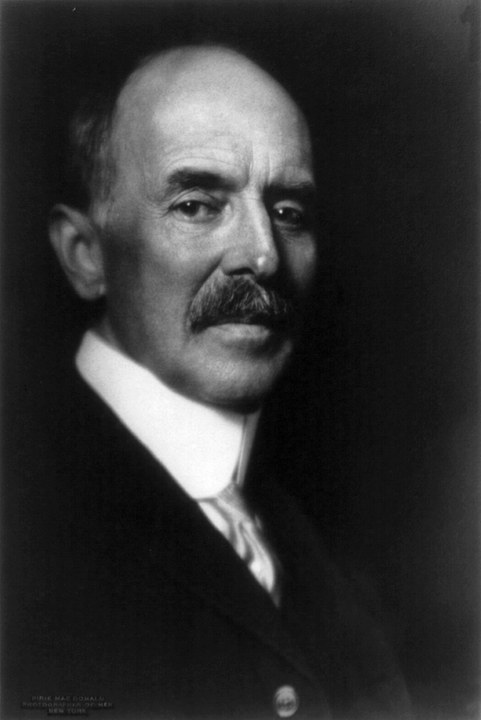
1850–1931 · 19th Century
American sculptor of the Minute Man at Concord and of the seated Abraham Lincoln in the Lincoln Memorial.
Books for: 3-5, 9-12
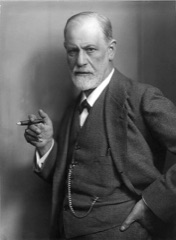
1856–1939 · Early 20th Century
Austrian neurologist who founded psychoanalysis.
Books for: 9-12
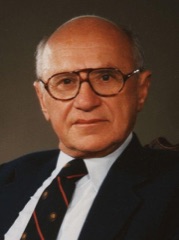
1912–2006 · Postwar Contemporary
American economist and Nobel laureate, a leading advocate of free markets and author of Capitalism and Freedom.
Books for: 9-12
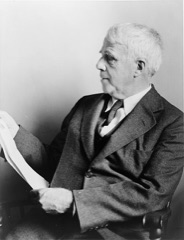
1874–1963 · Early 20th Century
American poet of rural New England, author of The Road Not Taken and Stopping by Woods on a Snowy Evening, four times winner of the Pulitzer Prize.
Books for: 6-8
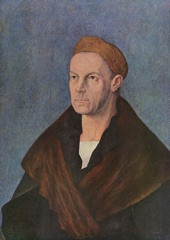
1459–1525 · Renaissance Early Modern
Augsburg merchant and banker, perhaps the richest man of his age, who financed emperors.
Books for: 9-12
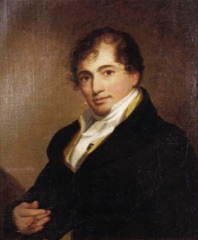
1765–1815 · 19th Century
American engineer who built the first commercially successful steamboat.
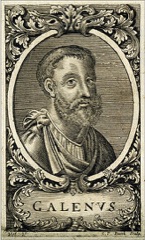
129–c. 216 · Ancient
Greek physician in Rome whose writings dominated medicine for 1,400 years.
Books for: 9-12
1564–1642 · Renaissance Early Modern
Italian astronomer and physicist who turned the telescope on the sky and studied motion.
Books for: 3-5, 9-12
c. 1469–1524 · Renaissance Early Modern
Portuguese navigator who opened the sea route from Europe around Africa to India.
1869–1948 · Early 20th Century
Leader of India's independence movement through nonviolent resistance.
Books for: 3-5
1923–2024 · Postwar Contemporary
American author of My Father's Dragon and its two sequels.
Books for: K-2
1807–1882 · 19th Century
Italian patriot and guerrilla general who led the Thousand to help unify Italy.
1810–1865 · 19th Century
English Victorian novelist and biographer, author of Cranford, North and South and The Life of Charlotte Brontë.
Books for: 6-8, 9-12
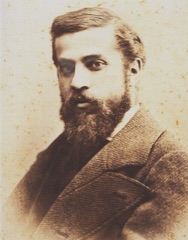
1852–1926 · Early 20th Century
Catalan architect of the Sagrada Família, with buildings inspired by the shapes of nature.
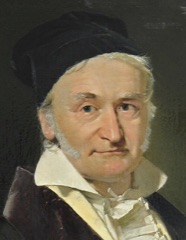
1777–1855 · 19th Century
German mathematician called the prince of mathematicians.
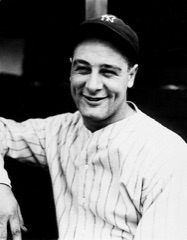
1903–1941 · Early 20th Century
New York Yankees first baseman who played 2,130 consecutive games and gave the 'Luckiest Man' farewell speech.
Books for: 6-8
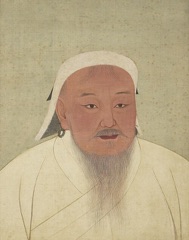
c. 1162–1227 · Medieval
Founder of the Mongol Empire, the largest land empire in history.
Books for: 9-12
1919–2012 · Postwar Contemporary
American author of more than one hundred nature books for young readers, including My Side of the Mountain and Julie of the Wolves.
Books for: 3-5
1744–1814 · 18th Century
Massachusetts signer who later refused to sign the Constitution without a bill of rights and died as vice president.
Books for: 6-8
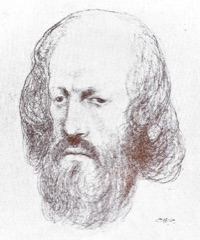
c. 1058–1111 · Medieval
Persian Muslim theologian, jurist and philosopher whose works, including The Incoherence of the Philosophers and his autobiography, shaped Islamic thought.
Books for: 9-12
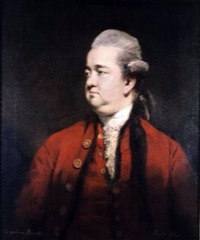
1737–1794 · 18th Century
English historian, author of The History of the Decline and Fall of the Roman Empire.
Books for: 9-12
1902–1989 · Early 20th Century
English novelist and poet, author of the comic novel Cold Comfort Farm (1932).
Books for: 9-12
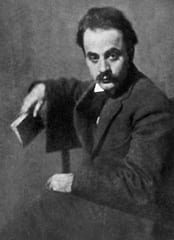
1883–1931 · Early 20th Century
Lebanese-American poet and painter, author of The Prophet.
Books for: 9-12
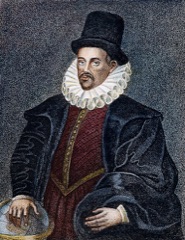
1544–1603 · Renaissance Early Modern
English physician to Elizabeth I whose book De Magnete (1600) showed that the Earth is a giant magnet.
Books for: 9-12
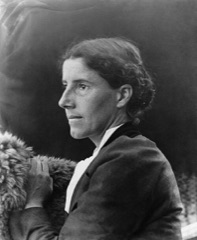
1860–1935 · 19th Century
American writer and lecturer for women's causes, author of The Yellow Wallpaper, Women and Economics and Herland.
Books for: 9-12
c. 1267–1337 · Medieval
Florentine painter who brought new life and solidity to figures, opening the way to the Renaissance.
Books for: 9-12
1908–1973 · Postwar Contemporary
Texas writer, author of Old Yeller.
Books for: 3-5
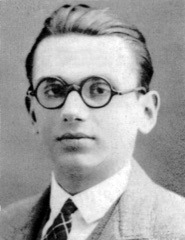
1906–1978 · Early 20th Century
Austrian-American logician whose incompleteness theorems showed the limits of formal mathematical systems.
Books for: 9-12
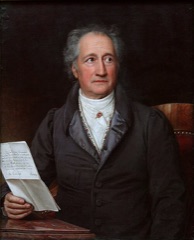
1749–1832 · 18th Century
German poet, playwright, novelist and scientist, author of Faust and The Sorrows of Young Werther.
Books for: 9-12
1853–1890 · 19th Century
Dutch painter of The Starry Night and Sunflowers, known for bold color and brushwork.
Books for: 3-5
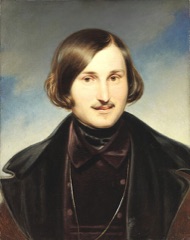
1809–1852 · 19th Century
Ukrainian-born Russian writer, author of The Overcoat, The Government Inspector and Dead Souls.
Books for: 9-12
1911–1993 · Postwar Contemporary
English novelist, author of Lord of the Flies, and winner of the Nobel Prize in Literature.
Books for: 9-12
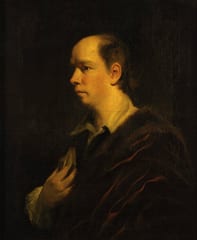
c. 1728–1774 · 18th Century
Irish-born author of The Vicar of Wakefield, The Deserted Village and She Stoops to Conquer, and friend of Samuel Johnson.
Books for: 9-12
born 1969 · Postwar Contemporary
British historian of ancient Rome and novelist, author of studies of the Roman army, Julius Caesar and the Pax Romana.
Books for: 9-12
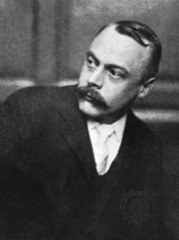
1859–1932 · 19th Century
Scottish-born writer, author of The Wind in the Willows.
Books for: 3-5
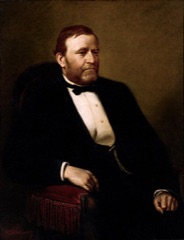
1822–1885 · 19th Century
Union general who won the Civil War and served as the eighteenth president.
Books for: 9-12
fl. c. 1140; died c. 1145 (uncertain) · Medieval
Twelfth-century teacher of law at Bologna whose Decretum organized church law and founded the study of canon law.
Books for: 9-12
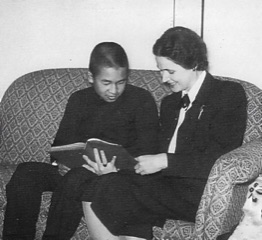
1902–1999 · Early 20th Century
American librarian and author of the Newbery-winning Adam of the Road, who later tutored Japan's Crown Prince Akihito.
Books for: 6-8
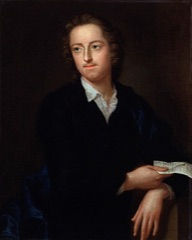
1716–1771 · 18th Century
English poet and scholar, author of Elegy Written in a Country Churchyard.
Books for: 9-12
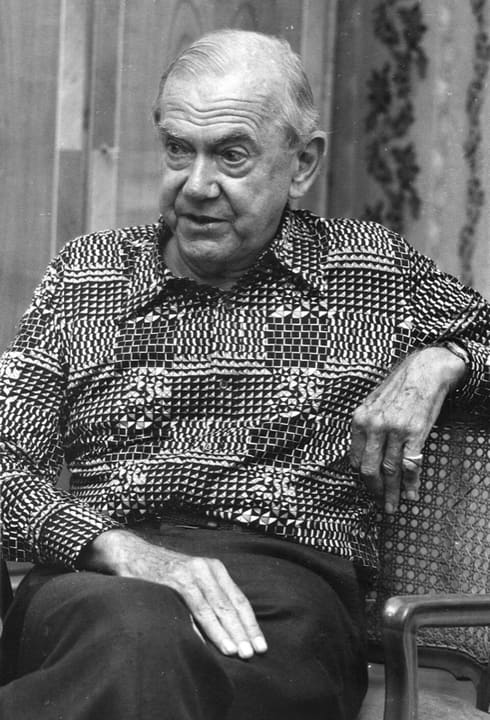
1904–1991 · Early 20th Century
English novelist, author of The Power and the Glory and The Quiet American, whose stories often explore faith and conscience in troubled places.
Books for: 9-12
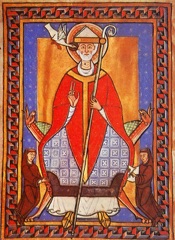
c. 540–604 · Medieval
Pope who reorganized the Church, fed Rome in hard times and sent missionaries to England.
Books for: 9-12
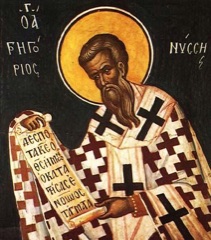
c. 335–c. 395 · Ancient
Bishop of Nyssa and one of the Cappadocian Fathers, theologian of the Trinity and author of On the Making of Man.
Books for: 9-12
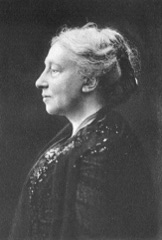
1852–1932 · 19th Century
Irish dramatist and folklorist, co-founder of the Abbey Theatre and reteller of Irish legends.
Books for: 6-8
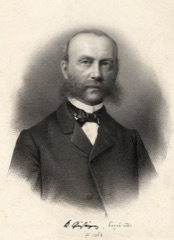
1817–1868 · 19th Century
German psychiatrist and neurologist who argued that mental illnesses are illnesses of the brain and nerves, and reformed asylum care.
Books for: 9-12
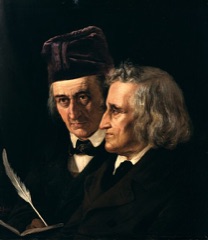
Jacob 1785–1863; Wilhelm 1786–1859 · 19th Century
German scholars Jacob and Wilhelm Grimm, who collected folk tales such as Hansel and Gretel and Snow White in Children's and Household Tales.
Books for: 3-5
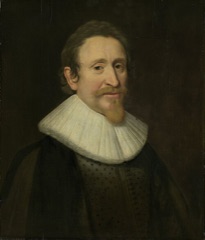
1583–1645 · Renaissance Early Modern
Dutch jurist called a father of international law, author of The Rights of War and Peace.
Books for: 9-12
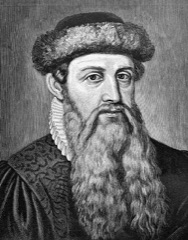
c. 1400–1468 · Renaissance Early Modern
German goldsmith who introduced printing with movable metal type to Europe.
Books for: 9-12
c. 1735–1777 · 18th Century
English-born Georgia signer who died in May 1777 of wounds from a duel with Lachlan McIntosh.
Books for: 6-8
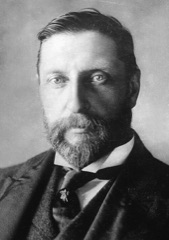
1856–1925 · 19th Century
English writer of adventure novels set in Africa, including King Solomon's Mines and She.
Books for: 6-8
1887–1951 · Early 20th Century
American writer who, with Charles Nordhoff, wrote Mutiny on the Bounty and its sequels.
Books for: 6-8
1724–1790 · 18th Century
Connecticut-born physician and former Congregationalist minister who represented Georgia in Congress and later served as governor.
Books for: 6-8
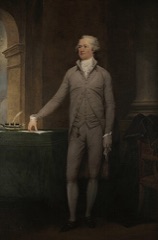
1755 or 1757–1804 · 18th Century
Washington's aide and first Secretary of the Treasury, who built the nation's financial system.
Books for: 3-5, 9-12
c. 1810–1750 BC · Ancient
King of Babylon whose law code is one of the oldest written legal collections to survive.
1737–1793 · 18th Century
President of the Continental Congress whose large signature on the Declaration became the most famous on the document.
Books for: 6-8
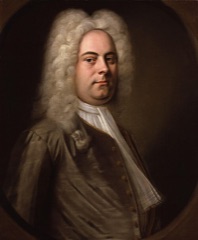
1685–1759 · 18th Century
German-born composer of Messiah and Water Music who made his career in London.
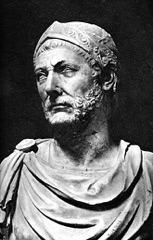
247–c. 183 BC · Ancient
Carthaginian general who crossed the Alps with elephants to invade Rome.
Books for: 9-12
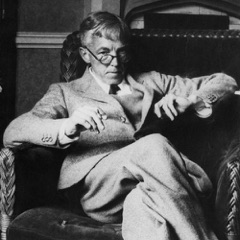
1877–1947 · Early 20th Century
English mathematician known for number theory, his collaboration with Srinivasa Ramanujan and the essay A Mathematician's Apology.
Books for: 9-12
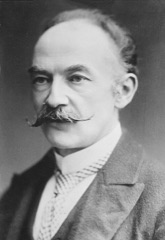
1840–1928 · 19th Century
English novelist and poet, author of Far from the Madding Crowd and Tess of the d'Urbervilles, set in his imagined Wessex.
Books for: 9-12
1833–1911 · 19th Century
Supreme Court justice known as "the Great Dissenter" for his lone dissent in Plessy v. Ferguson (1896) against racial segregation.
Books for: 9-12
born 1979 · Postwar Contemporary
American historian of ancient Rome, author of The Fate of Rome, on climate, disease and the end of the empire.
Books for: 9-12
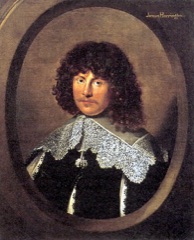
1611–1677 · Renaissance Early Modern
English political theorist, author of The Commonwealth of Oceana, a model of a republic.
Books for: 9-12
1726–1791 · 18th Century
Virginia planter and speaker who signed the Declaration and later served as governor; father of a future president.
Books for: 6-8
c. 1711–1779 · 18th Century
Hunterdon County landowner and speaker of the New Jersey Assembly who signed the Declaration and was driven from his farm in 1776.
Books for: 6-8
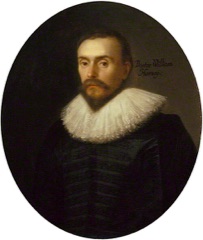
1578–1657 · Renaissance Early Modern
English physician who discovered the circulation of the blood.
Books for: 9-12
c. 1507–1458 BC · Ancient
Woman pharaoh of Egypt's New Kingdom, known for her building projects and trade expedition to Punt.
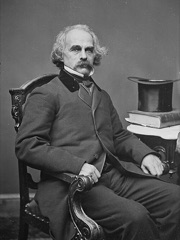
1804–1864 · 19th Century
American novelist and short-story writer, author of The Scarlet Letter and A Wonder-Book.
Books for: 3-5, 9-12
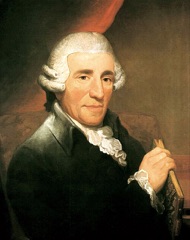
1732–1809 · 18th Century
Austrian composer called the father of the symphony and the string quartet.
1899–1992 · Early 20th Century
Austrian-British economist and philosopher, author of The Road to Serfdom and winner of the 1974 Nobel Memorial Prize in Economics.
Books for: 9-12
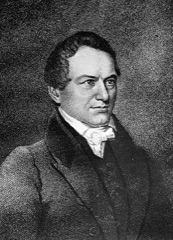
1791–1839 · 19th Century
South Carolina senator and governor who debated Daniel Webster over states' rights and nullification in 1830.
Books for: 9-12
1894–1993 · Early 20th Century
American journalist and economist, author of Economics in One Lesson.
Books for: 9-12
born 1960 · Postwar Contemporary
British historian of late antiquity, author of The Fall of the Roman Empire.
Books for: 9-12
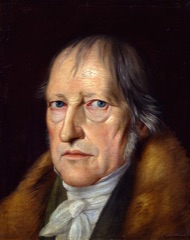
1770–1831 · 19th Century
German idealist philosopher, author of the Phenomenology of Spirit and lectures on the philosophy of history.
Books for: 9-12
1901–1976 · Early 20th Century
German physicist who helped create quantum mechanics and formulated the uncertainty principle; Nobel laureate in physics.
Books for: 9-12
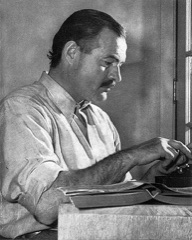
1899–1961 · Early 20th Century
American novelist and journalist, author of A Farewell to Arms and The Old Man and the Sea, winner of the 1954 Nobel Prize in Literature.
Books for: 9-12
1905–1997 · Early 20th Century
German-American philosopher of science known for his account of scientific explanation and the raven paradox.
Books for: 9-12
1133–1189 · Medieval
King of England whose royal courts, travelling judges and juries laid the foundations of the English common law.
Books for: 9-12
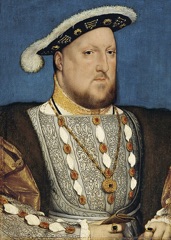
1491–1547 · Renaissance Early Modern
King of England who broke with the pope and married six times.
Books for: 9-12
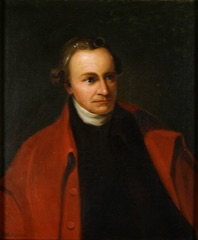
1736–1799 · 18th Century
Virginia lawyer, orator and Founding Father, remembered for 'Give me liberty, or give me death!'
Books for: 6-8
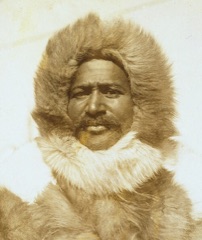
1866–1955 · Early 20th Century
Arctic explorer who was part of the 1909 expedition that claimed the North Pole.
fl. c. 500 BC · Ancient
Greek philosopher of Ephesus who taught that everything is in constant change, known from surviving fragments.
Books for: 9-12
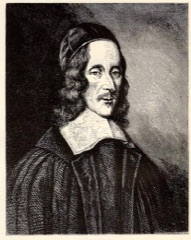
1593–1633 · Renaissance Early Modern
Welsh-born English poet and country parson, author of The Temple, a collection of devotional poems.
Books for: 9-12
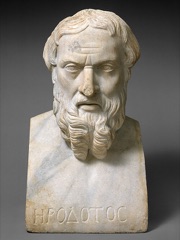
c. 484–c. 425 BC · Ancient
Greek historian from Halicarnassus whose Histories of the Persian Wars earned him the title father of history.
Books for: 9-12
c. 335–c. 280 BC · Ancient
Greek physician at Alexandria, the first known to dissect human bodies systematically and to describe the brain, nerves and pulse.
Books for: 9-12
born 1942 · Postwar Contemporary
English archaeologist and historian of Byzantium and Late Antiquity.
Books for: 9-12
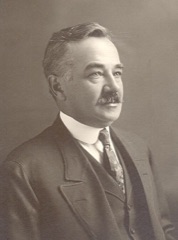
1857–1945 · Early 20th Century
Candy maker who mass-produced milk chocolate and built the town of Hershey, Pennsylvania.
fl. c. 700 BC · Ancient
Early Greek poet of Boeotia, author of the Theogony and Works and Days.
Books for: 9-12
1877–1962 · Early 20th Century
German-born Swiss novelist, author of Siddhartha, Steppenwolf and The Glass Bead Game, winner of the 1946 Nobel Prize in Literature.
Books for: 9-12
1730–1779 · 18th Century
North Carolina merchant who signed the Declaration, helped fit out the early Continental navy, and died while still in Congress.
Books for: 6-8
1746–1809 · 18th Century
South Carolina lawyer who signed the Declaration, was captured at Charleston, and later sat as a judge in his state.
Books for: 6-8
1098–1179 · Medieval
German abbess, visionary writer, composer and naturalist; a Doctor of the Church.
born 1967 · Postwar Contemporary
American author of the nonfiction bestsellers Seabiscuit and Unbroken.
Books for: 9-12
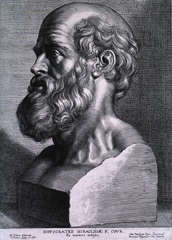
c. 460–370 BC · Ancient
Greek physician of Kos, called the father of medicine.
Books for: 9-12
1925–2011 · Postwar Contemporary
American writer and illustrator of the Frances books for children and of novels for adults.
Books for: K-2
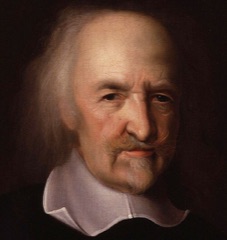
1588–1679 · Renaissance Early Modern
English philosopher whose Leviathan argued for a strong sovereign to prevent civil war.
Books for: 9-12
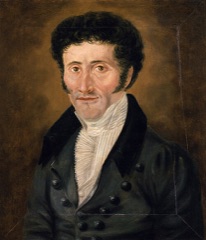
1776–1822 · 19th Century
German writer, composer and judge of the Romantic era, author of The Nutcracker and the Mouse King.
Books for: 3-5
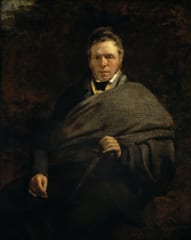
1770–1835 · 19th Century
The Ettrick Shepherd: self-taught Scottish poet and novelist of The Private Memoirs and Confessions of a Justified Sinner.
Books for: 9-12
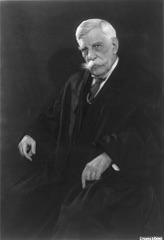
1841–1935 · Early 20th Century
Civil War veteran and Supreme Court justice famed for his dissents and the clear and present danger test.
Books for: 9-12
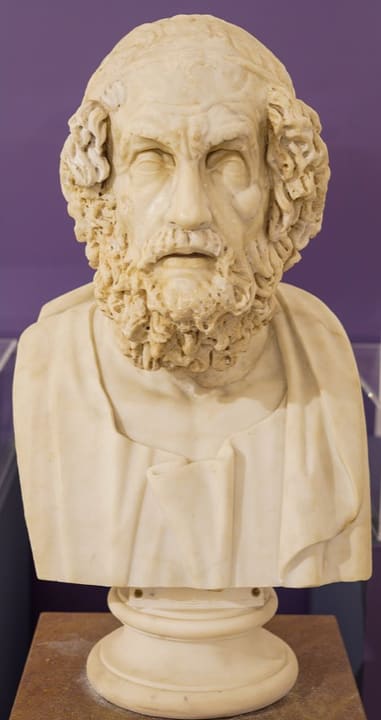
c. 8th century BC (traditional) · Ancient
Ancient Greek poet to whom tradition credits the Iliad and the Odyssey.
Books for: 9-12
1554–1600 · Renaissance Early Modern
English priest and theologian, author of Of the Laws of Ecclesiastical Polity, a foundational work of Anglican thought.
Books for: 9-12
1742–1790 · 18th Century
Boston-born North Carolina lawyer who was away for the July vote and returned to sign the Declaration in August.
Books for: 6-8
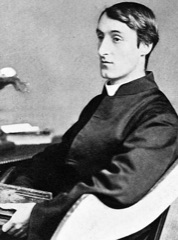
1844–1889 · 19th Century
English poet and Jesuit priest whose innovative poems, such as God's Grandeur and The Windhover, were published after his death.
Books for: 9-12
1707–1785 · 18th Century
Longtime Rhode Island governor, the second-oldest signer, whose hand shook as he wrote his name on the Declaration.
Books for: 6-8
1737–1791 · 18th Century
New Jersey lawyer, musician and satirist who signed the Declaration and later designed several early American emblems.
Books for: 6-8
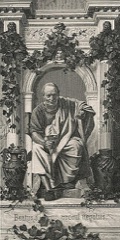
65–8 BC · Ancient
Roman lyric poet and satirist of the age of Augustus, author of the Odes, Satires and Epistles.
Books for: 9-12
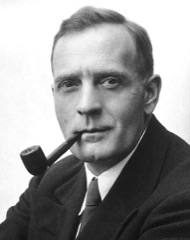
1889–1953 · Early 20th Century
American astronomer who showed that the universe contains many galaxies and is expanding.
c. 1565–1611 · Renaissance Early Modern
English navigator who explored the Hudson River and Hudson Bay looking for a passage to Asia.
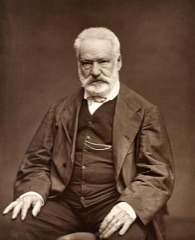
1802–1885 · 19th Century
French poet, novelist and playwright, author of Les Misérables and The Hunchback of Notre-Dame.
Books for: 9-12
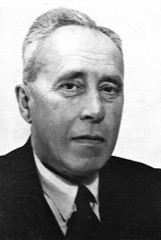
1872–1945 · Early 20th Century
Dutch historian, author of The Waning of the Middle Ages and Homo Ludens.
Books for: 9-12
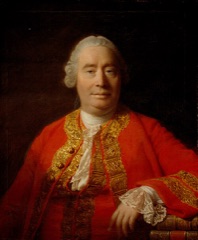
1711–1776 · 18th Century
Scottish philosopher and historian, a leading skeptic of the Enlightenment.
Books for: 9-12
1902–2001 · Early 20th Century
American teacher and children's author of Across Five Aprils, set during the Civil War, and the Newbery-winning Up a Road Slowly.
Books for: 6-8
1731–1796 · 18th Century
Connecticut lawyer who signed the Declaration and later served as president of Congress and governor of his state.
Books for: 6-8
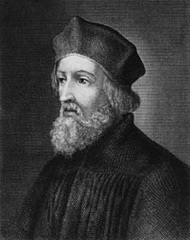
c. 1370–1415 · Medieval
Czech priest and reformer burned at the Council of Constance.
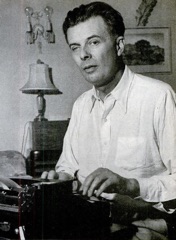
1894–1963 · Early 20th Century
English novelist and essayist, author of the dystopian novel Brave New World.
Books for: 9-12
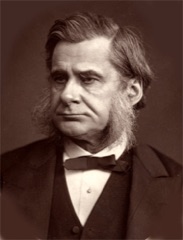
1825–1895 · 19th Century
English biologist and anatomist known as "Darwin's Bulldog" for his defence of the theory of evolution.
Books for: 9-12
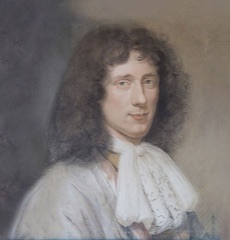
1629–1695 · Renaissance Early Modern
Dutch mathematician, physicist and astronomer who discovered Saturn's moon Titan, invented the pendulum clock and proposed the wave theory of light.
Books for: 9-12
1213–1288 · Medieval
Arab physician in Cairo who first described the pulmonary circulation of the blood, centuries before European anatomists.
Books for: 9-12
1304–c. 1369 · Medieval
Moroccan traveler who journeyed some 75,000 miles across the Islamic world and beyond.
Books for: 9-12
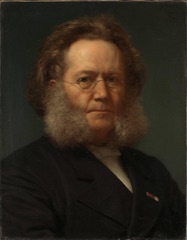
1828–1906 · 19th Century
Norwegian playwright, author of A Doll's House, Hedda Gabler and Peer Gynt, often called the father of modern drama.
Books for: 9-12
died c. 108–140 · Ancient
Early bishop of Antioch who wrote seven letters to churches on his way to martyrdom in Rome.
Books for: 9-12
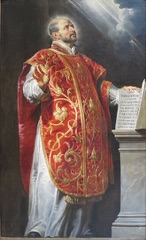
1491–1556 · Renaissance Early Modern
Basque soldier turned priest who founded the Jesuits and wrote the Spiritual Exercises.
1920–2005 · Postwar Contemporary
Polish pope from 1978 to 2005, the first non-Italian pope in more than four centuries, later canonized.
Books for: 9-12
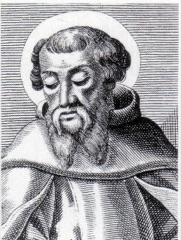
c. 130–202 · Ancient
Bishop of Lyon whose Against Heresies defended the apostolic faith against the Gnostics.
Books for: 9-12
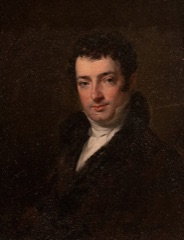
1783–1859 · 19th Century
American writer of The Legend of Sleepy Hollow and Rip Van Winkle, one of the first American authors famous in Europe.
Books for: 6-8
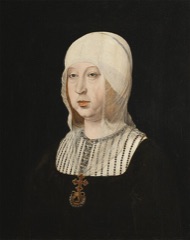
1451–1504 · Renaissance Early Modern
Queen of Castile who united Spain with Ferdinand and sponsored Columbus.
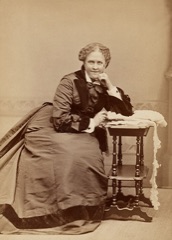
1830–1885 · 19th Century
American poet and novelist who championed the rights of Native Americans in A Century of Dishonor and the novel Ramona.
Books for: 9-12
1892–1954 · Early 20th Century
Supreme Court justice and chief American prosecutor at the Nuremberg trial of Nazi leaders (1945–1946).
Books for: 9-12
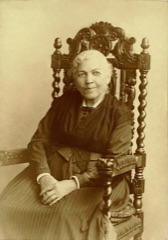
1813–1897 · 19th Century
Formerly enslaved abolitionist and writer, author of Incidents in the Life of a Slave Girl.
Books for: 9-12
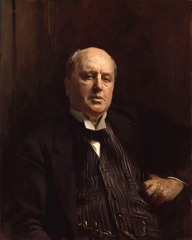
1843–1916 · 19th Century
American-born novelist who settled in England, author of Daisy Miller, The Portrait of a Lady and The Turn of the Screw.
Books for: 9-12
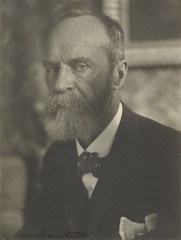
1842–1910 · 19th Century
American philosopher and psychologist, often called the father of American psychology, author of The Principles of Psychology and Pragmatism.
Books for: 9-12
1859–1947 · 19th Century
French psychologist and physician who studied dissociation and traumatic memory.
Books for: 9-12
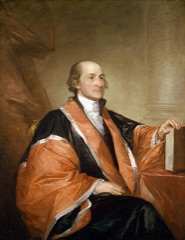
1745–1829 · 18th Century
American Founding Father, co-author of The Federalist Papers and first chief justice of the United States.
Books for: 9-12
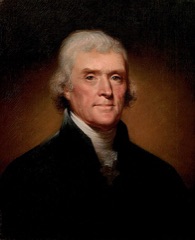
1743–1826 · 18th Century
Author of the Declaration of Independence and third President of the United States.
Books for: 3-5, 6-8, 9-12
1749–1823 · 18th Century
English country doctor who developed vaccination against smallpox.
1859–1927 · 19th Century
English humorist, playwright and editor, author of the comic classic Three Men in a Boat (1889).
Books for: 9-12
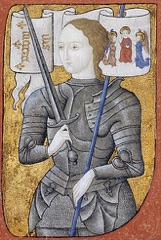
c. 1412–1431 · Medieval
French peasant girl who led the army to lift the siege of Orléans and was burned at the stake.
Books for: 3-5, 9-12
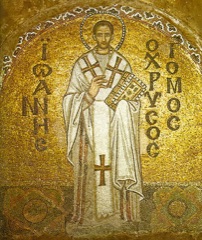
c. 347–407 · Ancient
Archbishop of Constantinople, the Golden Mouth, famous for his preaching.
Books for: 9-12
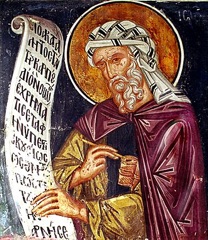
c. 675–749 · Medieval
Syrian monk and theologian who defended the veneration of icons and summarized Greek Christian doctrine in the Exact Exposition of the Orthodox Faith.
Books for: 9-12
1495–1550 · Renaissance Early Modern
Portuguese soldier turned servant of the sick poor in Granada, founder of the Brothers Hospitallers and patron saint of hospitals.
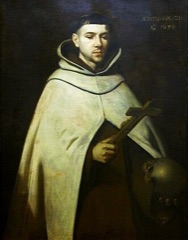
1542–1591 · Renaissance Early Modern
Spanish Carmelite friar, mystic and poet who worked with Teresa of Ávila to reform the Carmelite order; author of Dark Night of the Soul.
Books for: 9-12
1871–1938 · Early 20th Century
Writer, diplomat and civil-rights leader; author of 'Lift Every Voice and Sing' and The Autobiography of an Ex-Colored Man.
Books for: 9-12
1709–1784 · 18th Century
English lexicographer, critic, essayist, and author of Rasselas and A Dictionary of the English Language.
Books for: 9-12
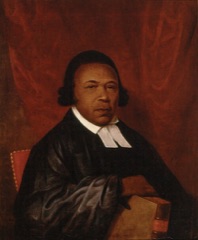
1746–1818 · 18th Century
Philadelphia abolitionist and clergyman, cofounder of the Free African Society and the first African American ordained a priest in the Episcopal Church.
Books for: 9-12
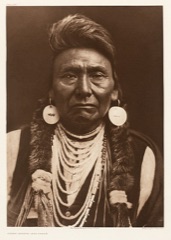
1840–1904 · 19th Century
Leader of the Wallowa band of the Nez Perce who led his people's retreat in 1877 and spoke for their rights for the rest of his life.
Books for: 6-8
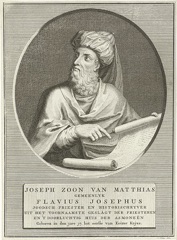
c. 37–c. 100 · Ancient
Jewish priest, general and historian whose Jewish War and Jewish Antiquities are major sources for Judea in the first century.
Books for: 9-12
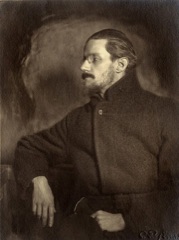
1882–1941 · Early 20th Century
Irish novelist and poet, author of Dubliners, A Portrait of the Artist as a Young Man and Ulysses.
Books for: 9-12
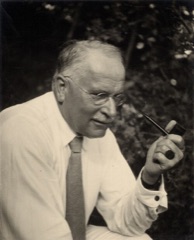
1875–1961 · Early 20th Century
Swiss psychiatrist who founded analytical psychology and introduced ideas such as the collective unconscious, archetypes and introversion.
Books for: 9-12
1929–2021 · Postwar Contemporary
American architect and author of The Phantom Tollbooth.
Books for: 3-5
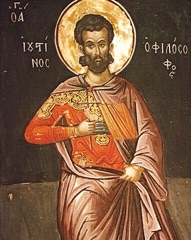
c. 100–c. 165 · Ancient
Second-century philosopher and Christian apologist whose First Apology gives the earliest full description of Christian Sunday worship.
Books for: 9-12
c. 482–565 · Medieval
Byzantine emperor who codified Roman law and built Hagia Sophia.
Books for: 9-12
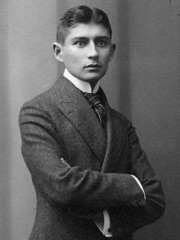
1883–1924 · Early 20th Century
German-language writer from Prague, author of The Metamorphosis and The Trial.
Books for: 9-12
born 1971 · Postwar Contemporary
Greek-American historian of Byzantium, author of The New Roman Empire: A History of Byzantium.
Books for: 9-12
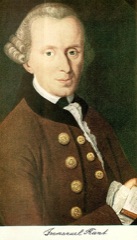
1724–1804 · 18th Century
German philosopher of the Critique of Pure Reason and the categorical imperative.
Books for: 9-12
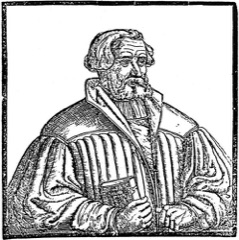
1486–1541 · Renaissance Early Modern
German theologian at Wittenberg, an early colleague and later critic of Martin Luther in the Reformation.
Books for: 9-12
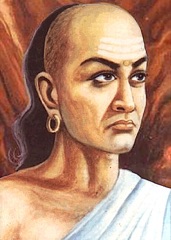
4th century BC (traditional) · Ancient
Ancient Indian adviser traditionally named as the author of the Arthashastra, a treatise on statecraft.
Books for: 9-12
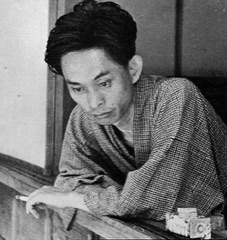
1899–1972 · Early 20th Century
Japanese novelist of Snow Country and Thousand Cranes, the first Japanese author to win the Nobel Prize in Literature.
Books for: 9-12
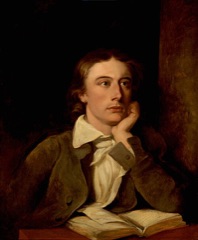
1795–1821 · 19th Century
English Romantic poet, author of the great odes of 1819, who died at 25.
Books for: 9-12
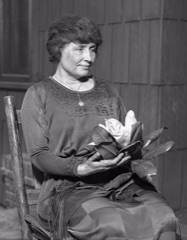
1880–1968 · Early 20th Century
American author and activist who lost her sight and hearing as a baby and, with her teacher Anne Sullivan, learned to read, write and speak.
Books for: 3-5
born 1947 · Postwar Contemporary
British historian of the early Islamic Middle East, author of The Great Arab Conquests and When Baghdad Ruled the Muslim World.
Books for: 9-12
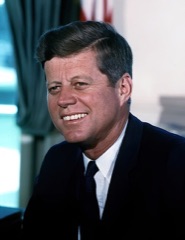
1917–1963 · Postwar Contemporary
Thirty-fifth president of the United States, assassinated in Dallas in 1963.
Books for: 9-12
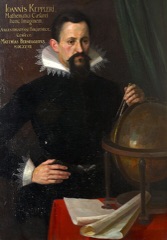
1571–1630 · Renaissance Early Modern
German astronomer who discovered that planets move in ellipses.
Books for: 9-12
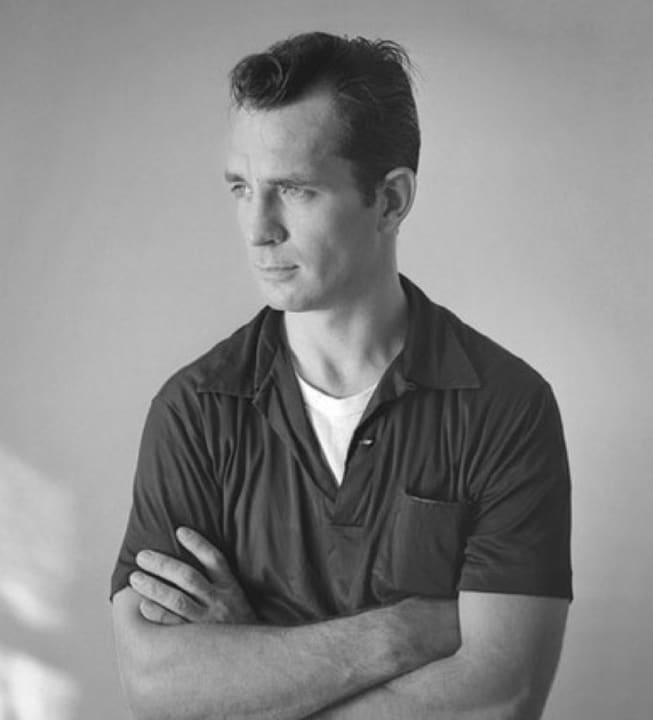
1922–1969 · Postwar Contemporary
American writer of the Beat Generation, author of On the Road.
Books for: 9-12
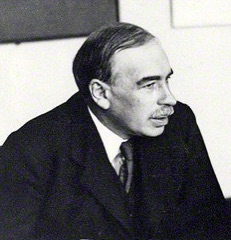
1883–1946 · Early 20th Century
English economist whose General Theory changed how governments respond to recessions.
Books for: 9-12
1332–1406 · Medieval
North African historian and scholar whose Muqaddimah is a pioneering study of history, society and economics.
Books for: 9-12
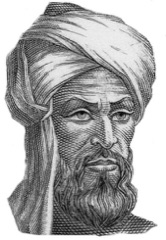
c. 780–850 · Medieval
Persian mathematician in Baghdad whose books gave us the words algebra and algorithm.
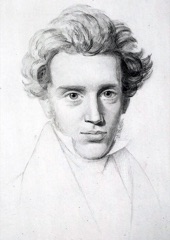
1813–1855 · 19th Century
Danish Christian philosopher who wrote on faith, choice and the individual.
Books for: 9-12
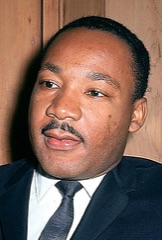
1929–1968 · Postwar Contemporary
Baptist minister and leader of the civil rights movement, who used nonviolent protest.
Books for: K-2, 3-5, 6-8, 9-12
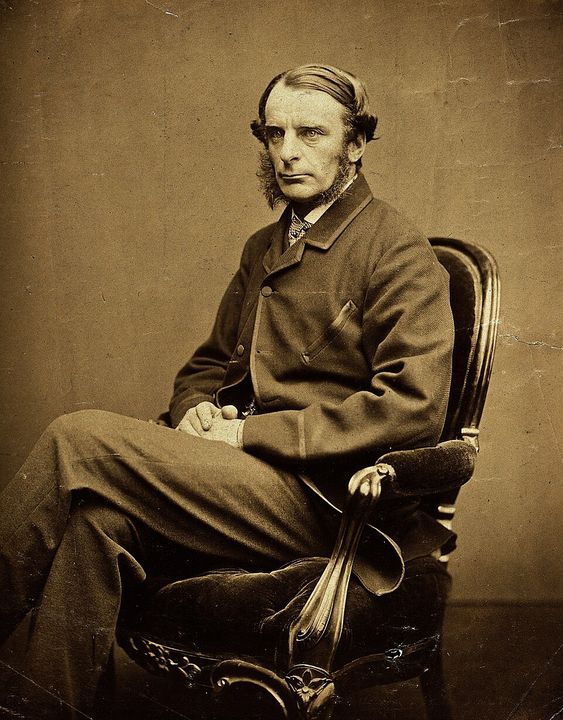
1819–1875 · 19th Century
English clergyman, novelist and historian, author of The Water-Babies and The Heroes.
Books for: 3-5
1865–1936 · Early 20th Century
English writer born in India, author of The Jungle Book, Just So Stories, Kim and the poem If—, and Nobel laureate.
Books for: K-2, 3-5, 6-8, 9-12
1918–1994 · Postwar Contemporary
American political theorist and author of The Conservative Mind (1953).
Books for: 9-12
1897–1943 · Early 20th Century
English-born writer who created the collie Lassie in Lassie Come-Home.
Books for: 3-5
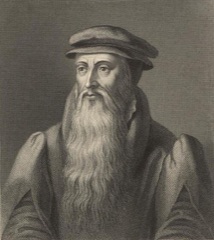
c. 1514–1572 · Renaissance Early Modern
Scottish reformer who founded the Presbyterian Church of Scotland.
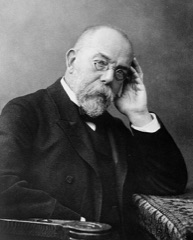
1843–1910 · 19th Century
German doctor who identified the germs that cause anthrax, tuberculosis and cholera.
1905–1983 · Early 20th Century
Hungarian-born British writer and journalist, author of the novel Darkness at Noon.
Books for: 9-12
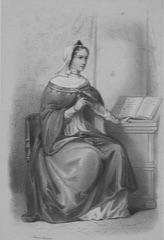
1083–c. 1153 · Medieval
Byzantine princess and historian whose Alexiad records the reign of her father, Emperor Alexios I Komnenos.
Books for: 9-12
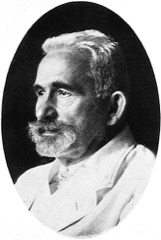
1856–1926 · 19th Century
German psychiatrist who built modern psychiatric classification and separated dementia praecox from manic-depressive illness.
Books for: 9-12
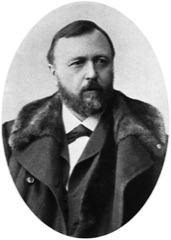
1840–1902 · 19th Century
German-Austrian psychiatrist and author of an influential medical textbook of sexual disorders.
Books for: 9-12
1842–1921 · 19th Century
Russian prince, geographer and leading theorist of anarchist communism; author of Mutual Aid and The Conquest of Bread.
Books for: 9-12
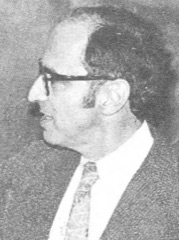
1922–1996 · Postwar Contemporary
American physicist and philosopher of science, author of The Structure of Scientific Revolutions (1962).
Books for: 9-12
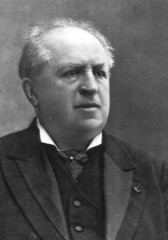
1837–1920 · 19th Century
Dutch Reformed theologian, journalist and founder of the Free University of Amsterdam who served as prime minister of the Netherlands from 1901 to 1905.
Books for: 9-12
1918–2007 · Postwar Contemporary
American author of A Wrinkle in Time and other books for young readers and adults.
Books for: 3-5
1530–1563 · Renaissance Early Modern
French magistrate and writer, author of the Discourse on Voluntary Servitude and close friend of Michel de Montaigne.
Books for: 9-12
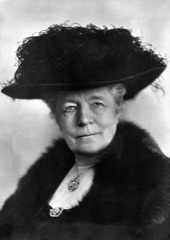
1858–1940 · 19th Century
Swedish author of The Wonderful Adventures of Nils, and the first woman to win the Nobel Prize in Literature.
Books for: 3-5
1922–1974 · Postwar Contemporary
Hungarian-born British philosopher of mathematics and science, author of Proofs and Refutations and the methodology of scientific research programmes.
Books for: 9-12
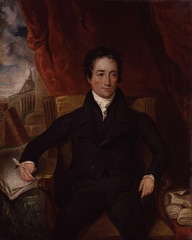
1775–1834 · 19th Century
English essayist and poet, author of the Essays of Elia and, with his sister Mary, Tales from Shakespeare.
Books for: 3-5
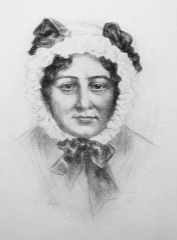
1764–1847 · 19th Century
English writer who, with her brother Charles, wrote Tales from Shakespeare for children.
Books for: 3-5
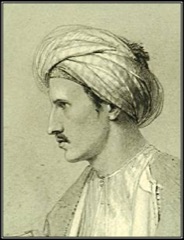
1801–1876 · 19th Century
British scholar of Arabic who described Egyptian life and translated The Thousand and One Nights.
Books for: 9-12
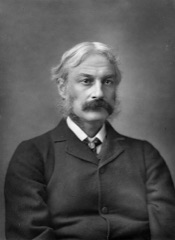
1844–1912 · 19th Century
Scottish writer and scholar who collected fairy tales from around the world in the colored Fairy Books.
Books for: K-2, 3-5
c. 1150–1228 · Medieval
Archbishop of Canterbury who helped shape Magna Carta in 1215 and is credited with dividing the Bible into chapters.
Books for: 9-12
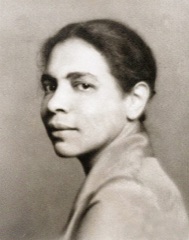
1891–1964 · Early 20th Century
American novelist of the Harlem Renaissance, author of Quicksand and Passing.
Books for: 9-12
1484–1566 · Renaissance Early Modern
Spanish colonist turned Dominican friar and bishop who spent fifty years defending the native peoples of the Americas.
Books for: 9-12
1902–1995 · Early 20th Century
American author of biographies for young readers, including the Newbery-winning Carry On, Mr. Bowditch.
Books for: 6-8
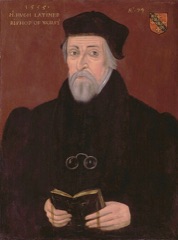
c. 1487–1555 · Renaissance Early Modern
English Protestant reformer and bishop of Worcester, a famous preacher burned at Oxford under Queen Mary I.
Books for: 9-12
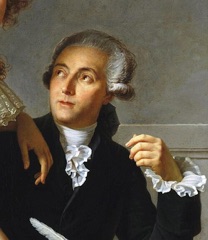
1743–1794 · 18th Century
French chemist who identified oxygen's role in burning and helped found modern chemistry.
Books for: 9-12
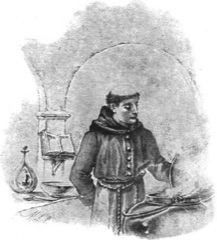
c. 1614–1691 · Renaissance Early Modern
French Carmelite lay brother whose sayings and letters were collected as The Practice of the Presence of God.
Books for: 6-8
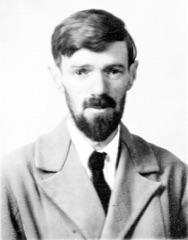
1885–1930 · Early 20th Century
English novelist, short-story writer and poet, author of Sons and Lovers and The Prussian Officer.
Books for: 9-12
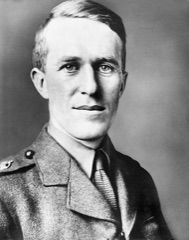
1888–1935 · Early 20th Century
British officer and writer known as Lawrence of Arabia, author of Seven Pillars of Wisdom.
Books for: 9-12
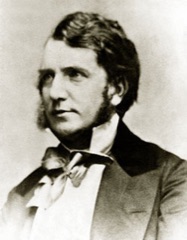
1814–1873 · 19th Century
Irish writer of ghost stories and mystery novels, author of the vampire tale Carmilla and Uncle Silas.
Books for: 9-12
1734–1797 · 18th Century
Quieter of the two Lee brothers in Congress, a Virginia planter who signed the Declaration and the Articles of Confederation.
Books for: 6-8
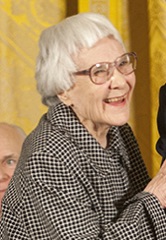
1926–2016 · Postwar Contemporary
American novelist, author of To Kill a Mockingbird, which won the Pulitzer Prize in 1961.
Books for: 9-12
1732–1794 · 18th Century
Virginia statesman who, on 7 June 1776, moved the resolution that the colonies 'are, and of right ought to be, free and independent states.'
Books for: 6-8
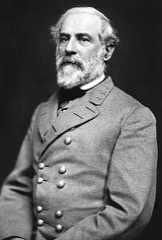
1807–1870 · 19th Century
Commander of the Confederate Army of Northern Virginia in the American Civil War.
1632–1723 · Renaissance Early Modern
Dutch draper and lens-maker who was the first to see and describe bacteria and other single-celled life.
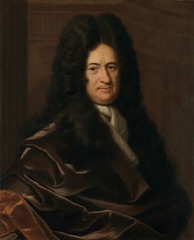
1646–1716 · Renaissance Early Modern
German philosopher and mathematician who invented calculus independently of Newton.
Books for: 9-12
1900–1959 · Early 20th Century
Polish-Jewish lawyer who coined the word "genocide" and campaigned for the UN Genocide Convention of 1948.
Books for: 9-12
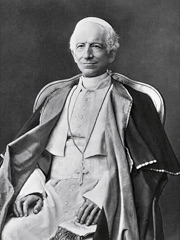
1810–1903 · 19th Century
Pope from 1878 to 1903, author of Rerum Novarum, the founding document of modern Catholic social teaching.
Books for: 9-12
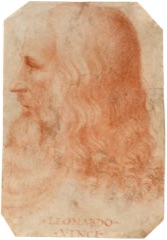
1452–1519 · Renaissance Early Modern
Italian painter of the Mona Lisa and Last Supper, and a tireless inventor and observer of nature.
Books for: 3-5, 9-12
1913–1967 · Postwar Contemporary
Italian legal philosopher and lawyer, author of Freedom and the Law, which compared legislation with judge-made law.
Books for: 9-12
c. 540–480 BC · Ancient
Spartan king who led the stand at Thermopylae against the Persian army.
Books for: 9-12
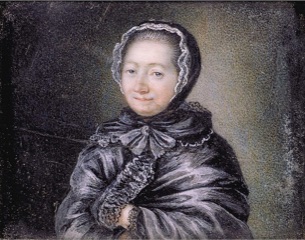
1711–1780 · 18th Century
French writer and governess whose 1756 version of Beauty and the Beast became the best-known form of the tale.
Books for: 3-5
1814–1841 · 19th Century
Russian Romantic poet and novelist, author of A Hero of Our Time, often called the poet of the Caucasus.
Books for: 9-12
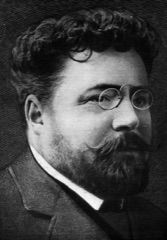
1868–1927 · Early 20th Century
French journalist and novelist, author of The Phantom of the Opera and The Mystery of the Yellow Room.
Books for: 6-8
1908–2009 · Postwar Contemporary
French anthropologist who founded structural anthropology and wrote Tristes Tropiques and Structural Anthropology.
Books for: 9-12
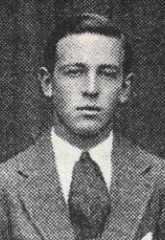
1898–1963 · Postwar Contemporary
Oxford scholar and author of The Chronicles of Narnia and Mere Christianity.
Books for: 3-5, 6-8, 9-12
1713–1802 · 18th Century
Welsh-born New York merchant who signed the Declaration; the British destroyed his home and imprisoned his wife.
Books for: 6-8
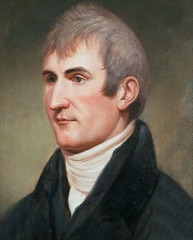
Lewis 1774–1809; Clark 1770–1838 · 19th Century
Leaders of the Corps of Discovery, which crossed the American West to the Pacific and back.
Books for: 9-12
1885–1951 · Early 20th Century
American novelist who satirized small-town and business life in Main Street and Babbitt; first American Nobel laureate in literature (1930).
Books for: 9-12
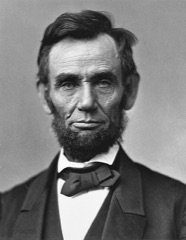
1809–1865 · 19th Century
Sixteenth President, who preserved the Union in the Civil War and ended slavery.
Books for: K-2, 3-5, 6-8, 9-12
1716–1794 · 18th Century
Scottish naval surgeon whose 1747 comparison of treatments showed that citrus fruit cures scurvy.
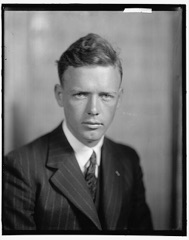
1902–1974 · Early 20th Century
Aviator who made the first solo nonstop flight across the Atlantic in 1927.
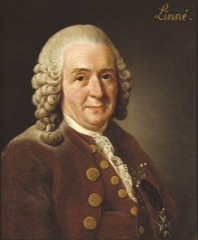
1707–1778 · 18th Century
Swedish botanist who created the modern system of naming living things.
1827–1912 · 19th Century
British surgeon who introduced antiseptic surgery.
Books for: 9-12
1716–1778 · 18th Century
New York merchant and philanthropist who signed the Declaration and died the next year while Congress sat at York, Pennsylvania.
Books for: 6-8
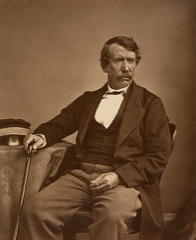
1813–1873 · 19th Century
Scottish missionary doctor who crossed Africa and campaigned against the slave trade.
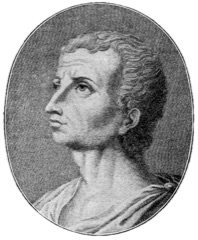
59 BC–AD 17 · Ancient
Roman historian, author of a history of Rome from its founding, Ab Urbe Condita.
Books for: 9-12
1933–1987 · Postwar Contemporary
American author and illustrator of children's books, creator of Frog and Toad.
Books for: K-2
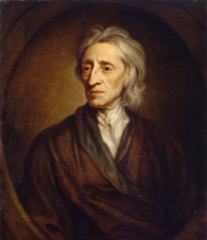
1632–1704 · Renaissance Early Modern
English philosopher of natural rights and government by consent, admired by the American founders.
Books for: 9-12
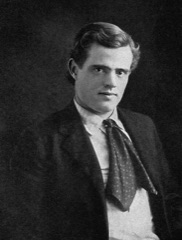
1876–1916 · Early 20th Century
American author of The Call of the Wild and White Fang, drawn from his time in the Klondike Gold Rush.
Books for: 6-8, 9-12
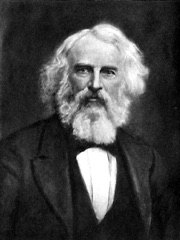
1807–1882 · 19th Century
American poet and Harvard professor, author of Paul Revere's Ride, Evangeline and The Song of Hiawatha.
Books for: 3-5, 6-8
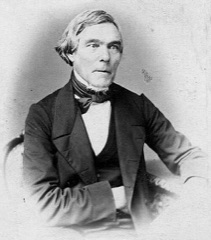
1802–1884 · 19th Century
Finnish physician and folklorist who compiled the Kalevala, the national epic of Finland, from traditional songs.
Books for: 9-12
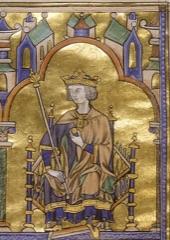
1214–1270 · Medieval
Crusader king of France, known for his justice and piety; Saint Louis.
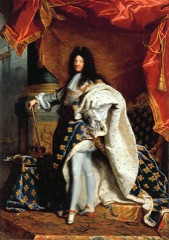
1638–1715 · Renaissance Early Modern
The Sun King, who ruled France for 72 years and built the palace of Versailles.
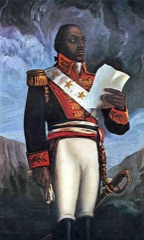
c. 1743–1803 · 18th Century
Leader of the Haitian Revolution, the only successful large-scale revolt of enslaved people.
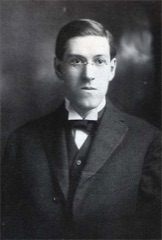
1890–1937 · Early 20th Century
American writer of weird and horror fiction, creator of the Cthulhu stories.
Books for: 9-12
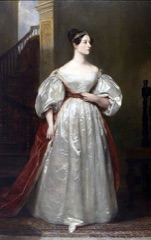
1815–1852 · 19th Century
English mathematician who wrote what is often called the first computer program.
Books for: 9-12
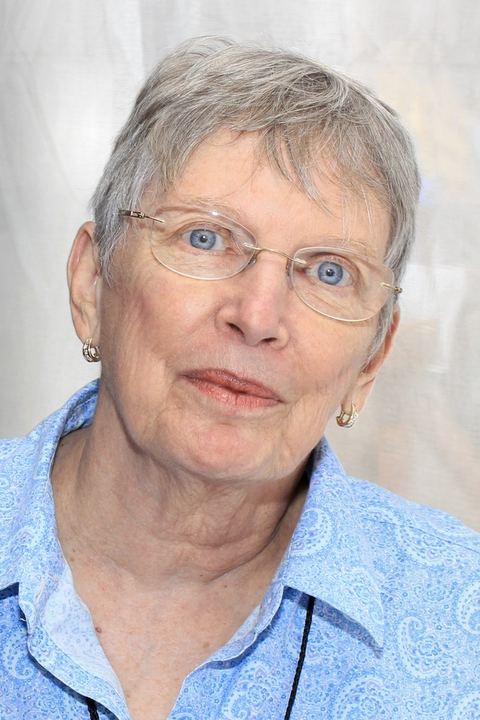
born 1937 · Postwar Contemporary
American author of books for young readers, including The Giver and Number the Stars, both Newbery Medal winners.
Books for: 3-5, 6-8
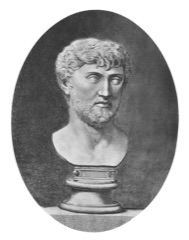
c. 99–55 BC · Ancient
Roman poet and philosopher, author of On the Nature of Things, a poem explaining Epicurean philosophy.
Books for: 9-12
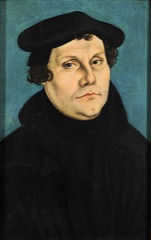
1483–1546 · Renaissance Early Modern
German monk and professor whose challenge to the Church began the Protestant Reformation.
Books for: 9-12
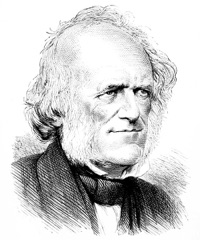
1797–1875 · 19th Century
Scottish geologist whose Principles of Geology argued that the earth was shaped slowly by forces still at work today.
Books for: 9-12
1749–c. 1779 · 18th Century
South Carolina signer, as young as Edward Rutledge, who was lost at sea about 1779 on a voyage to France.
Books for: 6-8
1880–1964 · Postwar Contemporary
American general who commanded in the Pacific in World War II and in Korea.
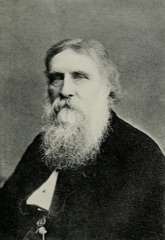
1824–1905 · 19th Century
Scottish novelist, poet and minister whose fantasies The Princess and the Goblin and At the Back of the North Wind influenced C. S. Lewis and J. R. R. Tolkien.
Books for: 3-5
1838–1916 · 19th Century
Austrian physicist and philosopher of science whose name is used for the Mach number, the ratio of a speed to the speed of sound.
Books for: 9-12
1469–1527 · Renaissance Early Modern
Florentine diplomat and political philosopher, author of The Prince and the Discourses on Livy.
Books for: 9-12
1929–2025 · Postwar Contemporary
Philosopher who revived the ethics of the virtues in After Virtue.
Books for: 9-12
1938–2022 · Postwar Contemporary
American children's author of Sarah, Plain and Tall, winner of the Newbery Medal.
Books for: K-2
1751–1836 · 18th Century
Chief architect of the U.S. Constitution and Bill of Rights; fourth President.
Books for: 3-5, 9-12
c. 1480–1521 · Renaissance Early Modern
Portuguese navigator whose Spanish expedition made the first voyage around the world.
Books for: 3-5
1138–1204 · Medieval
Jewish philosopher, legal scholar and court physician in Egypt, author of the Mishneh Torah, the Guide for the Perplexed and medical treatises.
d. 1471 · Medieval
English knight and author of Le Morte d'Arthur, the classic English telling of the legend of King Arthur.
Books for: 9-12
1918–2013 · Postwar Contemporary
South African anti-apartheid leader, imprisoned for 27 years, who became the country's first Black president.
Books for: 9-12
1875–1955 · Early 20th Century
German novelist, author of Buddenbrooks and The Magic Mountain, and winner of the Nobel Prize in Literature.
Books for: 9-12
1888–1923 · Early 20th Century
New Zealand-born modernist writer of short stories, author of Bliss and The Garden Party.
Books for: 9-12
1705–1793 · 18th Century
Lord Chief Justice of England who ruled in Somerset's case (1772) that a slave could not be forced out of England.
Books for: 9-12
c. 330–c. 395 · Ancient
Roman soldier and historian whose Res Gestae is a chief source for the Roman Empire in the fourth century.
Books for: 9-12
1874–1937 · Early 20th Century
Italian inventor who developed long-distance radio communication.
121–180 · Ancient
Roman emperor and Stoic philosopher, author of the Meditations.
Books for: 9-12
1717–1780 · 18th Century
Habsburg ruler of Austria, Hungary and Bohemia who reformed her lands and defended her inheritance.
fl. c. 1160–1215 · Medieval
Medieval poet who wrote in French in England, author of the Lais, short verse romances.
Books for: 9-12
1564–1593 · Renaissance Early Modern
Elizabethan playwright and poet whose Tamburlaine and Doctor Faustus made blank verse the voice of English tragedy.
Books for: 9-12
1755–1835 · 19th Century
Fourth Chief Justice of the United States, who established judicial review.
Books for: 9-12
1908–1993 · Postwar Contemporary
Civil rights lawyer who won Brown v. Board of Education and became the first African American justice of the Supreme Court.
Books for: 9-12
c. 316–397 · Ancient
Roman soldier turned monk and bishop, remembered for sharing his cloak with a beggar.
Books for: 9-12
1818–1883 · 19th Century
German philosopher, economist and revolutionary, co-author of The Communist Manifesto and author of Capital.
Books for: 9-12
1725–1792 · 18th Century
Virginia planter and Founding Father who wrote the Virginia Declaration of Rights and refused to sign the Constitution without a bill of rights.
Books for: 6-8
c. 1581–1661 · Renaissance Early Modern
Wampanoag sachem who made the 1621 peace with Plymouth and kept it through the rest of his life.
Books for: 9-12
1835–1918 · 19th Century
English psychiatrist after whom the Maudsley Hospital in London is named.
Books for: 9-12
1874–1965 · Early 20th Century
British playwright, novelist and short-story writer, author of Of Human Bondage.
Books for: 9-12
1850–1893 · 19th Century
French writer of the nineteenth century and a master of the short story, author of Boule de Suif and The Necklace.
Books for: 9-12
1831–1879 · 19th Century
Scottish physicist who showed that light is an electromagnetic wave.
1914–2003 · Postwar Contemporary
American author and illustrator of Make Way for Ducklings and Blueberries for Sal, winner of two Caldecott Medals.
Books for: K-2, 3-5
1809–1884 · 19th Century
American inventor and manufacturer of the mechanical reaper.
1872–1918 · Early 20th Century
Canadian poet, physician and soldier, author of In Flanders Fields.
Books for: 6-8
1898–1969 · Early 20th Century
American neurophysiologist and pioneer of cybernetics who, with Walter Pitts, created the first mathematical model of a neural network.
Books for: 9-12
1933–2022 · Postwar Contemporary
American historian and biographer, twice winner of the Pulitzer Prize, for Truman and John Adams.
Books for: 9-12
1734–1817 · 18th Century
Delaware delegate who voted for independence, signed later than most, and went on to be chief justice and governor of Pennsylvania.
Books for: 6-8
1852–1912 · 19th Century
Emperor of Japan during its rapid transformation into a modern industrial state.
1497–1560 · Renaissance Early Modern
German humanist scholar, Martin Luther's chief colleague at Wittenberg and author of the Augsburg Confession.
Books for: 9-12
1819–1891 · 19th Century
American novelist and poet, author of Moby-Dick and Billy Budd.
Books for: 9-12
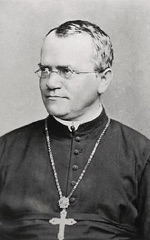
1822–1884 · 19th Century
Augustinian friar whose pea-plant experiments founded genetics.
Books for: 9-12
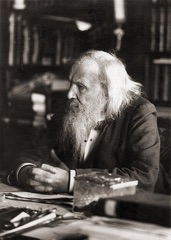
1834–1907 · 19th Century
Russian chemist who created the periodic table and predicted undiscovered elements.
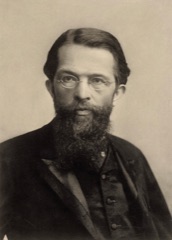
1840–1921 · 19th Century
Austrian economist who founded the Austrian School and helped launch the marginal revolution with his subjective theory of value.
Books for: 9-12
born 1963 · Postwar Contemporary
American author and radio host, writer of biographies of William Wilberforce, Dietrich Bonhoeffer and Martin Luther.
Books for: 9-12
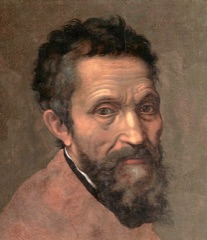
1475–1564 · Renaissance Early Modern
Italian sculptor, painter and architect of the David, the Sistine Chapel ceiling and St. Peter's dome.
Books for: 3-5, 9-12
1742–1787 · 18th Century
South Carolina planter who signed the Declaration, was imprisoned at St. Augustine after the fall of Charleston, and died in 1787.
Books for: 6-8
1806–1873 · 19th Century
English philosopher and economist, author of On Liberty and Utilitarianism.
Books for: 9-12
1915–2005 · Postwar Contemporary
American playwright, author of Death of a Salesman and The Crucible.
Books for: 9-12
1882–1956 · Early 20th Century
English writer best known for the Winnie-the-Pooh stories about his son Christopher Robin and his toys.
Books for: K-2
1608–1674 · Renaissance Early Modern
English poet and pamphleteer, author of Paradise Lost.
Books for: 9-12
1920–2012 · Postwar Contemporary
Danish-born American children's author, creator of the Little Bear easy-reader books.
Books for: K-2
1881–1973 · Early 20th Century
Austrian-American economist of the Austrian School, a defender of free markets and critic of socialism.
Books for: 9-12
1622–1673 · Renaissance Early Modern
French playwright and actor, author of comedies such as The Misanthrope and Tartuffe.
Books for: 9-12
1840–1926 · Early 20th Century
French painter whose Impression, Sunrise gave Impressionism its name.
Books for: 3-5
1758–1831 · 18th Century
Fifth president of the United States, who announced the Monroe Doctrine in 1823.
Books for: 6-8
1533–1592 · Renaissance Early Modern
French writer who invented the essay as a literary form.
Books for: 9-12
1689–1755 · 18th Century
French political philosopher who described the separation of powers.
Books for: 9-12
1874–1942 · Early 20th Century
Canadian author of Anne of Green Gables and its sequels.
Books for: 3-5
1837–1899 · 19th Century
American evangelist who led large revival meetings in Britain and the United States and founded schools and the Moody Bible Institute.
Books for: 9-12
1898–1982 · Early 20th Century
American author of Little Britches and other memoirs of growing up on a Colorado ranch and in the West.
Books for: 6-8
1478–1535 · Renaissance Early Modern
English lawyer, author of Utopia and Lord Chancellor, executed for refusing to accept Henry VIII as head of the Church.
Books for: 9-12
1837–1913 · 19th Century
American banker who financed railroads and steel and twice helped steady the U.S. economy.
1726–1798 · 18th Century
Lord of the manor of Morrisania who signed the Declaration; his Westchester estate was badly damaged in the war.
Books for: 6-8
1734–1806 · 18th Century
English-born Philadelphia merchant who signed the Declaration and the Constitution and later went to debtors' prison after failed land speculation.
Books for: 6-8
1791–1872 · 19th Century
Painter and inventor who helped develop the electric telegraph and Morse code.
c. 1724–1777 · 18th Century
Pennsylvania farmer whose vote helped carry his divided delegation for independence; he died the next year.
Books for: 6-8
traditional dates c. 1526–1406 BC · Ancient
Hebrew prophet and lawgiver who, according to the Bible, led Israel out of Egypt and received the Ten Commandments at Mount Sinai.
Books for: 3-5, 9-12
1756–1791 · 18th Century
Austrian child prodigy and composer of operas, symphonies and concertos.
Books for: 3-5, 9-12
1838–1914 · 19th Century
Scottish-American naturalist and writer who campaigned for national parks and co-founded the Sierra Club.
Books for: 3-5, 6-8, 9-12
1904–1967 · Early 20th Century
American Jesuit theologian who helped shape the Second Vatican Council's Declaration on Religious Liberty, author of We Hold These Truths.
Books for: 9-12
c. 1280–1337 · Medieval
Ruler of the Mali Empire, famous for his gold-laden pilgrimage to Mecca.
Books for: 9-12
1769–1821 · 19th Century
French general and emperor who conquered much of Europe and gave France its civil code.
Books for: 3-5, 9-12
1867–1916 · Early 20th Century
Japanese novelist, author of Kokoro and Botchan, regarded as one of the greatest modern Japanese writers.
Books for: 6-8, 9-12
1758–1805 · 18th Century
British admiral who destroyed the French and Spanish fleets at Trafalgar.
1738–1789 · 18th Century
Virginia signer who, as governor and militia commander, led troops at the siege of Yorktown and risked his own property there.
Books for: 6-8
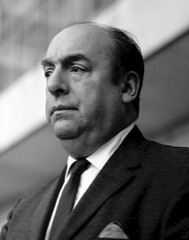
1904–1973 · Early 20th Century
Chilean poet and diplomat, author of Twenty Love Poems and a Song of Despair, and Nobel laureate.
Books for: 9-12
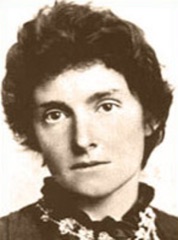
1858–1924 · 19th Century
English author of children's books, including The Railway Children and Five Children and It.
Books for: 3-5
1903–1957 · Early 20th Century
Hungarian-American mathematician whose work shaped computer design, game theory and quantum mechanics.
Books for: 9-12
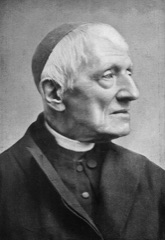
1801–1890 · 19th Century
English theologian and cardinal, leader of the Oxford Movement and a Catholic saint.
Books for: 9-12
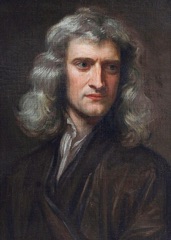
1643–1727 · Renaissance Early Modern
English mathematician and physicist who described gravity and the laws of motion.
Books for: 3-5, 9-12
1725–1807 · 18th Century
Former slave-ship captain who became an Anglican clergyman, wrote Amazing Grace and later supported the abolition of the slave trade.
Books for: 9-12
c. 60–c. 120 · Ancient
Greek mathematician and Neopythagorean philosopher, author of the Introduction to Arithmetic.
Books for: 9-12
1844–1900 · 19th Century
German philosopher, author of Thus Spoke Zarathustra and Beyond Good and Evil, who challenged traditional morality and religion.
Books for: 9-12
1820–1910 · 19th Century
English nurse in the Crimean War who founded modern nursing.
1833–1896 · 19th Century
Swedish chemist who invented dynamite and founded the Nobel Prizes.
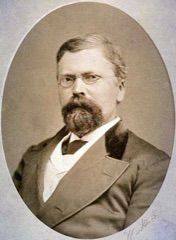
1887–1947 · Early 20th Century
American novelist who, with James Norman Hall, wrote Mutiny on the Bounty.
Books for: 6-8
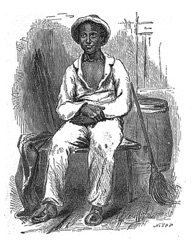
1807 or 1808–after 1857 · 19th Century
Free-born African American who was kidnapped and enslaved for twelve years, author of Twelve Years a Slave.
Books for: 9-12
1903–1992 · Early 20th Century
English author of The Borrowers, about tiny people who live secretly in a family's house.
Books for: 3-5
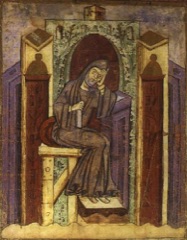
c. 840–912 · Medieval
Monk of St Gall, poet, composer and author of an early life of Charlemagne.
Books for: 9-12
1925–1964 · Postwar Contemporary
American writer of the South, author of A Good Man Is Hard to Find and other short stories marked by dark humor and Catholic faith.
Books for: 9-12
1898–1989 · Early 20th Century
American author of Island of the Blue Dolphins and other historical novels for young readers.
Books for: 3-5
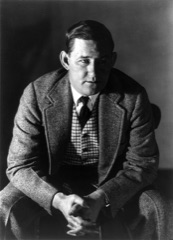
1905–1970 · Early 20th Century
American novelist and short-story writer, author of Appointment in Samarra and Butterfield 8.
Books for: 9-12
1888–1953 · Early 20th Century
American playwright, winner of four Pulitzer Prizes and the 1936 Nobel Prize in Literature, author of Long Day's Journey into Night.
Books for: 9-12
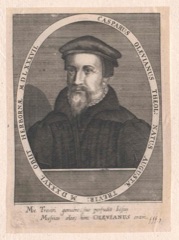
1536–1587 · Renaissance Early Modern
German Reformed theologian and preacher at Heidelberg, long honored as co-author of the Heidelberg Catechism, who wrote on the covenant of grace.
Books for: 9-12
1865–1947 · Early 20th Century
Hungarian-born British novelist and playwright, creator of the Scarlet Pimpernel.
Books for: 6-8
c. 185–c. 253 · Ancient
Alexandrian scholar, teacher and the most learned Christian writer of the third century.
Books for: 9-12
1903–1950 · Early 20th Century
English novelist and essayist Eric Blair, author of Animal Farm and Nineteen Eighty-Four.
Books for: 9-12
1849–1919 · 19th Century
Canadian physician who reshaped medical education at Johns Hopkins by bringing students to the bedside and creating the residency system.
Books for: 9-12
43 BC–AD 17 or 18 · Ancient
Roman poet, author of the Metamorphoses, a great collection of myths of transformation.
Books for: 9-12
1740–1799 · 18th Century
Maryland lawyer and planter who signed the Declaration and later served as governor and as a federal judge.
Books for: 6-8
1731–1814 · 18th Century
Massachusetts lawyer who signed the Declaration and later served as the state's attorney general and a justice of its supreme court.
Books for: 6-8
1737–1809 · 18th Century
English-born American writer whose pamphlet Common Sense (1776) made the case for American independence.
Books for: 9-12
c. 1525–1594 · Renaissance Early Modern
Italian composer whose smooth, clear church polyphony became a model for centuries.
1493–1541 · Renaissance Early Modern
Swiss physician and alchemist who attacked ancient authorities, championed chemical medicines and studied miners' diseases.
Books for: 9-12
c. 1510–1590 · Renaissance Early Modern
French barber-surgeon who reformed the treatment of wounds.
1893–1967 · Early 20th Century
American poet, critic and short-story writer known for her sharp wit and a member of the Algonquin Round Table.
Books for: 9-12
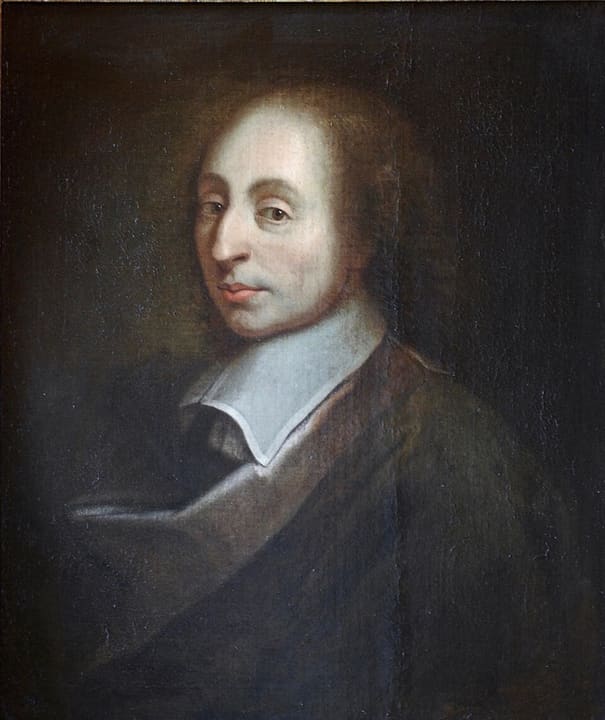
1623–1662 · Renaissance Early Modern
French mathematician, inventor and Christian thinker, author of the Pensées.
Books for: 9-12
1890–1960 · Early 20th Century
Russian poet and novelist, author of Doctor Zhivago, who was awarded the Nobel Prize in Literature in 1958.
Books for: 9-12
1822–1895 · 19th Century
French scientist of germ theory, pasteurization and the rabies vaccine.
Books for: 9-12
5th century · Ancient
British-born missionary bishop to Ireland, who wrote the Confession.
Books for: 9-12
1885–1945 · Early 20th Century
Hard-driving American tank general of World War II.
c. 5–c. 64/67 · Ancient
Jewish Pharisee who became the leading missionary of early Christianity; his letters are the oldest writings in the New Testament.
Books for: 9-12
1839–1914 · 19th Century
American philosopher, logician and scientist, founder of pragmatism and of the modern study of signs.
Books for: 9-12
1740–1788 · 18th Century
Virginia-born North Carolina lawyer who signed the Declaration and the Articles of Confederation.
Books for: 6-8
1644–1718 · Renaissance Early Modern
English Quaker leader and writer who founded Pennsylvania as a colony with religious freedom.
Books for: 9-12
c. 495–429 BC · Ancient
Leading statesman of Athens in its golden age, who built the Parthenon.
Books for: 9-12
died 203 · Ancient
Young mother and her pregnant slave who were martyred together at Carthage in 203; Perpetua's prison diary is among the earliest writings by a Christian woman.
Books for: 9-12
1628–1703 · Renaissance Early Modern
French writer whose Stories or Tales from Times Past introduced Cinderella, Sleeping Beauty and Puss in Boots to print.
Books for: 3-5
AD 34–62 · Ancient
Roman poet whose six satires express Stoic philosophy.
Books for: 9-12
1672–1725 · 18th Century
Tsar who forced Russia to modernize and built St. Petersburg.
Books for: 3-5, 9-12
died c. 64–68 · Ancient
Galilean fisherman who became the leading apostle of Jesus; Catholic tradition counts him the first bishop of Rome.
Books for: 9-12
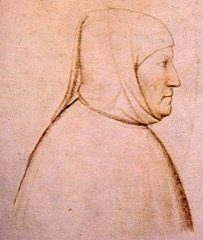
1304–1374 · Medieval
Italian poet and scholar, father of humanism, whose sonnets to Laura made the sonnet the great love form of Europe.
Books for: 9-12
fl. 1238–1248 · Medieval
Thirteenth-century canon of Saint-Aubert at Cambrai who wrote the earliest known Life of Saint Dymphna, patron of the mentally ill.
Books for: 9-12
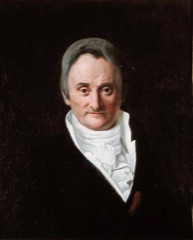
1745–1826 · 18th Century
French physician who pioneered humane treatment of the mentally ill, author of A Treatise on Insanity.
Books for: 9-12
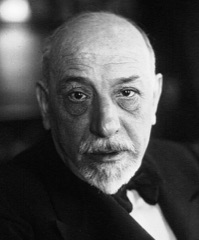
1867–1936 · Early 20th Century
Italian playwright and novelist, author of Six Characters in Search of an Author, and Nobel laureate.
Books for: 9-12
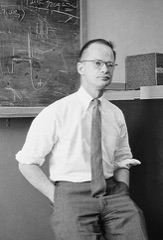
1923–1969 · Postwar Contemporary
American logician who, with Warren McCulloch, created the first mathematical model of a neural network in 1943.
Books for: 9-12
1858–1947 · Early 20th Century
German physicist who founded quantum theory.
c. 428–348 BC · Ancient
Student of Socrates and founder of the Academy, whose dialogues shaped Western philosophy.
Books for: 9-12
AD 23/24–79 · Ancient
Roman naturalist, commander and author of the Natural History, who died during the eruption of Vesuvius.
Books for: 9-12
c. 204–270 · Ancient
Greek philosopher of late antiquity, founder of Neoplatonism, whose teachings were collected in the Enneads.
Books for: 9-12
c. AD 46–after 119 · Ancient
Greek biographer and essayist, author of the Parallel Lives of famous Greeks and Romans.
Books for: 9-12
1809–1849 · 19th Century
American poet, short-story writer and critic, author of The Raven and tales of mystery and horror.
Books for: 6-8, 9-12
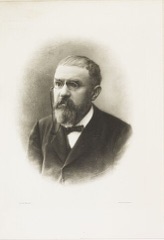
1854–1912 · 19th Century
French mathematician and physicist, a founder of topology and chaos theory and author of Science and Hypothesis.
Books for: 9-12
1891–1976 · Early 20th Century
Hungarian-British chemist and philosopher, author of Personal Knowledge.
Books for: 9-12
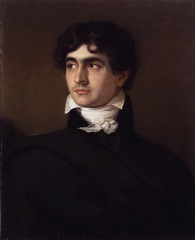
1795–1821 · 19th Century
English physician and writer, author of The Vampyre, the first modern vampire story in English prose.
Books for: 9-12
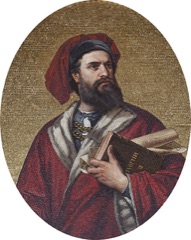
1254–1324 · Medieval
Venetian merchant whose account of China and the court of Kublai Khan amazed Europe.
Books for: 3-5, 6-8
c. 200–c. 118 BC · Ancient
Greek historian of the rise of Rome, whose Histories describe the Roman constitution.
Books for: 9-12
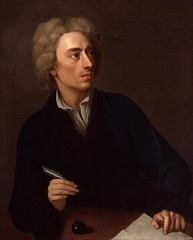
1688–1744 · 18th Century
Leading English poet of the early eighteenth century: An Essay on Criticism, The Rape of the Lock, An Essay on Man and his translation of Homer.
Books for: 9-12
1902–1994 · Early 20th Century
Austrian-British philosopher of science, who argued that scientific theories must be falsifiable, and author of The Open Society and Its Enemies.
Books for: 9-12
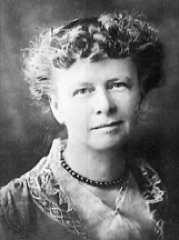
1868–1920 · Early 20th Century
American novelist, author of Pollyanna, the story of a girl who plays the 'glad game'.
Books for: 3-5
1866–1943 · Early 20th Century
English author and illustrator of The Tale of Peter Rabbit and other small animal books, and a naturalist and farmer in the Lake District.
Books for: K-2
c. 500–c. 565 · Medieval
Byzantine historian of the wars of the emperor Justinian, author of the History of the Wars and the Secret History.
Books for: 9-12
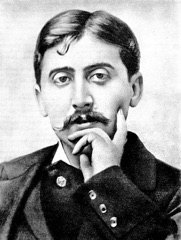
1871–1922 · Early 20th Century
French novelist, author of In Search of Lost Time.
Books for: 9-12
c. 1018–c. 1078 · Medieval
Byzantine scholar, courtier and historian, author of the Chronographia.
Books for: 9-12
c. 100–170 · Ancient
Alexandrian astronomer and geographer whose Earth-centered system was standard for 1,400 years.
Books for: 9-12
1799–1837 · 19th Century
Russia's national poet, author of Eugene Onegin, Boris Godunov and The Bronze Horseman.
Books for: 9-12
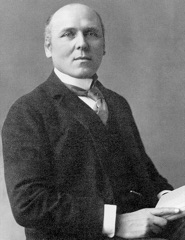
1853–1911 · 19th Century
American illustrator and author of The Merry Adventures of Robin Hood and books of King Arthur, and a teacher of illustrators.
Books for: 3-5, 6-8
1913–1980 · Postwar Contemporary
English novelist of quiet comedies about church life and single women in mid-century England, including Excellent Women.
Books for: 9-12
c. 570–495 BC · Ancient
Greek thinker who founded a brotherhood devoted to number, music and the soul.
Books for: 6-8
259–210 BC · Ancient
First emperor of a unified China, who standardized writing and began the Great Wall.
c. 1494–1553 · Renaissance Early Modern
French Renaissance writer, physician and former monk, author of the comic giants Gargantua and Pantagruel.
Books for: 9-12
1639–1699 · Renaissance Early Modern
French tragic dramatist, author of Andromache, Berenice and Phaedra.
Books for: 9-12
c. 1303–1213 BC · Ancient
Long-reigning pharaoh of Egypt who built Abu Simbel and made one of the first known peace treaties.
1905–1982 · Early 20th Century
Russian-born American novelist and philosopher, author of The Fountainhead and Atlas Shrugged and founder of Objectivism.
Books for: 6-8, 9-12
1483–1520 · Renaissance Early Modern
Painter of the School of Athens and of serene Madonnas, a master of the High Renaissance.
Books for: 9-12
1921–2002 · Postwar Contemporary
American political philosopher, author of A Theory of Justice.
Books for: 9-12
1913–1984 · Postwar Contemporary
American author of the beloved dog story Where the Red Fern Grows and of Summer of the Monkeys.
Books for: 6-8
c. 865–925 or 935 · Medieval
Persian physician and philosopher of the Islamic Golden Age, known in Europe as Rhazes, author of a classic treatise on smallpox and measles.
Books for: 9-12
1733–1798 · 18th Century
Delaware lawyer who voted against independence on 2 July, then signed the Declaration and later the Constitution.
Books for: 6-8
1911–2004 · Postwar Contemporary
Fortieth president of the United States, from 1981 to 1989, and earlier a film actor and governor of California.
Books for: 6-8
1851–1902 · 19th Century
U.S. Army doctor whose team proved that mosquitoes spread yellow fever.
1898–1970 · Early 20th Century
German novelist, author of All Quiet on the Western Front, based on his experiences as a soldier in the First World War.
Books for: 9-12
1606–1669 · Renaissance Early Modern
Dutch painter of The Night Watch, famous for his use of light and shadow and his self-portraits.
1772–1823 · 19th Century
English economist of the classical school, known for comparative advantage, the theory of rent and the labour theory of value.
Books for: 9-12
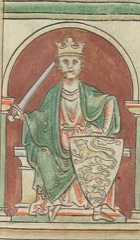
1157–1199 · Medieval
English king called the Lionheart, a leader of the Third Crusade.
1893–1979 · Early 20th Century
English critic and teacher whose Principles of Literary Criticism and Practical Criticism helped found the New Criticism.
Books for: 9-12
1861–1896 · 19th Century
Filipino physician, novelist and reformer, author of Noli Me Tangere, executed by Spain; national hero of the Philippines.
Books for: 9-12
1839–1937 · 19th Century
Founder of Standard Oil, the richest American of his time, and a major philanthropist.
Books for: 9-12
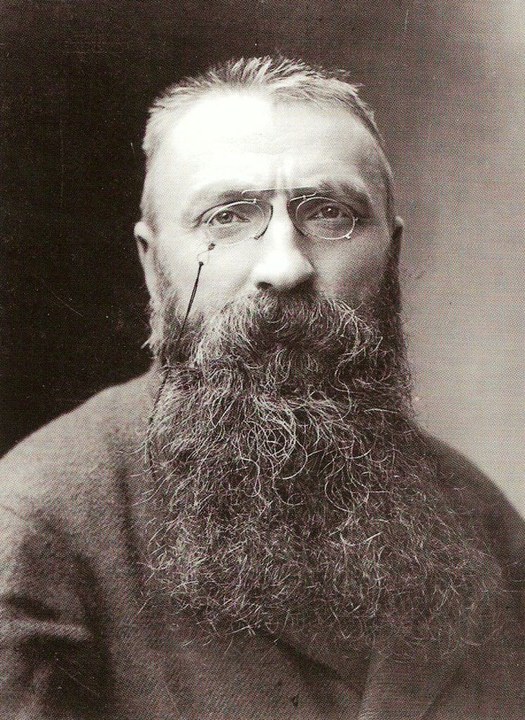
1840–1917 · 19th Century
French sculptor of The Thinker, The Kiss, and the Monument to the Burghers of Calais.
1728–1784 · 18th Century
Delaware planter and militia leader who rode overnight to Philadelphia so that his state's delegation could vote for independence.
Books for: 6-8
1845–1923 · 19th Century
German physicist who discovered X-rays in 1895 and received the first Nobel Prize in Physics.
both born 1951 · Postwar Contemporary
Husband-and-wife teachers from Wisconsin who have written more than one hundred children's books, many of them true stories from American history.
Books for: K-2
1884–1962 · Early 20th Century
First Lady of the United States who chaired the United Nations commission that drafted the Universal Declaration of Human Rights.
Books for: 9-12
1882–1945 · Early 20th Century
Thirty-second President, who led the U.S. through the Great Depression and most of World War II.
Books for: 3-5, 6-8, 9-12
1858–1919 · Early 20th Century
Twenty-sixth President, conservationist, soldier and writer.
Books for: 3-5, 9-12
1899–1966 · Early 20th Century
German economist, one of the intellectual founders of the social market economy behind West Germany's postwar recovery.
Books for: 9-12
1920–2002 · Postwar Contemporary
American playwright and screenwriter, author of Twelve Angry Men.
Books for: 9-12
1730–1779 · 18th Century
Pennsylvania lawyer appointed to Congress in 1776 who signed the Declaration and died three years later.
Books for: 6-8
1868–1918 · Early 20th Century
French poet and playwright, author of Cyrano de Bergerac.
Books for: 9-12
1926–1995 · Postwar Contemporary
American economist of the Austrian School, student of Ludwig von Mises, and leading theorist of anarcho-capitalism.
Books for: 9-12
1712–1778 · 18th Century
Geneva-born writer of The Social Contract and Emile, whose ideas influenced the French Revolution.
Books for: 9-12
c. 1637–1711 · Renaissance Early Modern
Colonial American author of one of the first captivity narratives, written after she was held captive during King Philip's War.
Books for: 9-12
1903–2000 · Early 20th Century
British historian of the Byzantine Empire and the Crusades, author of A History of the Crusades.
Books for: 9-12
1746–1813 · 18th Century
Philadelphia physician and signer of the Declaration of Independence who wrote on medicine, mental illness and education.
Books for: 6-8, 9-12
1872–1970 · Early 20th Century
British philosopher, logician and campaigner, coauthor of Principia Mathematica and winner of the 1950 Nobel Prize in Literature.
Books for: 9-12
1600–1661 · Renaissance Early Modern
Scottish Presbyterian minister and theologian, author of Lex, Rex and of much-reprinted Letters.
Books for: 9-12
1749–1800 · 18th Century
Youngest signer of the Declaration, later a prisoner of war at St. Augustine and governor of South Carolina.
Books for: 6-8
c. 1788–1812 · 19th Century
Shoshone woman who traveled with the Lewis and Clark expedition to the Pacific.
1900–1944 · Early 20th Century
French aviator and writer, author of The Little Prince and memoirs of early flying.
Books for: 3-5
1848–1907 · 19th Century
Irish-born American sculptor of the Shaw Memorial in Boston and of standing and seated portraits of Abraham Lincoln.
Books for: 9-12
1137–1193 · Medieval
Sultan of Egypt and Syria who recaptured Jerusalem from the crusaders in 1187.
1919–2010 · Postwar Contemporary
American writer, author of The Catcher in the Rye.
Books for: 9-12
1914–1995 · Postwar Contemporary
American physician who developed the first safe and effective polio vaccine, tested on 1.8 million children in 1954.
Books for: 9-12
c. 86–35 BC · Ancient
Roman historian and politician, author of The Conspiracy of Catiline and The Jugurthine War.
Books for: 9-12
1905–1980 · Early 20th Century
French philosopher, novelist and playwright, a leading figure of existentialism and author of No Exit.
Books for: 9-12
1918–2005 · Postwar Contemporary
English nurse, social worker and physician who founded the modern hospice movement at St Christopher's Hospice, London.
1767–1832 · 19th Century
French economist who popularized Adam Smith's ideas in France and gave his name to Say's law of markets.
Books for: 9-12
1907–1991 · Postwar Contemporary
American writer of Westerns, author of Shane.
Books for: 6-8
1788–1860 · 19th Century
German philosopher, author of The World as Will and Representation, known for his pessimism and his influence on artists and later thinkers.
Books for: 9-12
1887–1961 · Early 20th Century
Austrian physicist, a founder of quantum mechanics, whose wave equation won him a Nobel Prize and whose book What Is Life? influenced biology.
Books for: 9-12
236–183 BC · Ancient
Roman general who defeated Hannibal at Zama and ended the Second Punic War.
Books for: 9-12
1771–1832 · 19th Century
Scottish novelist and poet, author of Waverley, Rob Roy and Ivanhoe, and creator of the historical novel.
Books for: 9-12
1805–1881 · 19th Century
Jamaican nurse and businesswoman who cared for soldiers in the Crimean War and wrote of her travels.
Books for: 6-8
c. 966–after 1017 · Medieval
Japanese court lady and author of The Pillow Book, a witty miscellany of Heian court life.
Books for: 9-12
1929–1989 · Postwar Contemporary
American author of The Cricket in Times Square, about a cricket from Connecticut who becomes a musical star in a New York subway station.
Books for: 3-5
1818–1865 · 19th Century
Hungarian doctor who showed that handwashing prevents deaths from childbed fever.
c. 4 BC–AD 65 · Ancient
Roman Stoic philosopher, playwright and adviser to Nero.
Books for: 9-12
1774–1821 · 19th Century
First person born in the United States to be canonized a saint; founder of Catholic schools.
c. 363–c. 425 · Ancient
Christian writer of Roman Gaul and friend of Saint Martin of Tours, whose Life of Saint Martin became a model for saints' lives.
Books for: 9-12
1820–1878 · 19th Century
English author of Black Beauty, the novel told by a horse that drew attention to the treatment of working animals.
Books for: 3-5
1870–1922 · Early 20th Century
African American preacher who led the Azusa Street revival in Los Angeles (1906-1909), a starting point of the worldwide Pentecostal movement.
1874–1922 · Early 20th Century
Antarctic explorer who brought his whole crew home after the Endurance was crushed by ice.
Books for: 6-8, 9-12
1564–1616 · Renaissance Early Modern
English playwright, poet and actor, author of Hamlet, Macbeth and Romeo and Juliet, widely regarded as the greatest writer in the English language.
Books for: 6-8, 9-12
1916–2001 · Postwar Contemporary
American mathematician and engineer who founded information theory.
Books for: 9-12
1735–1813 · 18th Century
English clerk and self-taught scholar who used the courts to fight slavery and helped found the abolition movement.
Books for: 9-12
1856–1950 · 19th Century
Irish playwright and critic, author of Pygmalion and Saint Joan, who won the Nobel Prize in Literature in 1925.
Books for: 9-12
1837–1863 · 19th Century
Colonel of the 54th Massachusetts Infantry, one of the first official Black regiments in the Union Army, killed leading the assault on Fort Wagner.
Books for: 6-8, 9-12
1927–2010 · Postwar Contemporary
American evangelical church historian at Denver Seminary, author of Church History in Plain Language.
Books for: 9-12
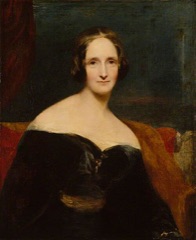
1797–1851 · 19th Century
English novelist, author of Frankenstein; or, The Modern Prometheus.
Books for: 9-12
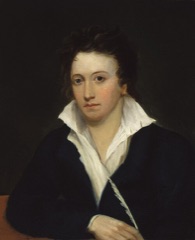
1792–1822 · 19th Century
English Romantic poet, author of Ozymandias, Ode to the West Wind and Prometheus Unbound.
Books for: 9-12
1721–1793 · 18th Century
Connecticut shoemaker-turned-lawyer who signed the Declaration and the Constitution and served on the committee that drafted the Declaration.
Books for: 6-8
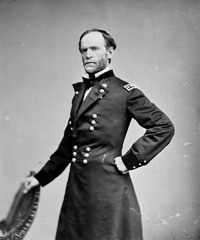
1820–1891 · 19th Century
Union general in the American Civil War who captured Atlanta and led the March to the Sea, later Commanding General of the U.S. Army.
Books for: 9-12
born 1948 · Postwar Contemporary
American writer of Laguna Pueblo descent, author of the novel Ceremony.
Books for: 9-12
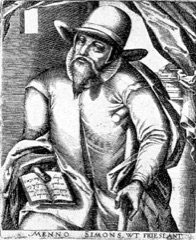
1496–1561 · Renaissance Early Modern
Dutch Catholic priest who became the leading Anabaptist teacher of the Low Countries; the Mennonites are named after him.
Books for: 9-12
1878–1968 · Early 20th Century
American novelist and reformer whose The Jungle (1906) exposed the meatpacking industry and helped bring federal food-safety laws.
Books for: 9-12
1908–2002 · Postwar Contemporary
Russian-born American abstract artist and author-illustrator of the picture book Caps for Sale.
Books for: K-2
1723–1790 · 18th Century
Scottish philosopher whose Wealth of Nations founded modern economics.
Books for: 9-12
c. 1719–1806 · 18th Century
Irish-born York, Pennsylvania, lawyer who was added to the state delegation in 1776 and signed the Declaration.
Books for: 6-8
1813–1858 · 19th Century
English physician who showed that cholera spreads through contaminated water and pioneered safe anaesthesia.
Books for: 9-12
c. 470–399 BC · Ancient
Athenian philosopher who taught by questioning and was put to death by his city.
Books for: 9-12
c. 630–560 BC · Ancient
Athenian lawgiver and poet whose reforms laid groundwork for Athenian democracy.
Books for: 9-12
1918–2008 · Postwar Contemporary
Russian novelist and historian of the Soviet labor camps, author of One Day in the Life of Ivan Denisovich and The Gulag Archipelago.
Books for: 9-12
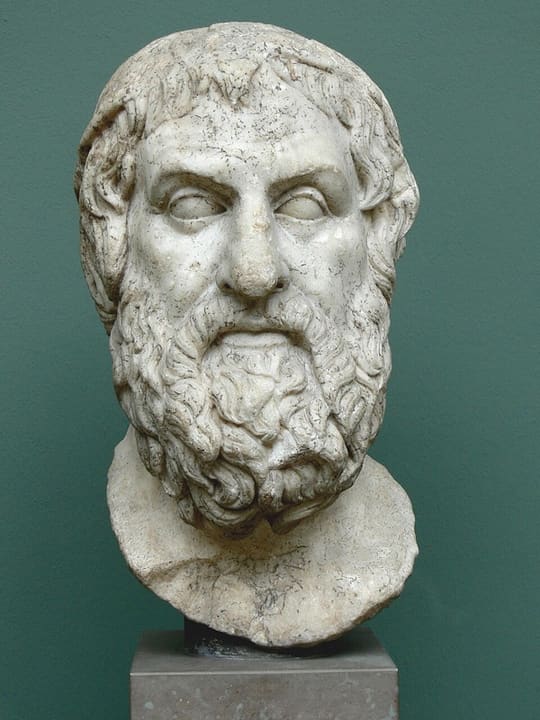
c. 497–406 BC · Ancient
Ancient Athenian playwright, author of Oedipus Rex and Antigone, one of the three great Greek writers of tragedy.
Books for: 9-12
1854–1932 · Early 20th Century
American bandmaster called the March King, composer of The Stars and Stripes Forever.
born 1930 · Postwar Contemporary
American economist and social theorist, senior fellow at the Hoover Institution and author of Basic Economics.
Books for: 9-12
1908–1994 · Postwar Contemporary
American author of children's historical fiction, twice winner of the Newbery Medal, for The Witch of Blackbird Pond and The Bronze Bow.
Books for: 3-5, 6-8
1874–1955 · Early 20th Century
Scottish journalist, poet and folklorist who popularized Maya and Celtic mythology.
Books for: 9-12
c. 1552–1599 · Renaissance Early Modern
English poet of the Elizabethan age, author of The Faerie Queene and The Shepheardes Calender.
Books for: 9-12
1632–1677 · Renaissance Early Modern
Dutch philosopher of Portuguese Jewish descent, author of the Ethics and the Theological-Political Treatise.
Books for: 9-12
1808–1887 · 19th Century
American lawyer, abolitionist and political philosopher, author of No Treason.
Books for: 9-12
1834–1892 · 19th Century
English Baptist preacher of Victorian London, known as the Prince of Preachers.
Books for: 9-12
1827–1901 · 19th Century
Swiss author of Heidi, the story of an orphan girl who lives with her grandfather in the Alps.
Books for: 3-5
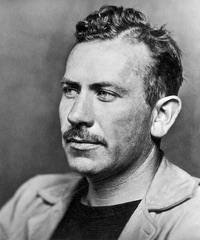
1902–1968 · Early 20th Century
American novelist of California, author of The Grapes of Wrath and Of Mice and Men, and Nobel laureate.
Books for: 6-8, 9-12
1783–1842 · 19th Century
French novelist (Marie-Henri Beyle), author of The Red and the Black and The Charterhouse of Parma.
Books for: 9-12
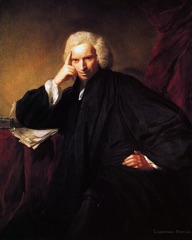
1713–1768 · 18th Century
Anglo-Irish novelist and clergyman, author of Tristram Shandy and A Sentimental Journey.
Books for: 9-12
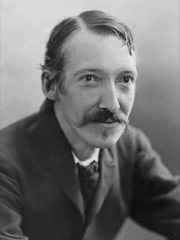
1850–1894 · 19th Century
Scottish novelist and poet, author of Treasure Island, Kidnapped and Strange Case of Dr Jekyll and Mr Hyde.
Books for: K-2, 3-5, 6-8, 9-12
1730–1781 · 18th Century
New Jersey lawyer who signed the Declaration, was captured by Loyalists, and died in broken health in 1781.
Books for: 6-8
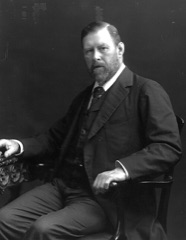
1847–1912 · 19th Century
Irish novelist and theater manager, author of Dracula.
Books for: 9-12
c. 1743–1787 · 18th Century
Moderate Maryland lawyer who signed the Declaration, helped frame the Articles of Confederation, and died in 1787.
Books for: 6-8
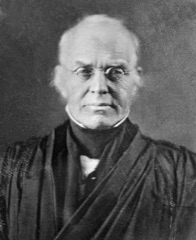
1779–1845 · 19th Century
Supreme Court justice and Harvard professor whose Commentaries on the Constitution shaped American law.
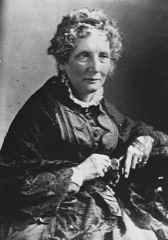
1811–1896 · 19th Century
American author and abolitionist whose novel Uncle Tom's Cabin turned many readers against slavery.
Books for: 9-12
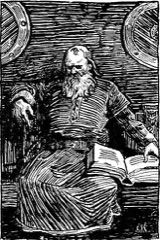
1179–1241 · Medieval
Icelandic historian, poet and chieftain, author of the Prose Edda and Heimskringla.
Books for: 9-12
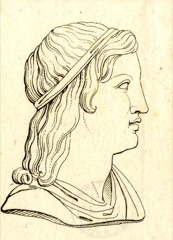
c. 69–after 122 · Ancient
Roman writer of The Twelve Caesars, biographies of Julius Caesar and the first eleven emperors.
Books for: 9-12
1494–1566 · Renaissance Early Modern
Ottoman sultan at the height of the empire's power, known to Turks as the Lawgiver.
1920–1992 · Postwar Contemporary
English author of historical novels for young readers, including The Eagle of the Ninth and Black Ships Before Troy.
Books for: 3-5, 6-8
1667–1745 · 18th Century
Anglo-Irish satirist and clergyman, author of Gulliver's Travels and A Modest Proposal.
Books for: 9-12
1624–1689 · Renaissance Early Modern
English physician called "the English Hippocrates" for describing diseases from careful bedside observation.
Books for: 9-12
c. 56–120 · Ancient
Roman historian and senator, author of the Annals, the Histories, Agricola and Germania.
Books for: 9-12
1861–1941 · Early 20th Century
Bengali poet, composer and educator; author of Gitanjali and the first non-European Nobel laureate in literature (1913).
Books for: 9-12
1880–1962 · Early 20th Century
English economic historian and social critic, author of Religion and the Rise of Capitalism.
Books for: 9-12
c. 1716–1781 · 18th Century
Irish-born Pennsylvania ironmaster, once an indentured servant, who was appointed to Congress in 1776 and signed the Declaration.
Books for: 6-8
1840–1893 · 19th Century
Russian composer of The Nutcracker, Swan Lake and the 1812 Overture.
1768–1813 · 19th Century
Shawnee leader who tried to unite the tribes against American expansion.
1892–1983 · Postwar Contemporary
Dutch watchmaker whose family hid Jews from the Nazis; author of The Hiding Place.
Books for: 6-8
1809–1892 · 19th Century
English poet, Poet Laureate for over forty years, author of In Memoriam, Ulysses and The Charge of the Light Brigade.
Books for: 9-12
1515–1582 · Renaissance Early Modern
Spanish Carmelite nun, reformer and writer on prayer.
Books for: 9-12
1856–1943 · 19th Century
Serbian-American inventor of the alternating-current motor and power system.
Books for: 3-5
c. 371–287 BC · Ancient
Greek philosopher who succeeded Aristotle as head of the Lyceum, often called the father of botany.
Books for: 9-12
1873–1897 · Early 20th Century
French Carmelite nun, author of the autobiography Story of a Soul, canonized as a saint in 1925.
Books for: 6-8
c. 1380–1471 · Medieval
German-born canon of the Devotio Moderna, traditionally credited with The Imitation of Christ, the most widely read Christian devotional book.
Books for: 9-12
1914–1953 · Postwar Contemporary
Welsh lyric poet of Fern Hill and Do not go gentle; famous public reader.
Books for: 9-12
1817–1862 · 19th Century
American essayist and naturalist, author of Walden and Civil Disobedience.
Books for: 9-12
c. 1714–1803 · 18th Century
Irish-born New Hampshire physician who took his seat in Congress late in 1776 and still signed the Declaration.
Books for: 6-8
1770–1844 · 19th Century
Danish neoclassical sculptor, long based in Rome, who designed the Lion of Lucerne.
c. 460–395 BC · Ancient
Athenian general and historian, author of the History of the Peloponnesian War.
Books for: 9-12
d. 1622 · Renaissance Early Modern
Patuxet interpreter and guide who had been taken to Spain in 1614 and later lived among the Plymouth colonists until 1622.
Books for: 9-12
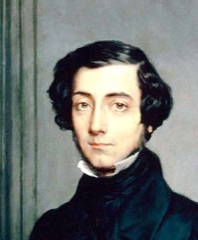
1805–1859 · 19th Century
French political thinker and statesman, author of Democracy in America and The Old Regime and the Revolution.
Books for: 9-12
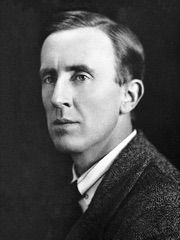
1892–1973 · Early 20th Century
English writer and Oxford professor of Old English, author of The Hobbit and The Lord of the Rings.
Books for: 3-5, 6-8, 9-12
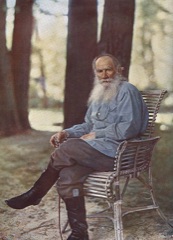
1828–1910 · 19th Century
Russian novelist, author of War and Peace and Anna Karenina, and later a religious and moral thinker.
Books for: 9-12
1894–1967 · Early 20th Century
Poet and writer whose Cane (1923), a blend of poems, sketches and drama, is a landmark of the Harlem Renaissance.
Books for: 9-12
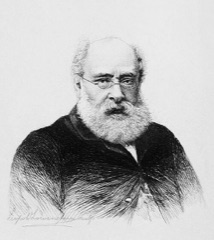
1815–1882 · 19th Century
English Victorian novelist, author of the Barsetshire novels and The Way We Live Now, who worked for decades in the Post Office.
Books for: 9-12
c. 1797–1883 · 19th Century
Formerly enslaved preacher who spoke for the abolition of slavery and for women's rights, best remembered for her 1851 speech at Akron.
Books for: 6-8
c. 1822–1913 · 19th Century
Escaped slavery and led others to freedom on the Underground Railroad; Union scout and spy.
Books for: K-2, 3-5
1784–1857 · 19th Century
English Quaker reformer who made known the humane "moral treatment" of mental illness practised at the York Retreat.
Books for: 9-12
1818–1883 · 19th Century
Russian novelist and story writer, author of A Sportsman's Sketches and Fathers and Sons.
Books for: 9-12
1912–1954 · Early 20th Century
English mathematician who founded computer science and helped break German codes in WWII.
Books for: 9-12
1835–1910 · 19th Century
American humorist and novelist, author of The Adventures of Tom Sawyer and Adventures of Huckleberry Finn.
Books for: 3-5, 6-8, 9-12
c. 1494–1536 · Renaissance Early Modern
English scholar who translated the Bible into English from Hebrew and Greek, and was executed for it.
traditionally 544–496 BC · Ancient
Ancient Chinese general and strategist traditionally credited with The Art of War.
Books for: 9-12
1882–1949 · Early 20th Century
Norwegian novelist and Nobel laureate (1928), author of the medieval trilogy Kristin Lavransdatter.
Books for: 9-12
1534–1583 · Renaissance Early Modern
German Reformed theologian, a student of Melanchthon and the principal author of the Heidelberg Catechism (1563).
Books for: 9-12
1095–1188 · Medieval
Syrian Arab poet, knight and diplomat of the Crusades era, author of the memoir Kitab al-I'tibar (Book of Contemplation).
Books for: 9-12
date unknown (legendary) · Ancient
Legendary sage honored in India as the "first poet," named by tradition as the author of the Sanskrit epic the Ramayana.
Books for: 9-12
1794–1877 · 19th Century
Shipping and railroad magnate, the Commodore, who built the New York Central system.
Books for: 9-12
1511–1574 · Renaissance Early Modern
Italian painter and architect, author of the Lives of the Most Excellent Painters, Sculptors and Architects, a founding work of art history.
Books for: 9-12
1857–1929 · 19th Century
American economist and sociologist who coined the phrase "conspicuous consumption" in The Theory of the Leisure Class (1899).
Books for: 9-12
1632–1675 · Renaissance Early Modern
Dutch painter of quiet interior scenes filled with soft daylight, including Girl with a Pearl Earring.
1828–1905 · 19th Century
French novelist whose adventure stories, including Twenty Thousand Leagues Under the Sea, helped found science fiction.
Books for: 6-8
1514–1564 · Renaissance Early Modern
Flemish anatomist whose Fabric of the Human Body founded modern anatomy.
Books for: 9-12
1819–1901 · 19th Century
Queen of the United Kingdom for nearly 64 years, giving her name to the Victorian age.
Books for: 3-5
c. 1150–c. 1213 · Medieval
French knight and marshal of Champagne who took part in and chronicled the Fourth Crusade and the conquest of Constantinople.
Books for: 9-12
c. 70–19 BC · Ancient
Roman poet, author of the Aeneid, the Eclogues and the Georgics.
Books for: 9-12
c. 1483–1546 · Renaissance Early Modern
Spanish Dominican theologian at Salamanca who argued that the peoples of the Americas had true rights, a founder of international law.
Books for: 9-12
active 1st century BC · Ancient
Roman architect and engineer, author of De Architectura, the only complete architectural treatise surviving from antiquity.
Books for: 9-12
1745–1827 · 18th Century
Italian physicist who invented the electric battery.
1694–1778 · 18th Century
French Enlightenment writer, historian and satirist, author of Candide and campaigner for religious toleration.
Books for: 9-12
1922–2007 · Postwar Contemporary
American novelist and satirist who survived the 1945 firebombing of Dresden as a prisoner of war and wrote about it in Slaughterhouse-Five.
Books for: 9-12
c. 1230–1298 · Medieval
Italian Dominican friar and archbishop of Genoa who compiled the Golden Legend, the most popular collection of saints' lives of the Middle Ages.
Books for: 9-12
1867–1919 · Early 20th Century
Entrepreneur born to formerly enslaved parents who built a hair-care company and became one of America's first self-made women millionaires.
Books for: 9-12
1717–1797 · 18th Century
English writer, collector and politician; author of The Castle of Otranto, the first Gothic novel, and builder of Strawberry Hill.
Books for: 9-12
c. 1741–1804 · 18th Century
Virginia-born Georgia lawyer who signed the Declaration, was wounded and captured at Savannah, and later served as governor and chief justice.
Books for: 6-8
c. 1593–1683 · Renaissance Early Modern
English writer, author of The Compleat Angler and short lives of John Donne, George Herbert and other churchmen.
Books for: 9-12
1890–1979 · Early 20th Century
American teacher and author of The Boxcar Children, about four orphaned siblings who make a home in an old railroad boxcar.
Books for: K-2
1905–1989 · Postwar Contemporary
American poet, novelist and critic, author of All the King's Men and co-author of Understanding Poetry; first US Poet Laureate.
Books for: 9-12
1856–1915 · 19th Century
Educator born into slavery who built the Tuskegee Institute.
Books for: 3-5, 6-8, 9-12
1732–1799 · 18th Century
Commander of the Continental Army and first President of the United States.
Books for: K-2, 3-5, 6-8, 9-12
1736–1819 · 18th Century
Scottish engineer whose improved steam engine powered the Industrial Revolution.
1674–1748 · 18th Century
English Congregationalist minister and hymn writer, often called the father of English hymnody, author of Joy to the World.
Books for: 9-12
1910–1963 · Postwar Contemporary
American scholar of rhetoric and conservative thinker, author of Ideas Have Consequences.
Books for: 9-12
1864–1920 · Early 20th Century
German sociologist and political economist, author of The Protestant Ethic and the Spirit of Capitalism.
Books for: 9-12
1782–1852 · 19th Century
American lawyer, senator and secretary of state, one of the greatest orators in the United States Senate.
Books for: 9-12
1730–1795 · 18th Century
English potter who industrialized pottery-making and campaigned against the slave trade.
1769–1852 · 19th Century
British general who defeated Napoleon at Waterloo and later served as prime minister.
1866–1946 · Early 20th Century
English writer of early science fiction, including The Time Machine, The Invisible Man and The War of the Worlds.
Books for: 6-8, 9-12
1707–1788 · 18th Century
Anglican clergyman and co-founder of Methodism with his brother John; wrote some six thousand hymns, including Hark! the Herald Angels Sing.
Books for: 9-12
1703–1791 · 18th Century
Anglican preacher who founded the Methodist movement.
Books for: 9-12
1862–1937 · Early 20th Century
American novelist of New York society, author of Ethan Frome and The Age of Innocence, and the first woman to win the Pulitzer Prize for Fiction.
Books for: 9-12
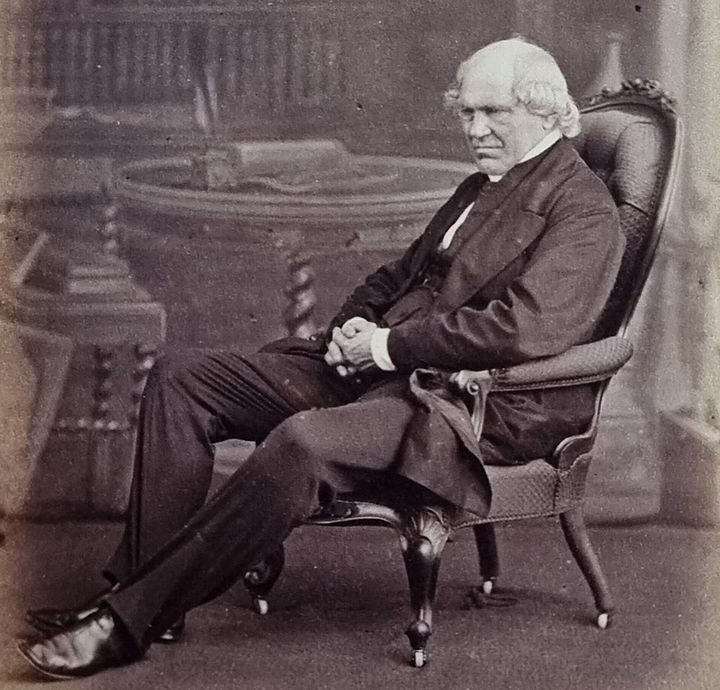
1794–1866 · 19th Century
English polymath and Master of Trinity College, Cambridge, who coined the word "scientist".
Books for: 9-12
1730–1785 · 18th Century
New Hampshire merchant and signer who later served as a brigadier general in the Saratoga campaign.
Books for: 6-8
1899–1985 · Early 20th Century
American essayist and New Yorker writer, author of Charlotte's Web and Stuart Little and coauthor of The Elements of Style.
Books for: 3-5
1720–1793 · 18th Century
English clergyman and naturalist, author of The Natural History of Selborne.
Books for: 6-8
1906–1964 · Early 20th Century
English author of The Sword in the Stone and The Once and Future King, retellings of the legend of King Arthur.
Books for: 6-8
1714–1770 · 18th Century
English evangelist whose open-air preaching in Britain and America helped spark the Great Awakening.
Books for: 9-12
1861–1947 · 19th Century
English mathematician and philosopher, coauthor with Bertrand Russell of Principia Mathematica and author of Science and the Modern World.
Books for: 9-12
1819–1892 · 19th Century
American poet, author of Leaves of Grass, often called the father of free verse.
Books for: 6-8, 9-12
1765–1825 · 18th Century
American inventor of the cotton gin and a promoter of interchangeable parts.
1950–2026 · Postwar Contemporary
British historian of early medieval Europe and Chichele Professor of Medieval History at Oxford, author of The Inheritance of Rome.
Books for: 9-12
1894–1964 · Early 20th Century
American mathematician who founded cybernetics, the study of control and communication in machines and living things.
Books for: 9-12
1856–1923 · 19th Century
American educator and author of Rebecca of Sunnybrook Farm, who opened one of the first free kindergartens in California.
Books for: 3-5
1805–1873 · 19th Century
English bishop of Oxford and Winchester, famous orator, remembered for his 1860 debate with Thomas Henry Huxley about evolution.
Books for: 9-12
1759–1833 · 19th Century
British member of Parliament who led the campaign to abolish the slave trade.
Books for: 9-12
1854–1900 · 19th Century
Irish playwright, poet and wit, author of The Picture of Dorian Gray and The Importance of Being Earnest.
Books for: 3-5, 9-12
1867–1957 · Early 20th Century
American author of the Little House books, based on her pioneer childhood.
Books for: K-2, 3-5
1897–1975 · Early 20th Century
American playwright and novelist, author of Our Town and The Bridge of San Luis Rey, and winner of three Pulitzer Prizes.
Books for: 9-12
c. 1028–1087 · Medieval
Duke of Normandy who conquered England in 1066 and ordered the Domesday Book.
Books for: 9-12
1881–1944 · Early 20th Century
English-American author of The Velveteen Rabbit.
Books for: K-2
1731–1811 · 18th Century
Connecticut merchant who signed the Declaration after taking his seat in Congress in the summer of 1776.
Books for: 6-8
1742–1798 · 18th Century
Scottish-born legal thinker who signed the Declaration and the Constitution and became a justice of the Supreme Court.
Books for: 6-8
1595–1655 · Renaissance Early Modern
Mayflower passenger, Plymouth governor and diplomat, and author of Good Newes from New England.
Books for: 9-12
1588–1649 · Renaissance Early Modern
English Puritan lawyer and longtime governor of the Massachusetts Bay Colony.
Books for: 9-12
1723–1794 · 18th Century
Scottish Presbyterian minister, president of the College of New Jersey, and the only active clergyman to sign the Declaration.
Books for: 6-8
1889–1951 · Early 20th Century
Austrian-British philosopher of logic and language, author of the Tractatus Logico-Philosophicus and Philosophical Investigations.
Books for: 9-12
1726–1797 · 18th Century
Connecticut lawyer and militia commander who signed the Declaration and later became governor of the state.
Books for: 6-8
c. 1170–c. 1220 · Medieval
Medieval German knight-poet, author of the Grail romance Parzival.
Books for: 9-12
1759–1797 · 18th Century
English writer and philosopher, author of A Vindication of the Rights of Woman.
Books for: 9-12
born 1961 · Postwar Contemporary
British historian of the Roman Empire, author of Rome: An Empire's Story.
Books for: 9-12
1882–1941 · Early 20th Century
English novelist and essayist, author of Mrs Dalloway, To the Lighthouse and A Room of One's Own.
Books for: 9-12
1720–1772 · 18th Century
American Quaker preacher and journal writer who campaigned against slavery.
Books for: 9-12
1770–1850 · 19th Century
English Romantic poet of the Lake District who, with Coleridge, published Lyrical Ballads; Poet Laureate from 1843.
Books for: 6-8, 9-12
1632–1723 · Renaissance Early Modern
Architect of St. Paul's Cathedral who rebuilt London after the Great Fire.
1887–1971 · Early 20th Century
American illustrator whose pictures for The Real Mother Goose (1916) became a classic American picture book of nursery rhymes.
Books for: K-2
1867–1959 · Postwar Contemporary
American architect of Fallingwater and the Guggenheim Museum, creator of the Prairie style.
Books for: 3-5
Wilbur 1867–1912; Orville 1871–1948 · Early 20th Century
American brothers who built and flew the first successful powered airplane.
Books for: 3-5, 6-8, 9-12
c. 1328–1384 · Medieval
Oxford theologian whose followers made the first complete English Bible.
1743–1818 · 18th Century
Swiss pastor whose stories for his sons became The Swiss Family Robinson.
Books for: 6-8
c. 1726–1806 · 18th Century
Virginia lawyer and first American law professor, teacher of Jefferson, who signed the Declaration and later turned against slavery.
Books for: 6-8
c. 430–354 BC · Ancient
Athenian soldier, historian and student of Socrates who led the Ten Thousand home from Persia and told the story in his Anabasis.
Books for: 9-12
1905–2001 · Early 20th Century
American author of Amos Fortune, Free Man, the Newbery-winning life of an African-born man who bought his freedom in New England.
Books for: 6-8
1865–1939 · Early 20th Century
Irish poet and dramatist, leader of the Irish Literary Revival and winner of the Nobel Prize in Literature.
Books for: 3-5, 9-12
c. 936–1013 · Medieval
Surgeon of Muslim Spain whose illustrated surgical treatise, the last book of his encyclopedia al-Tasrif, was used in European schools for centuries.
Books for: 9-12
1884–1937 · Early 20th Century
Russian writer and naval engineer whose novel We, banned in the Soviet Union, became a model for later dystopian fiction.
Books for: 9-12
1371–1433 · Medieval
Chinese admiral who led seven great treasure fleet voyages across the Indian Ocean.
1881–1942 · Early 20th Century
Austrian writer of novellas, biographies and the memoir The World of Yesterday, among the most translated authors of the 1920s and 1930s.
Books for: 9-12
1484–1531 · Renaissance Early Modern
Leader of the Reformation in Zürich, Switzerland.
Data: /api/lives.json